Key Factors to Compare When Choosing EV Auto Insurance

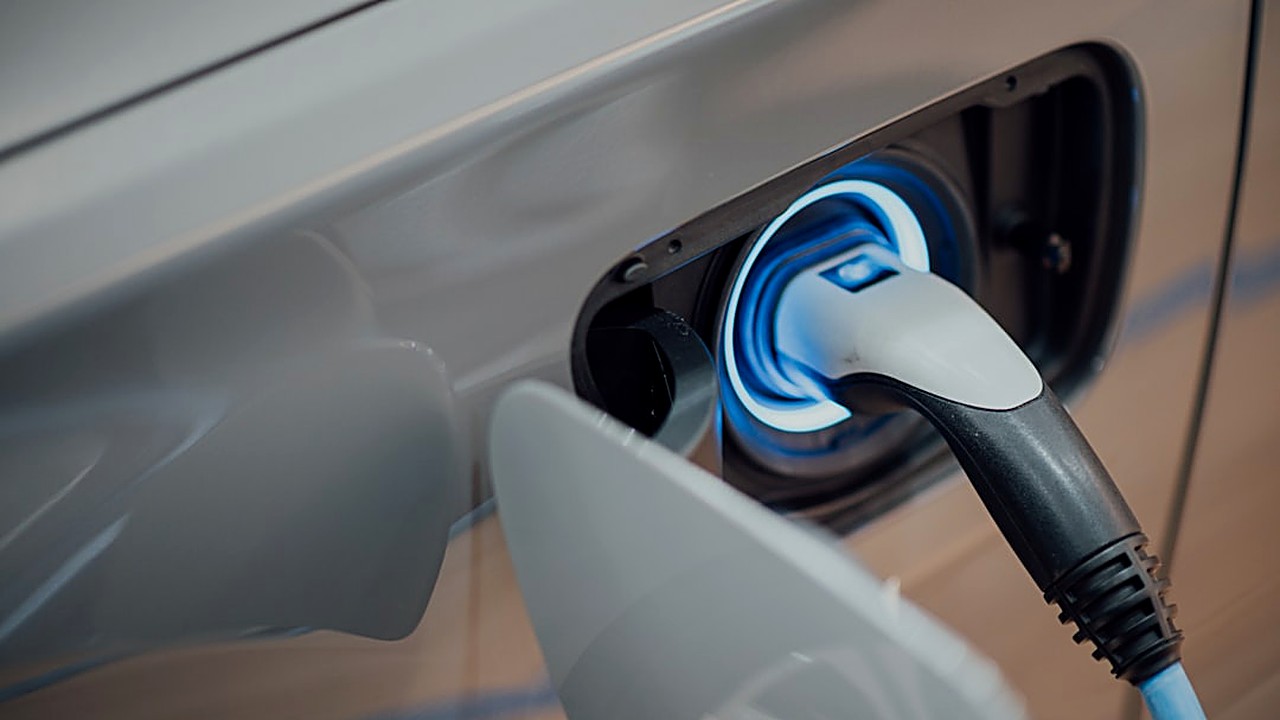
Quick answer: Compare EV insurance by checking battery coverage limits, repair costs for specialized parts, charging equipment protection, and available discounts. Verify state-specific requirements and insurer experience with electric vehicles.↗ Share on X
Why EV insurance isn’t the same as gas car coverage
 9 Insurance Deductible Mistakes That Cost You at Claim Time →
 Should You Raise Your Deductible? Do the Math First →
 Do Roommates Make Renters Insurance Cheaper or Riskier? →
Electric vehicles cost more to repair after a crash. Their batteries, motors, and high-voltage systems require technicians trained in high-voltage safety. A minor fender-bender on a gas car might cost $2,000 to fix. On an EV, that same damage could hit $10,000 or more. Insurance companies know this. Some adjust premiums upward to account for the risk.
I learned this the hard way after my family switched from a gas SUV to a used EV. The first quote I got was 30% higher than our previous policy. The insurer flagged the battery replacement cost as the main driver. That’s why comparing policies isn’t optional—it’s essential.
Clear money tips in your inbox. No hype.
Battery coverage limits: the make-or-break detail
Affiliate link. We may earn a commission on purchases, at no extra cost to you.
This content is informational and is not investment advice or financial consulting.
EV batteries degrade over time. Most policies treat battery replacement as a total loss only if it’s damaged beyond repair. But coverage varies widely. Some insurers cap payouts at the battery’s actual cash value. Others offer replacement with a new battery of the same capacity.
For example, a 2022 Tesla Model 3 battery replacement can cost $16,000 to $20,000. If your policy only covers $12,000, you’ll pay the difference out of pocket. Always ask: Does the policy replace the battery with a new one? Is there a depreciation schedule? What’s the maximum payout per claim?
Repair costs for specialized EV parts
 Raising Your Deductible: When It Saves and When It Hurts →
 Should you raise your deductible? Run this math first →
 How to Compare Car Insurance Quotes Without Spam Calls →
EVs have fewer moving parts than gas cars, but the parts that do exist are expensive. A single Tesla door panel can cost $1,500. A front bumper with sensors? $3,500. Not all repair shops can fix these. Many insurers require you to use certified EV repair centers, which charge more.
I compared quotes from three insurers after my EV’s side mirror got cracked. One policy included a $1,200 deductible but limited me to a single repair shop 50 miles away. Another had a $750 deductible but let me choose any certified shop. The difference? $300 per year in premiums. Over five years, that’s $1,500 saved—enough to offset the higher deductible.
Charging equipment protection
Home charging stations can cost $500 to $2,000. Many EV owners overlook this when comparing policies. Some insurers bundle charging equipment under the auto policy. Others treat it as a separate homeowners or renters claim.
For instance, if lightning fries your Level 2 charger, a bundled policy might cover it under comprehensive auto coverage. A separate home policy might require a separate deductible. Check the fine print. Ask if the insurer offers equipment breakdown coverage for the charger itself.
Available EV-specific discounts
Insurers love EVs because they’re safer and cheaper to maintain long-term. Many offer discounts to reflect that. Common ones include:
- Low mileage discounts for EVs driven under 10,000 miles per year.
- Safety feature discounts for automatic emergency braking, lane-keep assist, and blind-spot monitoring.
- Charging network discounts from insurers partnered with EV charging companies like ChargePoint or Tesla Superchargers.
- Green vehicle discounts for owning an EV, hybrid, or plug-in hybrid.
I saved $180 per year by switching to an insurer that offered a green vehicle discount. The catch? I had to provide proof of my EV’s make, model, and year. Always ask for a list of available discounts before you commit.
State requirements and local repair networks
EV insurance rules vary by state. California, for example, requires insurers to offer at least $5,000 in battery coverage for new EVs. Texas has no such mandate. Some states also require insurers to certify repair shops for high-voltage systems.
Local repair networks matter too. In rural areas, certified EV repair shops may be hours away. In cities, competition drives down prices. When comparing policies, check the insurer’s network of approved repair facilities. Ask if they offer mobile repair or towing to the nearest certified shop.
Insurer experience with electric vehicles
Not all insurers understand EVs equally. Some treat them like gas cars. Others have dedicated EV underwriting teams. The difference shows in claim approvals and repair timelines.
For example, one insurer I considered denied a claim for a damaged charging port because they classified it as "wear and tear." Another approved the same claim under comprehensive coverage. The second insurer had an EV specialist on staff who recognized the issue as a covered peril.
Ask potential insurers: How many EV claims do you process annually? Do you have certified EV repair partners? What’s your average claim resolution time for EV damage?
Deductible choices and out-of-pocket costs
EV repairs are expensive. A $1,000 deductible might sound reasonable—until you face a $12,000 battery replacement. Many insurers offer higher deductibles for EVs to offset the risk. Others let you choose a lower deductible for an extra premium.
Consider your budget. If you can’t afford a $2,500 deductible, a policy with a $500 deductible might be worth the higher premium. But if you’re comfortable with risk, a higher deductible can save you hundreds per year.
I tested this by running quotes for a $1,000 and $2,500 deductible. The difference was $450 per year in premiums. Over five years, that’s $2,250 saved—enough to cover most minor repairs out of pocket.
Gap insurance for leased or financed EVs
EV prices are dropping, but they’re still expensive. If you lease or finance your car, gap insurance covers the difference between what you owe and the car’s depreciated value after a total loss.
For example, if you owe $35,000 on a leased EV worth $28,000 after an accident, gap insurance covers the $7,000 difference. Some insurers bundle gap coverage into their auto policies. Others sell it separately. Always check if your policy includes it—or if you need to add it.
Roadside assistance tailored to EVs
EVs can leave you stranded if you run out of charge. Standard roadside assistance might not cover charging truck dispatch or battery boosts. Some insurers offer EV-specific roadside packages that include:
- Mobile charging to get you back on the road.
- Battery jump-starts for 12V systems.
- Towing to the nearest charging station if the battery is dead.
I once ran out of charge on a road trip. My insurer’s standard roadside assistance sent a tow truck to the nearest gas station—30 miles away. An EV-specific policy would have dispatched a charging truck instead. Always verify what’s included.
How to compare policies like a pro
1. Get at least three quotes. Use aggregator sites like Progressive, Geico, or State Farm. Then contact local agents for personalized rates.
2. Ask for EV-specific details. Don’t accept generic answers. Push for battery coverage limits, repair networks, and claim processes.
3. Check the fine print. Look for exclusions on battery degradation, charging equipment, and high-voltage repairs.
4. Compare discounts. Ask for a list of all available discounts. Some insurers hide them in the policy details.
5. Read customer reviews. Focus on EV owners’ experiences. Look for patterns in claim denials or repair delays.
When I compared policies for my EV, I spent two weeks researching. The effort paid off. I found a policy with better battery coverage, a lower deductible, and an EV-specific roadside package—all for less than my previous insurer charged.
Common mistakes to avoid
- Assuming all EVs are treated the same. A used Nissan Leaf has different risks than a new Tesla Model Y. Always disclose your exact make, model, and year.
- Ignoring charging equipment. Many policies exclude home charging stations unless you add equipment breakdown coverage.
- Overlooking state rules. Some states require specific battery coverage limits or repair certifications.
- Choosing the cheapest policy. The lowest premium might come with poor EV claim handling or limited repair networks.
- Not reviewing annually. EV technology changes fast. What worked last year might not be optimal today.
Final checklist before you buy
- [ ] Battery coverage limits match your EV’s replacement cost.
- [ ] Repair network includes certified EV technicians near you.
- [ ] Charging equipment is covered under auto or home policy.
- [ ] All available discounts are applied.
- [ ] State-specific requirements are met.
- [ ] Roadside assistance includes EV charging support.
- [ ] Deductible aligns with your budget and risk tolerance.
- [ ] Gap insurance is included if you lease or finance.
NOT a licensed insurance broker. NEVER recommends specific products. Consult a licensed broker for actual decisions.
Frequently asked questions
Does my EV insurance cover battery degradation over time?
Most standard auto policies cover battery damage from accidents or vandalism, but not normal wear and tear or degradation from regular use. Some insurers offer optional battery protection plans that cover gradual capacity loss, but these are rare and often expensive. Always ask your insurer to clarify what’s included in your policy.
Why are EV repair costs so much higher than gas cars?
EVs have fewer moving parts, but the parts that do exist are complex and expensive. High-voltage systems, battery packs, and specialized sensors require certified technicians and rare parts. For example, a Tesla door panel can cost $1,500 compared to $400 for a gas car. Insurers adjust premiums to reflect this risk.
Are there discounts for owning an electric vehicle?
Yes. Many insurers offer discounts for EVs due to their safety features and lower long-term maintenance costs. Common discounts include green vehicle credits, low mileage rewards, and safety feature bundles. Some insurers partner with charging networks to offer additional savings. Always ask for a full list of available discounts.
What should I do if my insurer denies an EV-related claim?
Review the denial letter carefully. Check if the damage is classified as wear and tear, a pre-existing condition, or an excluded peril. If you disagree, file an appeal with supporting documentation like repair estimates or expert opinions. You can also contact your state’s insurance department for assistance. If the denial stands, consider switching insurers for better EV claim handling.
Do I need separate insurance for my home EV charger?
It depends on your policy. Some auto insurers bundle home charging equipment under comprehensive coverage. Others treat it as a separate homeowners or renters claim. If your auto policy doesn’t cover it, consider adding equipment breakdown coverage to your home policy. Always verify what’s included before assuming protection.
*NOT a licensed insurance broker. NEVER recommends specific products. Consult licensed broker for actual decisions.*
Sources
- NAIC — Consumer Insurance Resources — Guidance from the U.S. association of state insurance regulators.
- Insurance Information Institute — Industry data and explainers on how insurance works.
Clear money tips in your inbox. No hype.
Educational content, not personalized financial advice. Sources cited where applicable.