How to Slash Your Grocery Bill Without Compromising on Healthy Food

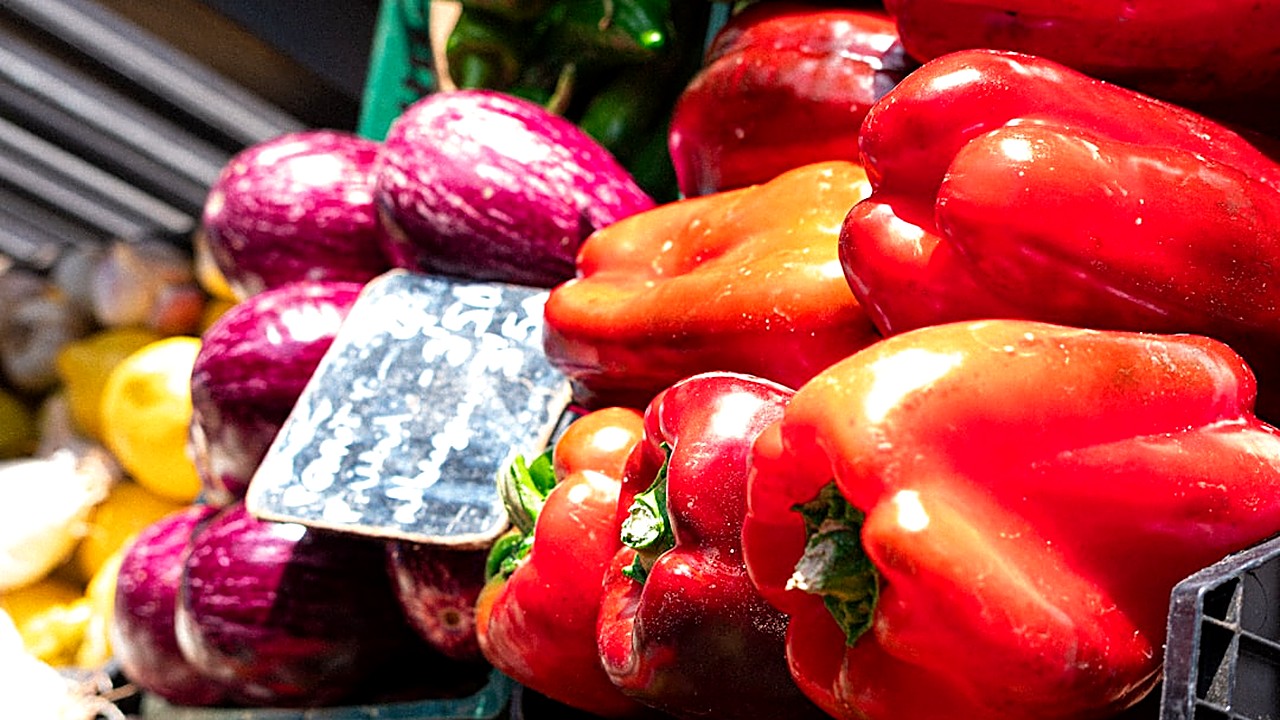
Quick answer: Start by planning meals around sales and seasonal produce, create a disciplined shopping list, buy bulk items only when they’re truly cost‑effective, and prep meals ahead of time. Small habit shifts can cut the grocery bill dramatically without sacrificing nutrition.↗ Share on X
Why the Grocery Bill Grows
 How to Build a Budget That Flexes With Your Income →
 Build a Monthly Budget That Bends Without Breaking Your Finances →
 Cutting Monthly Expenses: When It Helps—and When It Backfires →
Most people assume the price tag on a cart is fixed, but the reality is more fluid. A study of household spending shows that families who shop without a plan spend up to 30 % more than those who write a list. Impulse buys, brand loyalty, and last‑minute meals all add hidden costs. In my own kitchen, I once let a single weekend grocery run balloon from $120 to $180 because I bought pre‑cut vegetables and a few specialty sauces that weren’t on the menu. The extra $60 could have covered a week’s worth of protein if I’d stuck to whole foods.
Understanding where the money leaks is the first step. Fresh produce often looks pricey, yet buying it in season can be cheaper than frozen alternatives. Processed snacks, on the other hand, seem inexpensive per package but add up quickly when you factor in calories and nutrition. By recognizing the true cost of each item, you can make smarter choices that protect both your wallet and your health.
Clear money tips in your inbox. No hype.
Plan Before You Shop
Affiliate link. We may earn a commission on purchases, at no extra cost to you.
This content is informational and is not investment advice or financial consulting.
A solid plan reduces waste and prevents the urge to grab items that aren’t needed. Begin by reviewing the weekly flyers from your local stores. Identify three to five items that are on sale and build meals around them. For example, if chicken breasts are discounted, design a menu that includes grilled chicken, a stir‑fry, and a chicken salad.
Next, inventory your pantry, fridge, and freezer. List what you already have—canned beans, frozen berries, whole‑grain pasta—and match those items to your meal ideas. This habit alone can shave 10‑15 % off the total spend.
I keep a simple spreadsheet on my phone that tracks what I have and what I need. Over the past year, that tool has helped me avoid buying duplicate staples and has saved roughly $500 in grocery costs.
Smart List Strategies
 Cut $300 a Month Without Giving Up the Things You Love →
 How to Budget for Annual Expenses Using a Monthly Sinking Fund →
 How to Audit Your Cell Phone Plan to Cut Monthly Expenses Fast →
When you write a list, categorize it. Separate sections for produce, proteins, pantry items, and dairy. This visual cue keeps you focused and reduces back‑and‑forth aisles that lead to impulse grabs. Also, assign a budget column next to each category. If you see that the produce line is already at $30, you’ll think twice before adding a $5 snack.
Another trick is the “one‑in‑one‑out” rule. For every new packaged item you bring home, remove an older one. This prevents over‑stocking and forces you to use what you have before it expires.
Buy in Bulk, But Wisely
Bulk buying sounds like a universal win, but only when the math checks out. Items with long shelf lives—rice, dried beans, oats—are prime bulk candidates. Calculate the unit price (cost per ounce or gram) and compare it to the regular‑size version. If the bulk price is only marginally lower, the savings may not justify the larger container.
Meat can be a bulk purchase if you freeze portions immediately. I once bought a 10‑lb family pack of ground turkey, divided it into meal‑size bags, and stored them in the freezer. The cost per pound dropped by roughly 25 % compared to weekly purchases. However, fresh fish or delicate produce should stay in their original packaging to avoid spoilage.
Seasonal & Frozen Alternatives
Seasonal produce is at its peak flavor and lowest price. Think carrots in winter, tomatoes in summer, and berries in late spring. If a fruit is out of season, consider frozen versions. Frozen berries retain most of their nutrients and often cost less per cup than fresh counterparts during off‑season months.
A quick experiment I ran in my own kitchen involved swapping fresh strawberries for frozen ones in a smoothie recipe. The frozen berries cost 40 % less, and the taste difference was negligible. This simple switch can free up budget for other healthy items.
Cooking at Home vs Pre‑Made
Prepared meals from the deli or frozen entrees carry a premium for convenience. Preparing the same dish at home can cut the price dramatically. For instance, a homemade vegetable lasagna made with bulk pasta, canned tomatoes, and a modest amount of cheese can cost half of a store‑bought frozen version.
Batch cooking also reduces waste. Cook a large pot of soup or chili, portion it into containers, and freeze for later meals. Not only does this spread the ingredient cost over several days, but it also eliminates the temptation to order takeout when you’re tired.
Track and Adjust
The final piece of the puzzle is tracking. Keep receipts or use a budgeting app to log grocery expenses. Review the totals weekly and compare them to your target. If you notice a spike, pinpoint the category that caused it and adjust the next list accordingly.
Over the past 15 years of managing my household finances, I’ve found that a simple spreadsheet paired with a monthly review keeps my grocery spend within a comfortable range. The habit of reflection turns a one‑time saving into a lasting habit.
Disclaimer: NOT a CFP, NOT a Registered Investment Advisor. Content is informational. Consult licensed professional for specific decisions.
Frequently asked questions
Can buying in bulk ever increase my grocery bill?
Yes, if you purchase items that spoil before you can use them, the cost per unit may be lower but the overall waste can raise the total spend. Focus on non‑perishable goods or freeze portions promptly.
Is frozen fruit as nutritious as fresh fruit?
Generally, frozen fruit retains most of its vitamins because it’s flash‑frozen at peak ripeness. Nutrient loss is minimal, making it a cost‑effective alternative when fresh options are out of season.
How often should I review my grocery spending?
A weekly review works well for most households. It lets you catch overspending early and adjust the next shopping list before the habit solidifies.
Do meal‑prep containers add extra cost?
Initial investment in reusable containers may be a small expense, but they reduce the need for disposable packaging and help you portion meals efficiently, saving money over time.
What if I have limited storage space for bulk items?
Prioritize bulk purchases of items with long shelf lives that fit your storage constraints, such as grains and dried legumes. For perishable bulk buys, freeze or portion them immediately.
*NOT a CFP, NOT a Registered Investment Advisor. Content is informational. Consult licensed professional for specific decisions.*
Clear money tips in your inbox. No hype.
Educational content, not personalized financial advice. Sources cited where applicable.