Stop Impulse Buying Without Feeling Deprived


Quick answer: Set a 30-day waiting period for non-essential purchases to curb impulse buying↗ Share on X
Introduction to Impulse Buying
 Creating a Budget for Recurring Medical Expenses Effectively →
 Creating a Zero-Based Budget for Variable Income →
 Effective Strategies for Reducing Monthly Expenses Forever →
Impulse buying can be a significant threat to our financial stability. It's easy to get caught up in the moment and make purchases that we might later regret. As someone who has managed their own household finances for over 15 years, I've learned a thing or two about how to stop impulse buying without feeling deprived or restricted.
One strategy that has worked for me is to set a 30-day waiting period for non-essential purchases. This allows me to determine if the item is something I truly need or if the desire to buy it was just an impulsive want. For example, I once saw a beautiful watch that I thought I had to have. But after waiting 30 days, I realized that I didn't need it and that the money could be better spent elsewhere.
Clear money tips in your inbox. No hype.
Understanding Your Spending Habits
Affiliate link. We may earn a commission on purchases, at no extra cost to you.
This content is informational and is not investment advice or financial consulting.
To stop impulse buying, you need to understand your spending habits. Take a close look at your budget and identify areas where you tend to overspend. Are you prone to buying expensive coffee every morning? Do you have a weakness for designer clothes? Once you're aware of your spending habits, you can start making changes to curb your impulse buying.
For instance, if you know that you tend to overspend on coffee, you could start making your own coffee at home. Not only will this save you money, but it will also help you avoid the temptation of buying expensive coffee on the go. Similarly, if you have a weakness for designer clothes, you could try shopping during sales or looking for more affordable alternatives.
Creating a Budget and Sticking to It
 How to Build an Emergency Fund When You Start with Nothing →
 Fastest way to pay off $10,000 credit card debt on a $40K salary →
 Does a Car Accident Raise Your Home Insurance Premium: What You Need to Know →
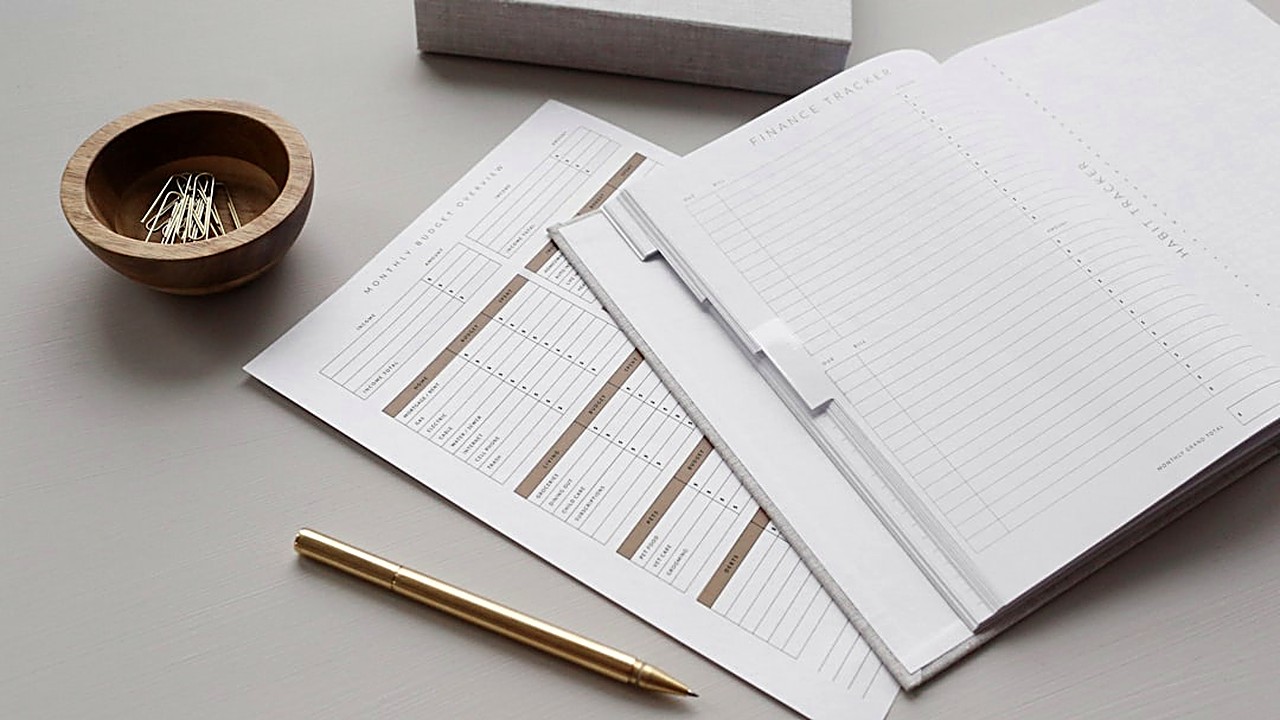
Creating a budget is essential to stopping impulse buying. By prioritizing your needs over your wants, you can ensure that you're not overspending on non-essential items. Start by categorizing your expenses into needs and wants. Needs include essential expenses like rent, utilities, and groceries, while wants include discretionary expenses like entertainment and hobbies.
Once you've categorized your expenses, you can start allocating your money accordingly. Make sure to prioritize your needs over your wants and avoid overspending on non-essential items. For example, if you have a limited budget for entertainment, you could try finding free or low-cost alternatives, such as going for a walk or having a game night with friends.
Avoiding Temptation
Another key strategy for stopping impulse buying is to avoid temptation. If you know that you tend to overspend in certain situations, such as when you're shopping with friends or browsing online, try to avoid those situations. For instance, you could try shopping alone or avoiding online shopping altogether.
You could also try using cash instead of credit cards. When you use cash, you can see the money leaving your wallet, which can help you feel more connected to your spending. Additionally, you could try using the 50/30/20 rule, where 50% of your income goes towards needs, 30% towards wants, and 20% towards savings and debt repayment.
Conclusion
Stopping impulse buying without feeling deprived or restricted requires discipline, patience, and self-awareness. By setting a 30-day waiting period, understanding your spending habits, creating a budget, and avoiding temptation, you can curb your impulse buying and achieve financial stability. Remember, it's all about making conscious spending decisions and prioritizing your needs over your wants.
As someone who has been managing their own finances for over 15 years, I can attest that these strategies work. However, everyone's financial situation is unique, and what works for me may not work for you. It's essential to find a approach that works for you and your financial goals.
Frequently asked questions
What is impulse buying?
Impulse buying refers to the act of buying something on the spur of the moment, without prior planning or consideration.
How can I stop impulse buying?
You can stop impulse buying by setting a 30-day waiting period, understanding your spending habits, creating a budget, and avoiding temptation.
What are some common triggers for impulse buying?
Common triggers for impulse buying include shopping with friends, browsing online, and seeing advertisements or promotions.
Can I still treat myself occasionally?
Yes, you can still treat yourself occasionally, but make sure it's within your budget and aligns with your financial goals.
Where can I get more information on personal finance?
You can find more information on personal finance from reputable sources such as financial advisors, books, and online resources.
*NOT a CFP, NOT a Registered Investment Advisor. Content is informational. Consult licensed professional for specific decisions.*
Clear money tips in your inbox. No hype.
Educational content, not personalized financial advice. Sources cited where applicable.