Setting Up Automatic Dollar-Cost Averaging for Index Funds

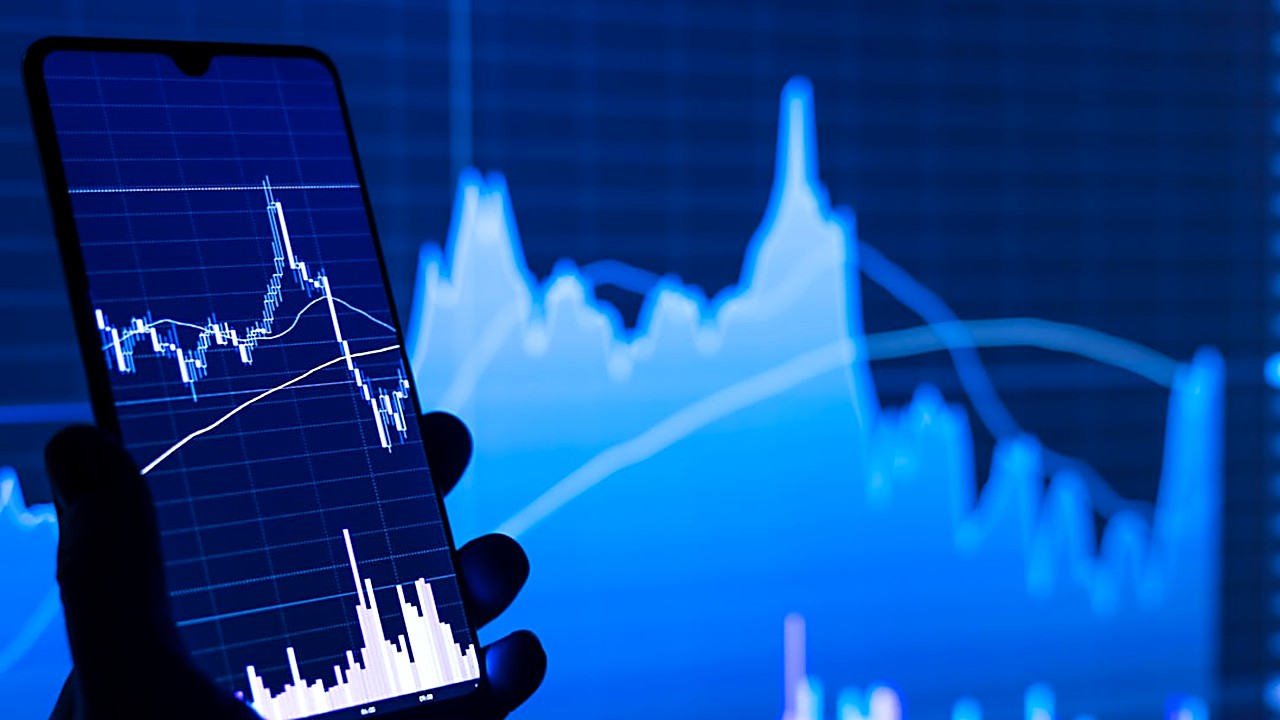
Quick answer: Set up automatic investments through your brokerage account to invest a fixed amount regularly.↗ Share on X
Introduction to Dollar-Cost Averaging
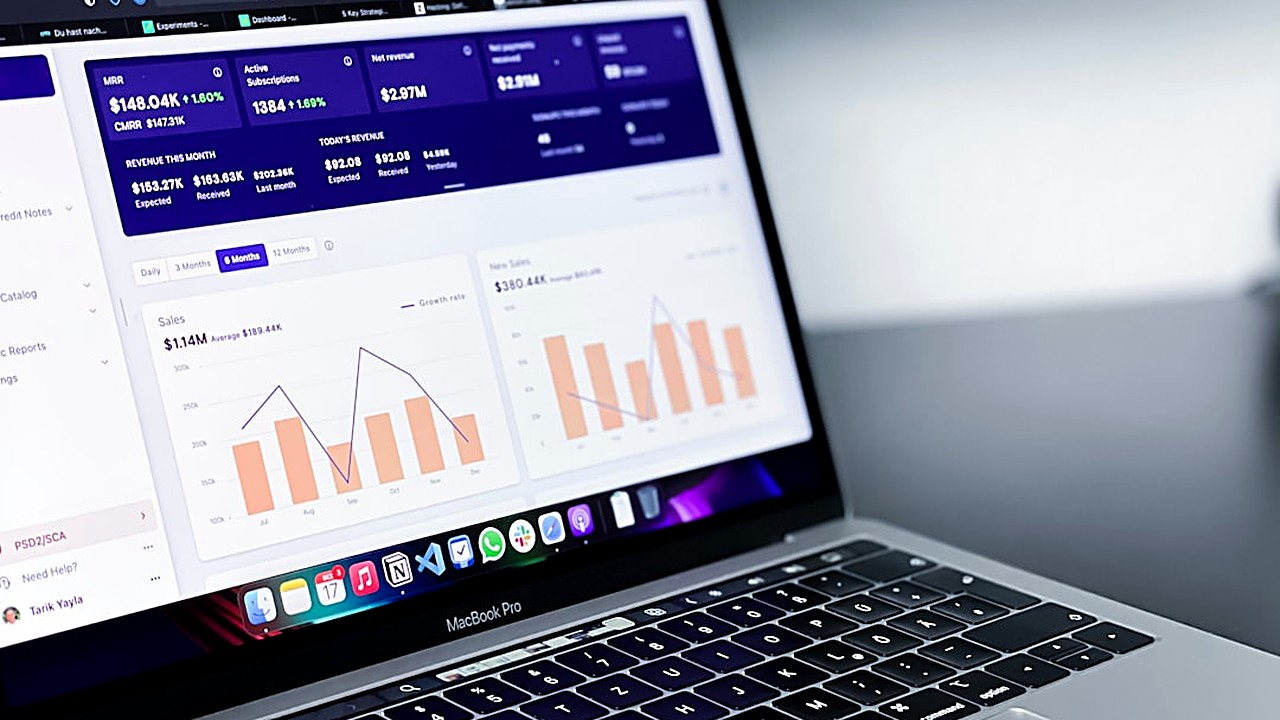 What Is a Robo-Advisor and Is It Right for Beginners? →
 How to Start Saving Money on a Tight Budget Today →
 Side Hustle Guide to Fund Your Emergency Savings →
Dollar-cost averaging is an investment strategy that involves investing a fixed amount of money at regular intervals, regardless of the market's performance. This approach can help reduce the impact of market volatility on your investments. As someone who has managed their own household finances for over 15 years, I've seen firsthand the benefits of consistent investing.
Clear money tips in your inbox. No hype.
How Dollar-Cost Averaging Works
Affiliate link. We may earn a commission on purchases, at no extra cost to you.
This content is informational and is not investment advice or financial consulting.
Dollar-cost averaging works by investing a fixed amount of money at regular intervals, such as monthly or quarterly. This means that you'll buy more shares when the market is low and fewer shares when the market is high. Over time, this can help you smooth out the ups and downs of the market and potentially lower your average cost per share.
For example, let's say you invest $100 per month in an index fund. If the market is high, your $100 might buy 5 shares. But if the market is low, your $100 might buy 10 shares. By investing a fixed amount regularly, you're taking advantage of lower prices when the market is down.
Setting Up Automatic Investments
 How to Choose the Right Index Fund for Your First Roth IRA →
 Understanding 401(k) Matching: How Beginners Can Maximize Returns →
 Key Factors That Can Lower Auto Insurance Rates for Safe Driving Records →
To set up automatic dollar-cost averaging, you'll need to open a brokerage account with a reputable online broker. From there, you can set up a systematic investment plan that invests a fixed amount of money at regular intervals. Many brokers offer this service, and it's often free or low-cost.
Benefits of Automatic Investing
Automatic investing can provide several benefits, including reduced emotional stress and increased discipline. By investing a fixed amount regularly, you'll be less likely to try to time the market or make emotional decisions based on short-term market fluctuations. Additionally, automatic investing can help you take advantage of the power of compounding, which can help your investments grow over time.
Choosing the Right Index Fund
When choosing an index fund, consider the fund's fees, investment objective, and track record. Look for a fund with low fees and a track record of consistent performance. You may also want to consider a fund that tracks a broad market index, such as the S&P 500.
Putting it All Together
To get started with automatic dollar-cost averaging, you'll need to open a brokerage account, choose an index fund, and set up a systematic investment plan. This can typically be done online or through a mobile app. As someone who has helped family and friends with their finances, I've seen how easy it can be to get started with automatic investing.
Final Thoughts
Remember that investing in the stock market involves risk, and there are no guarantees of success. However, by using a dollar-cost averaging strategy and investing in a low-cost index fund, you can potentially reduce your risk and increase your chances of long-term success.
Frequently asked questions
What is dollar-cost averaging?
Dollar-cost averaging is an investment strategy that involves investing a fixed amount of money at regular intervals, regardless of the market's performance.
How do I set up automatic dollar-cost averaging?
To set up automatic dollar-cost averaging, you'll need to open a brokerage account and set up a systematic investment plan that invests a fixed amount of money at regular intervals.
What are the benefits of automatic investing?
Automatic investing can provide several benefits, including reduced emotional stress and increased discipline, as well as the potential to take advantage of the power of compounding.
How do I choose the right index fund?
When choosing an index fund, consider the fund's fees, investment objective, and track record. Look for a fund with low fees and a track record of consistent performance.
Is automatic dollar-cost averaging right for me?
Automatic dollar-cost averaging may be a good strategy for you if you're looking to invest regularly and reduce your risk. However, it's always a good idea to consult with a licensed professional before making any investment decisions.
*NOT a CFP, NOT a Registered Investment Advisor. Content is informational. Consult licensed professional for specific decisions.*
Clear money tips in your inbox. No hype.
Educational content, not personalized financial advice. Sources cited where applicable.