Build a Working Budget in 20 Minutes a Week: Here's How

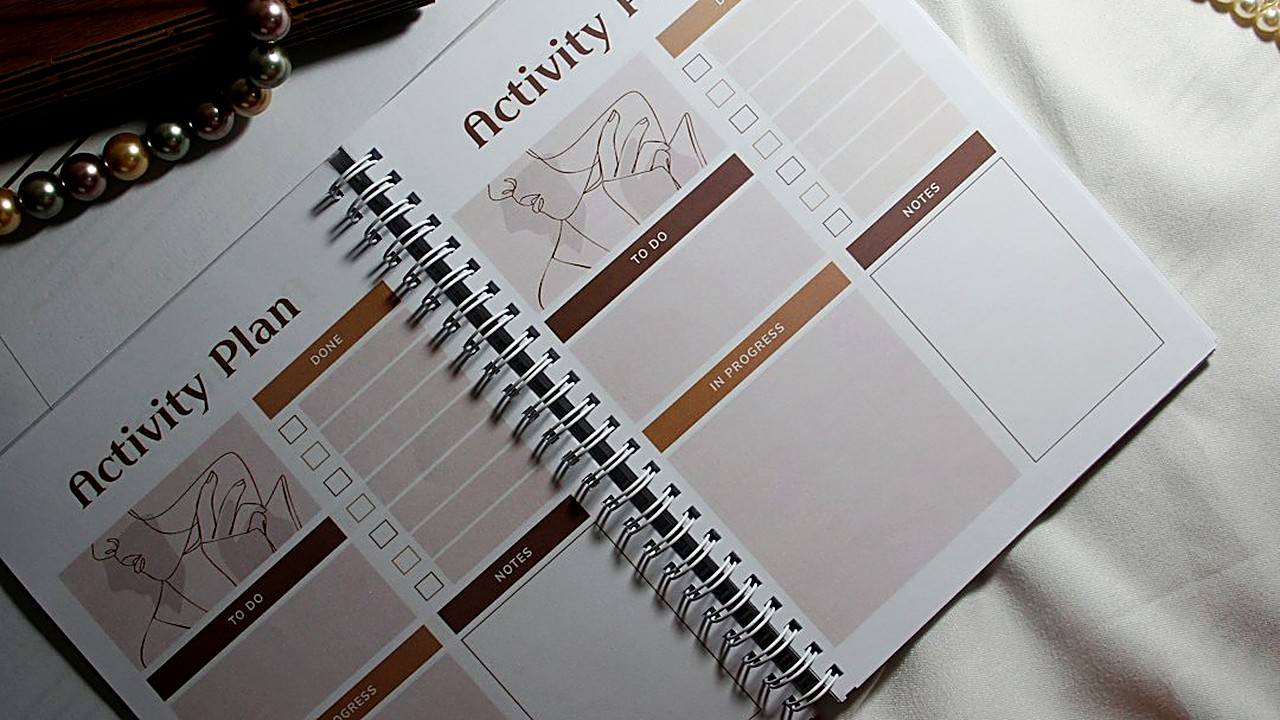
Quick answer: A budget that survives a busy life tracks three numbers: money in, fixed bills, and what is left to spend. You set it up once in about 45 minutes, then check one account balance for 20 minutes every week on the same day. Automation handles the rest.↗ Share on X
If you are short on time, a budget that works tracks three numbers, not forty. Money coming in. Fixed bills going out. What is left for everything else. You set it up once in about 45 minutes, then check it for 20 minutes a week, on the same day, every week. That is the whole system. Everything else people tell you about budgeting is optional.
Most budgets fail because they ask for too much. Forty categories. Daily receipt entry. An app that pings you every time you buy coffee. Nobody with a job, a commute and a family keeps that up past week three. So build the small version that survives a bad week.
What are the only three numbers you need?
 How to Budget: 8 Things Nobody Tells You Before Month One →
 How to Split Your First Paycheck With the 50/30/20 Rule →
 The 20-Minute Monthly Budget for People With No Time →
Write these three on one sheet of paper or one note on your phone. Nothing else goes on that page.
| Number | What it means | Where you find it |
|---|---|---|
| Money in | Everything that lands in your account this month, after tax | Last two months of bank deposits |
| Fixed bills | Rent or mortgage, power, water, phone, internet, insurance, loan payments, subscriptions | Bank statement, filtered by recurring charges |
| Left to spend | Money in, minus fixed bills, minus what you set aside | Simple subtraction |
The third number is the one that matters day to day. If you know you have 480 dollars left for the next 12 days, you can decide about dinner out without opening an app.
Clear money tips in your inbox. No hype.
How do you set the whole thing up in 45 minutes?
Affiliate link. We may earn a commission on purchases, at no extra cost to you.
This content is informational and is not investment advice or financial consulting.
Do this once. Put it in your calendar for a Saturday morning and get it over with.
1. Print or download the last 60 days of bank and card statements. Two months, not one. One month always hides something — the yearly insurance bill, the car registration, the dentist.
2. Highlight every charge that repeats. Same name, same rough amount, every month. That is your fixed bill list. Add it up. This is number two.
3. Add up every deposit for one normal month. If your pay is the same every month, this takes 30 seconds. If it moves, use the lowest of the last three months. Planning on your worst month is what keeps you out of trouble. This is number one.
4. Pick your set-aside amount. Start small enough that you will not raid it — even 25 or 50 a month. Move it by automatic transfer the day after payday, not at the end of the month. Whatever is still in your checking account at the end of the month never gets saved.
5. Subtract. Money in, minus fixed bills, minus set-aside. What remains is your spending money for the month. Divide it by the number of weeks until your next payday. That weekly number is what you actually live on.
6. Open a second checking account and move the spending money into it. Most banks let you open one for free in a few minutes. Fixed bills come out of account one. You spend only from account two, with one card. Now the balance on your phone is a real answer, not a guess.
That last step does most of the work. You stop doing arithmetic in the grocery aisle, because the card you are holding only has spending money behind it.
What does the weekly 20-minute check look like?
 Budget Blown by the 15th? Here Is Your 48-Hour Fix Plan →
 How to Budget Checklist: What to Check First for Fast Savings →
 Cut Monthly Bills: What Actually Works and What Doesn't →
Pick a fixed slot — Sunday morning, Wednesday night, whatever you will actually keep. Set a repeating alarm. Then run the same four questions every week.
1. What is the balance in the spending account right now?
2. Is it above or below where it should be for this point in the month?
3. Did any charge show up that I did not recognize?
4. Is anything unusual coming in the next seven days — a birthday, a school fee, a car service?
If you are above the line, do nothing. If you are below the line, you cut the coming week, not next month. Waiting until the first of the month to fix an overspend is how a small gap turns into a card balance.
Twenty minutes is generous. After the second or third week it takes eight.
Which expenses should you look at cutting first?
Go after the ones that take one phone call and never come back, not the ones that require willpower every single day. Willpower runs out. A cancelled subscription stays cancelled.
| Cut type | Effort | How often it repeats |
|---|---|---|
| Unused subscriptions and app trials | One evening | Every month, forever |
| Phone or internet plan renegotiated | One phone call | Every month for a year or more |
| Insurance re-quoted at renewal | One hour of quotes | Once a year, but large |
| Bank fees and overdraft charges | One account switch | Every month |
| Food delivery replaced by groceries | Ongoing effort | Only while you keep it up |
Start at the top of that table and work down. Cancel or renegotiate three things in one evening and you have usually freed more money than a whole month of skipping treats — and you never have to think about it again.
One warning about switching accounts or insurance: read what you lose, not only what you save. A cheaper policy with a much higher excess is not a saving if you have no cash to cover the excess.
What do you do when "left to spend" comes out negative?
This is common and it is information, not a verdict. It means your fixed costs are too big for your income right now. No amount of careful shopping fixes a structural gap. You have four levers, in order of how fast they work:
1. Pause the set-aside for one month. Do this first, before you miss a bill.
2. Attack the largest fixed bill you can actually change. Usually that is transport, phone, insurance, or a subscription bundle, in that order.
3. Call anyone you owe before you miss a payment, not after. Lenders, utilities and landlords have hardship or payment-plan options that are far better than the ones you get once you are in arrears. The call is uncomfortable and it takes about ten minutes.
4. Look at income. Extra shifts, selling something sitting unused, a rate increase you have been putting off asking for.
Do not close the gap with a new card or a short-term loan without reading the total cost over the full term, not the monthly payment. Monthly payment is how expensive credit is sold.
How do you budget when your income moves every month?
Freelancers, drivers, hospitality workers and anyone on commission need one extra step, and it is simple: pay yourself a fixed salary.
- Add up the last six months of income. Take the lowest single month. That becomes your monthly "salary".
- Keep all income in one holding account. On the same date every month, transfer exactly that salary amount to your bill account.
- Everything above the salary stays in the holding account and covers the thin months.
The first two or three months feel tight because you are building the cushion. After that, your budget behaves like a regular paycheck even though your work does not.
When is it worth talking to a professional?
Personal budgeting is something most people can run alone. A few situations are worth an outside opinion, and this article is general information, not advice about your specific finances:
- You are behind on a mortgage, rent, or a secured loan, or you are getting collection calls.
- You are paying one card with another.
- You are considering debt consolidation, a refinance, or a hardship program and cannot tell whether the total cost goes up or down.
- Your tax situation changed — self-employment, a second job, a house sale.
Look for a nonprofit credit counseling service or a fee-only adviser who charges for time rather than selling products. Ask what they charge before the first meeting, in writing. Anyone who promises a specific outcome, or asks for a large fee up front to "clean" your credit, is not the help you want.
Your next step this week
Do only this: open your banking app, scroll the last 30 days, and write down every charge that repeats. Nothing else. That list takes about 15 minutes and it is the hard half of the whole setup.
Then put a recurring 20-minute appointment in your calendar called "money check", with an alarm, starting this week. When it fires the first time, all you have to do is look at one balance and answer four questions. That is a budget that survives a busy month.
FAQ
How long does it really take to set up a budget?
About 45 minutes once, if you have two months of bank statements in front of you. After that it is a 20-minute check each week, and usually less than ten minutes once you are used to it.
Do I need a budgeting app?
No. A second checking account holding only your spending money does most of what an app does, because the balance on your phone is already the answer. Use an app only if you enjoy it.
What if my income changes every month?
Pay yourself a fixed monthly salary based on your lowest month from the last six. Keep everything else in a holding account so the thin months are covered by the good ones.
Should I save or pay off debt first?
Keep a small set-aside going so an emergency does not put you back on a card, and put the rest toward the debt with the highest interest rate. If you are behind on payments, talk to a nonprofit credit counselor before choosing.
Clear money tips in your inbox. No hype.
Educational content, not personalized financial advice. Sources cited where applicable.