Can Closing a Credit Card Hurt Your Score? The Surprising Truth Explained

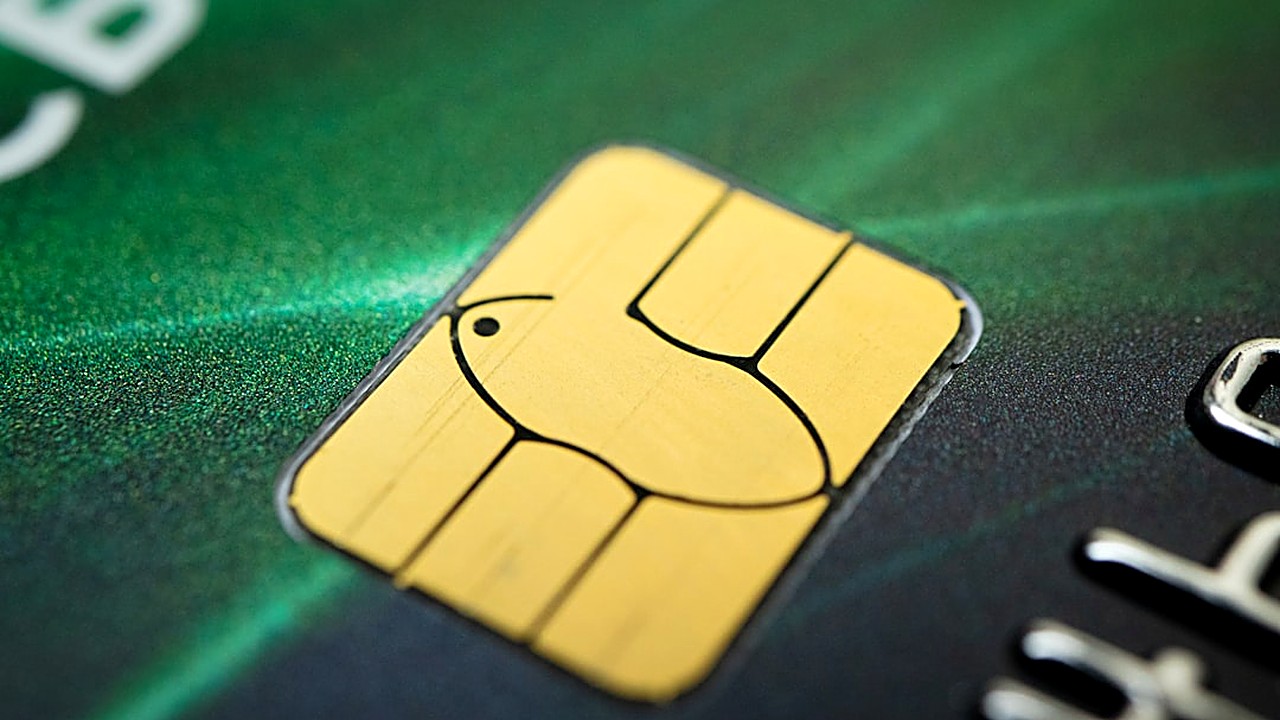
Quick answer: Closing a credit card can lower your score, especially if the card carries a high limit or is one of your oldest accounts. The impact depends on credit utilization, account age, and overall mix. In many cases the drop is temporary and can be mitigated with careful planning.↗ Share on X
Understanding How Credit Scores Are Calculated
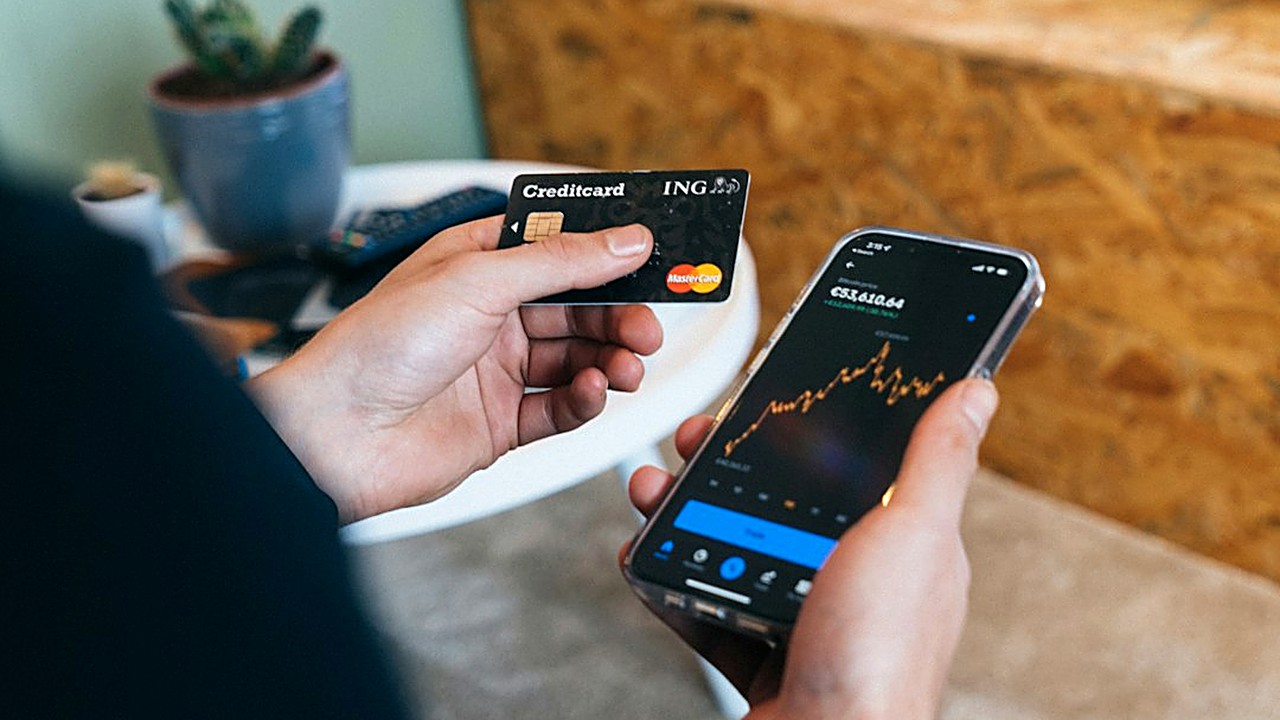 Credit Utilization: The Date That Decides Your Number →
 How to Manage Credit Card Debt After Job Loss →
 7 Credit Card Debt Mistakes That Keep You Stuck (and Fixes) →
Credit scores are built from five main pillars: payment history, amounts owed, length of credit history, new credit, and credit mix. Payment history carries the most weight, but the other four still move the needle. When you close a card, two of those pillars—amounts owed (through utilization) and length of credit history—feel the change the most.
Utilization is the ratio of balances to credit limits. A lower ratio signals lower risk. If you have a $5,000 limit on a card you close, your total available credit shrinks, and the same balance now represents a larger slice of the pie.
Length of credit history looks at the age of your oldest account, the average age of all accounts, and how long each has been active. Shutting a card that’s been open for a decade can shave years off the average, which may nudge the score down.
I’ve watched friends who kept a dormant card for years and saw their scores stay steady, while those who cut the same card after a few months felt a noticeable dip. The math behind the score is consistent; the personal stories just illustrate the effect.
Clear money tips in your inbox. No hype.
The Immediate Impact of Closing a Card
Affiliate link. We may earn a commission on purchases, at no extra cost to you.
This content is informational and is not investment advice or financial consulting.
The moment you request a closure, the credit bureau updates the account status. If the card had a zero balance, the utilization change is purely a function of the lost limit. For example, imagine a portfolio of $20,000 total credit and $2,000 in balances. Closing a $5,000 card drops the total limit to $15,000, raising utilization from 10% to about 13.3%. That 3.3‑point jump can shave 5‑10 points off the score, depending on the model.
If the card you close carries a balance, the story gets more complicated. Some issuers will move the balance to another card, keeping the total limit the same but increasing the balance on the remaining card. Others may require you to pay off the balance before the account is closed, which can temporarily boost utilization if you pay with cash or a low‑interest loan.
Data from major scoring models shows that a 10‑point rise in utilization typically translates to a 5‑15 point dip in the overall score. The exact number varies by individual credit profile, but the direction is consistent: higher utilization = lower score.
Long‑Term Effects on Credit Utilization and Age
 Debt Consolidation Loans and Your Credit Score Over Time →
 Getting Out of Debt: 8 Things to Check Before You Pay More →
 Rebuilding Credit After a Debt Settlement: First 12 Months →
After the initial dip, two forces can help the score recover. First, as you continue to pay down balances, utilization naturally falls. Second, the closed account remains on your credit report for up to ten years as a "closed, paid in full" entry. That means the age of the account still counts toward the average age calculation, even though the limit is gone.
However, the loss of available credit stays in the equation. If you later apply for new credit, the lower limit can make the new‑credit inquiry look riskier. Lenders often view a higher utilization ratio as a sign of financial strain, which can affect approval odds and interest rates.
A practical tip: keep at least one card with a high limit open, even if you rarely use it. A $10,000 limit that sits at a $0 balance drags utilization down dramatically and adds years to your average age.
When Closing Might Make Sense
Closing a card isn’t always a bad move. If a card carries an annual fee that outweighs its benefits, the cost‑benefit analysis may favor closure. Similarly, cards with high interest rates that you can’t pay off quickly can become a liability.
Another scenario involves cards that you no longer qualify for due to credit‑score changes. If the issuer threatens to raise the rate or cut the limit, pre‑emptively closing the account can protect you from a future negative hit.
In my own household, I once closed a rewards card that charged a $95 fee. The fee ate into the cash‑back earnings, and the card’s limit was modest. After paying off the balance and closing the account, the short‑term score dip was quickly offset by lower utilization on my remaining cards.
Practical Steps to Minimize Damage
1. Pay down balances first – Reduce utilization on other cards before closing any account. A lower balance cushions the loss of credit.
2. Request a limit transfer – Some issuers will move the limit from the closing card to another card you own, preserving total credit.
3. Keep the oldest card open – If you have a card that’s been with you for ten years, let it stay active. Its age contributes heavily to the average‑age calculation.
4. Monitor your score – Use a free credit‑monitoring tool to watch the impact. If the dip is larger than expected, consider a short‑term balance‑transfer loan to lower utilization.
5. Avoid new hard inquiries – After closing a card, hold off on applying for fresh credit for at least six months. This gives the score time to settle.
Remember, the credit score is a snapshot that reflects recent behavior. A temporary dip does not mean permanent damage. By managing utilization and preserving account age, you can keep the score healthy while trimming the cards that no longer serve you.
Disclaimer: NOT a CFP, NOT a Registered Investment Advisor. Content is informational. Consult licensed professional for specific decisions.
Frequently asked questions
Will closing a credit card always lower my score?
Not always. The effect depends on how the closure changes your utilization ratio, average account age, and overall credit mix. A well‑planned closure can result in a minimal or short‑lived dip.
Does the balance on a closed card affect my score?
Yes. If the balance remains and the limit disappears, utilization rises, which can lower the score. Paying off the balance before closing eliminates this risk.
How long does the score impact last?
The initial dip usually fades within six to twelve months as you lower utilization and the closed account continues to contribute to age calculations.
Should I keep a card with a $0 balance but a high limit?
Generally, yes. A high‑limit, zero‑balance card helps keep utilization low and adds years to your average credit age, both of which are favorable for the score.
Can I reopen a closed credit card?
Some issuers allow you to reopen a recently closed account, but they may treat it as a new account, resetting the age. Check with the issuer before assuming it’s an easy fix.
*NOT a CFP, NOT a Registered Investment Advisor. Content is informational. Consult licensed professional for specific decisions.*
Clear money tips in your inbox. No hype.
Educational content, not personalized financial advice. Sources cited where applicable.