Credit Card Debt or Down Payment? How to Split Every Dollar

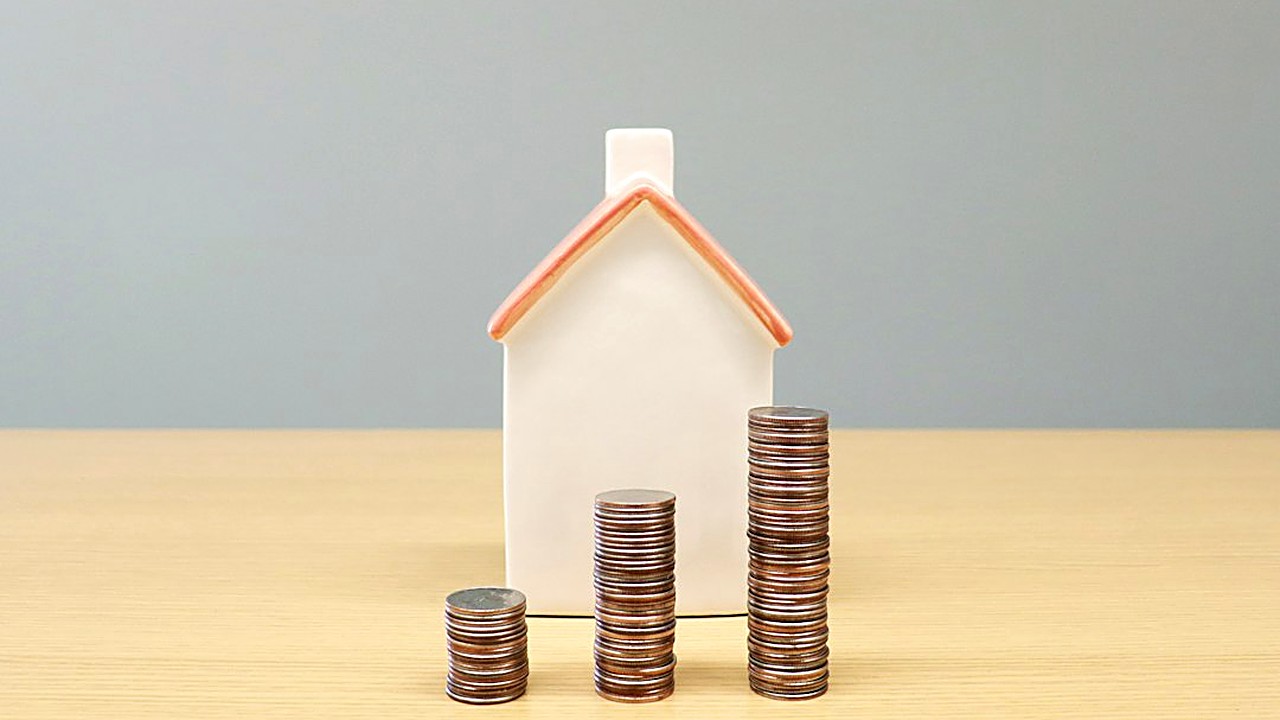
Quick answer: In most cases, pay down high-interest credit card debt first while keeping a small emergency fund and a modest monthly deposit into a down payment account. Card interest usually costs far more than savings earn, and lower balances help your credit score and debt-to-income ratio, which affect the mortgage you can get.↗ Share on X
For most people, the smart order is: build a small emergency cushion, attack high-interest credit card debt hard, and keep a smaller automatic deposit going into a down payment account at the same time. Credit card interest usually costs much more than a savings account pays, so every dollar of card debt you clear is like earning that interest rate back. Lower card balances also tend to raise your credit score and lower your debt-to-income ratio, two things mortgage lenders check closely. Below is a step-by-step way to split your money, with a sample budget you can copy.
This article is general education, not personal financial advice. Your situation may be different, and a nonprofit credit counselor or a HUD-approved housing counselor can review your numbers for free or at low cost.
Why does credit card debt matter so much for a mortgage?
 Pay Off Debt and Protect Your Credit Score: 7 Moves to Make →
 How to Manage Credit Card Debt After a Pay Cut →
 Authorized User on a Credit Card: Score Help or Debt Trap? →
When you apply for a home loan, the lender looks at three main things that credit card debt affects:
1. Your credit score. A big part of your score is your *credit utilization*, which means how much of your card limits you are using. Using a smaller share of your limits usually helps your score. Many credit experts suggest staying under 30%, and lower is better.
2. Your debt-to-income ratio (DTI). This is your monthly debt payments divided by your monthly income before taxes. Card minimum payments count. A high DTI can lower the loan amount you qualify for, or stop the approval.
3. Your interest rate. A higher score often means a lower mortgage rate. Over a 30-year loan, even a small rate difference adds up to thousands of dollars.
So paying down cards is not just about saving on interest today. It can make your future house cheaper.
Clear money tips in your inbox. No hype.
How do you decide where each dollar goes?
Affiliate link. We may earn a commission on purchases, at no extra cost to you.
This content is informational and is not investment advice or financial consulting.
Use this simple order. Move to the next step only when the one before it is in place.
| Step | Goal | Why |
|---|---|---|
| 1 | Pay at least the minimum on every card, every month | Late payments hurt your score and add fees |
| 2 | Save a starter emergency fund (for example, $1,000 or one month of basic costs) | Stops a car repair from going back on the card |
| 3 | Put most extra money toward the card with the highest interest rate | Saves the most money |
| 4 | Send a smaller fixed amount to a down payment account each month | Keeps the house goal moving |
| 5 | Once cards are paid off, move the card money into the down payment | Speeds up the savings a lot |
The key idea in step 4: you do not have to choose one goal and freeze the other. A small, steady savings habit keeps you motivated, and the big push comes after the cards are gone.
What does a real monthly split look like?
 Credit Card Debt and a Mortgage Application: What to Do →
 Balance Transfer to Pay Off Debt: The Math Before You Apply →
 401(k) Loan to Pay Off Debt: How to Keep It Penalty-Free →
Here is an example. Say you have $900 a month left after rent, food, utilities and other basic bills. You owe $6,000 on two credit cards.
| Where the money goes | Monthly amount | Notes |
|---|---|---|
| Minimum payments on both cards | $180 | Required |
| Extra payment on the highest-rate card | $470 | Your main attack |
| Down payment savings account | $150 | Automatic transfer on payday |
| Emergency fund top-up | $100 | Stop once it reaches your target |
| Total | $900 |
When the emergency fund is full, that $100 goes to the cards. When the first card is paid off, its minimum payment plus the extra payment roll onto the second card. When both are gone, the full amount you were paying on cards goes to the down payment. This is often called the "snowball" or "avalanche" effect, depending on which card you pay first.
Should you pay the highest rate or the smallest balance first?
There are two common methods:
- Avalanche: pay extra on the card with the highest interest rate first. This saves the most money.
- Snowball: pay extra on the card with the smallest balance first. You get a quick win, which helps some people stay on track.
Both work if you stick with them. If you are motivated by numbers, use the avalanche. If you have quit debt plans before, the snowball's quick wins may help you keep going.
Where should you keep the down payment money?
Keep it safe and easy to reach, but not so easy that you spend it.
- High-yield savings account at a bank or credit union insured by the FDIC or NCUA. Your money is protected up to the legal limits, and it earns more than a typical checking account.
- A separate account from your everyday money. Name it "House" in your banking app.
- Avoid the stock market for money you need within a few years. Prices can drop right when you need to buy.
Check current rates before you open an account, since savings rates change often.
Can you lower the interest on your cards while you pay them off?
Yes, a few options may help. Each one has risks, so read the terms carefully.
1. Call your card company and ask for a lower rate. It is free to ask. If you have paid on time, they may say yes.
2. Balance transfer card. Some cards offer a low or 0% intro rate for a set number of months. There is usually a transfer fee, and the rate jumps when the intro period ends. Only use one if you can pay the balance before that date.
3. Debt consolidation loan. A personal loan with a lower fixed rate can replace several card balances. Opening new credit can cause a small, temporary dip in your score, so think about timing if you plan to apply for a mortgage soon.
4. Nonprofit debt management plan. A credit counseling agency may negotiate lower rates and combine your payments into one. Look for agencies that are nonprofit and accredited.
Timing tip: try not to open new credit accounts in the months right before a mortgage application. New accounts and hard credit checks can lower your score for a while.
What mistakes should you avoid?
- Draining all savings to pay off cards. Without an emergency fund, the next surprise bill goes right back on the card.
- Closing old paid-off cards. Closing a card lowers your total available credit, which can raise your utilization. Keeping it open with no balance often helps your score. Just do not use it to spend again.
- Using retirement money for either goal without talking to a professional first. Early withdrawals can bring taxes and penalties.
- Making a big purchase on credit before buying a home. A new car loan or furniture on a card can change your DTI and hurt your approval.
How long will this take?
It depends on your income, your debt, and your interest rates. A free online debt payoff calculator can show your payoff date for a given monthly amount. Enter your real balances and rates, try a few payment amounts, and pick one you can keep every month.
Many first-time buyer programs exist that can lower the down payment you need. A HUD-approved housing counselor can tell you which ones fit your area and income.
When should you talk to a professional?
Get help from a nonprofit credit counselor or a HUD-approved housing counselor if:
- You can only afford the minimum payments, or less.
- You are using one card to pay another.
- You are thinking about bankruptcy or debt settlement.
- You are not sure how much house you can afford.
These counselors can look at your full picture. No plan online can promise a specific result for your situation.
Your next step this week
1. Write down every card: balance, interest rate, and minimum payment.
2. Open a separate savings account and name it "House".
3. Set an automatic transfer for payday, even if it is only $25.
4. Pick the avalanche or snowball method and send your first extra payment before the end of the week.
FAQ
Should I stop saving for a house until my credit cards are paid off?
Not necessarily. Many people do best by keeping a small automatic deposit into a down payment account while putting most extra money toward high-interest cards. Once the cards are gone, the card payments can move into savings.
Will paying off my credit cards raise my credit score?
Lowering your card balances usually improves your credit utilization, which is an important part of most scoring models. How much your score changes depends on your full credit history, so there is no fixed number.
Who can review my plan for free?
Nonprofit credit counseling agencies and HUD-approved housing counselors often offer free or low-cost reviews of your budget, debts and home-buying options. Check that the agency is nonprofit and accredited before sharing your information.
Clear money tips in your inbox. No hype.
Educational content, not personalized financial advice. Sources cited where applicable.