Credit Utilization Ratio: Time Payments for Max Impact

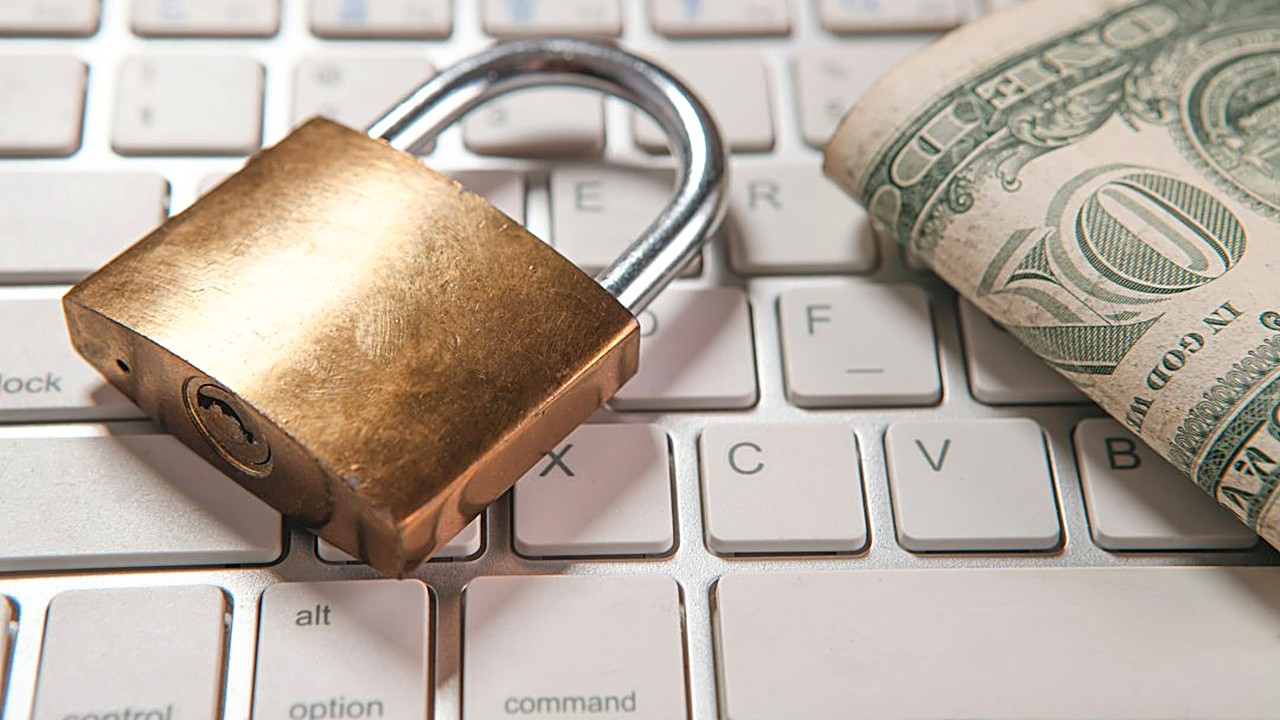
Quick answer: To maximize impact, pay your credit card balance in full before the statement closing date, not just the due date. This ensures a low or zero balance is reported to credit bureaus, which directly improves your credit utilization ratio.↗ Share on X
The Simple Answer: Pay Before the Closing Date
 Settled a Debt for Less? How to Rebuild Your Credit Now →
 Pay Cut and Credit Card Debt: What to Do First, and Next →
 Debt Management Plan Rules That Keep Your Payoff on Track →
You want to pay off debt in a way that shows credit bureaus you are using very little of your available credit. The best time to make your payment is before your statement closing date, not on the due date. If you pay on the due date, the high balance from the end of the billing cycle is already reported. By paying before the statement closes, you reset the balance to a low number, which lowers your credit utilization ratio. This single move can help you improve your credit score significantly without changing your spending habits.
Clear money tips in your inbox. No hype.
Why the Closing Date Matters More Than the Due Date
Affiliate link. We may earn a commission on purchases, at no extra cost to you.
This content is informational and is not investment advice or financial consulting.
Most people think the due date is the only important date. It is not. The due date is when you must pay to avoid late fees. The closing date is when your credit card company takes a snapshot of your balance and sends it to the credit bureaus. This snapshot determines your utilization ratio for that month.
Your credit utilization ratio is the percentage of your total credit limit that you are using. For example, if you have a $1,000 limit and a $500 balance, your utilization is 50%. Experts often suggest keeping this number below 30%. Some say below 10% is even better. The lower the number, the better it looks to lenders. They see you as low-risk.
If you wait until the due date to pay, the bureau sees the $500 balance. If you pay off the $500 two days before the closing date, the bureau sees a $0 balance. A $0 balance is the best possible report. It shows you are responsible and not relying heavily on credit.
How to Find Your Critical Dates
 Pay Before the Statement Closes to Cut Credit Utilization →
 Pay Cut and Credit Card Debt: A Plan to Stay Current →
 Credit Card Debt Before a Career Change: A 90-Day Plan →
You need to know two specific dates for every credit card you hold. You can find these in your online banking app or on your paper statement.
1. Statement Closing Date: This is the last day of your billing cycle. The balance on this day is reported.
2. Payment Due Date: This is usually 21 to 25 days after the closing date. This is when you must pay to avoid penalties.
Many people confuse these. They pay on the due date and wonder why their score is not going up. They are paying too late to affect the current report. The report is already sent. You are only fixing the next month's report if you pay on the due date, but the current month's high balance is already recorded.
A Concrete Example of Strategic Timing
Let us look at a real-world scenario. Assume you have a credit card with a $2,000 limit.
Scenario A: Paying on the Due Date
- You spend $1,000 on groceries and gas during the month.
- Your statement closes on May 15. The balance is $1,000.
- The credit bureau receives a report of $1,000.
- Your utilization is 50% ($1,000 / $2,000).
- You pay the $1,000 on June 10 (the due date).
- This payment helps you avoid late fees, but the 50% utilization is already on record for May.
Scenario B: Strategic Payment
- You spend $1,000 on groceries and gas during the month.
- Your statement closes on May 15.
- On May 10, you pay $1,000 to bring the balance to $0.
- On May 15, the statement closes. The balance is $0.
- The credit bureau receives a report of $0.
- Your utilization is 0% ($0 / $2,000).
- You pay the remaining amount on June 10 if any, or just the minimum if you paid in full. In this case, you paid in full, so you are done.
In Scenario B, you made the same payment amount. But the timing changed the report from 50% to 0%. This is the maximum impact. It shows you are not maxing out your card.
Step-by-Step Guide to Implementing This Strategy
Follow these steps to start using this method immediately. You do not need to change your budget. You just need to change when you press the "pay" button.
1. Log in to your bank or credit card app.
2. Locate your next statement closing date. It is usually listed under "Account Details" or "Billing Cycle."
3. Check your current balance. This is the amount you owe right now.
4. Calculate your target balance. Aim for a balance that is 10% or less of your total limit. For a $2,000 limit, aim for $200 or less. Ideally, aim for $0.
5. Make a payment before the closing date. You can pay the full balance or just enough to get under that 10% threshold. If you pay the full balance, your utilization drops to 0%.
6. Wait for the statement to close. Do not pay the new charges that come in after the closing date until the next cycle.
7. Pay the statement balance by the due date. This ensures you do not pay interest or late fees. If you already paid in full in step 5, you may not owe anything on the due date, or you may owe a small amount if you made new purchases.
This process is simple. It requires discipline to check the dates. But it is the most effective way to manage your credit card debt for score improvement.
What If You Cannot Pay in Full?
If you are struggling to pay the full balance, you can still use this strategy. You do not have to pay everything. You just need to lower the reported balance.
Suppose you owe $1,000 on a $2,000 limit. You cannot pay $1,000. But you can pay $800. That leaves a balance of $200. Your utilization drops from 50% to 10%. This is a huge improvement. It shows you are making a serious effort to get out of debt. Lenders see this positive behavior.
However, be careful. If you pay $800 before the closing date, you still owe $200. When the statement closes, the $200 is reported. Then, on the due date, you must pay that $200 to avoid interest. If you cannot pay the $200, you will accrue interest. This can make your debt grow. So, only use this strategy if you can afford the remaining balance by the due date.
If you are in deep financial trouble, consider speaking with a certified credit counselor. They can help you create a budget and a debt repayment plan. Do not ignore high-interest debt. It can spiral out of control. Getting professional help is a smart move, not a sign of weakness.
Common Mistakes to Avoid
Even with the best intentions, people make mistakes. Here are the top errors to watch out for.
- Paying on the Due Date Only: This is the most common mistake. It keeps your utilization high. You are paying to avoid late fees, not to improve your score.
- Making Payments Too Late: If you pay after the closing date, the high balance is already reported. Your payment will only affect the next month's report. This delays your score improvement.
- Ignoring Multiple Cards: If you have three credit cards, you need to manage the utilization on each one. A high balance on one card can hurt your score even if the others are low. Check the closing date for each card. They are often different.
- Assuming It Is Automatic: Your bank does not know your goal is to improve your credit score. They just process payments. You must manually time your payments to get the benefit.
How This Affects Your Credit Score
Your credit score is made up of several factors. Payment history is the biggest, usually around 35%. Credit utilization is the second biggest, usually around 30%. This means that just by changing when you pay, you are affecting nearly a third of your score.
If you keep your utilization below 10%, you are in the top tier of creditworthiness. If you keep it above 30%, you are in the lower tier. The difference can be dozens of points. These points determine your interest rates on loans, your ability to get approved for credit, and even your insurance premiums.
For example, a person with a 700 score might pay 6% interest on a car loan. A person with a 750 score might pay 4.5%. Over a five-year loan, that difference is thousands of dollars. By strategically timing your payments to lower your utilization, you save money in the long run.
Managing New Purchases After Payment
After you make your strategic payment before the closing date, you will have more available credit. It is tempting to spend it. Do not do this immediately. If you spend the full amount again before the next closing date, your utilization will spike back up. The report will show a high balance again.
Instead, wait. Let the statement close with the low balance. Then, on the due date, pay off the new charges. This keeps your reported balance low for the next cycle. It creates a pattern of low utilization. This pattern is what credit bureaus look for. They want to see consistent, responsible behavior.
If you must make a large purchase, consider using a debit card or cash instead. This keeps your credit card balance low. You only want to use your credit card for purchases you can pay off quickly. This is the golden rule of credit card management.
A Table for Quick Reference
Use this table to plan your payments. Fill in your details to see exactly what to do.
| Card Name | Credit Limit | Current Balance | Closing Date | Target Balance | Payment Amount | Due Date |
|---|---|---|---|---|---|---|
| Card A | $1,000 | $500 | May 15 | $0 | $500 | June 10 |
| Card B | $2,000 | $800 | May 20 | $200 | $600 | June 15 |
| Card C | $500 | $100 | May 25 | $0 | $100 | June 20 |
In this example, for Card A, you pay $500 before May 15. The report shows $0. For Card B, you pay $600 before May 20. The report shows $200 (10% utilization). For Card C, you pay $100 before May 25. The report shows $0. This is a perfect strategy. It minimizes utilization across all cards.
What to Do If You Miss a Deadline
Life happens. You might forget the closing date. If you miss it, do not panic. Your score will not drop instantly. It will take time for the high utilization to affect your score significantly. You can fix it in the next cycle.
Make your payment as soon as you remember. Even if it is after the closing date, it will lower your balance for the next report. Consistency is key. One missed month does not ruin your credit. A pattern of missed payments does. Focus on getting back on track.
If you are consistently missing payments, you are at risk of damaging your credit. Consider setting up automatic payments for the minimum amount. This ensures you never miss a due date. Then, manually make extra payments before the closing date to lower utilization. This hybrid approach is safe and effective.
The Long-Term Benefit
This strategy is not a quick fix. It is a habit. Once you get into the routine of checking closing dates and making timely payments, it becomes second nature. You will see your credit score rise over the next three to six months. You will feel more confident when applying for loans or credit cards.
You are taking control of your financial health. You are not just paying bills. You are strategically managing your credit profile. This is a powerful skill. It will serve you for life. Whether you are buying a home, a car, or starting a business, a good credit score opens doors. It saves you money and gives you options.
Start today. Log in to your bank. Find your closing date. Make a plan. You do not need to be a finance expert. You just need to be organized. The tools are in your hand. Use them wisely. Your future self will thank you for the lower interest rates and higher approval chances.
Final Practical Step
Do not just read this and close the tab. Take action now. Open your credit card app. Find the closing date for your next statement. Set a reminder on your phone for two days before that date. Write down the amount you need to pay to get your balance under 10%. When the reminder goes off, make the payment. This single action will start the process of improving your credit utilization ratio. It is the first step to getting out of debt and building a strong credit history. Keep it up every month. The results will follow.
FAQ
Does paying my credit card balance twice a month help my score?
Yes, it can help if you time the payments correctly. Paying before the statement closing date lowers the reported balance. This reduces your utilization ratio, which can improve your credit score. However, paying twice a month is not required. Paying once before the closing date is sufficient to lower the reported balance for that cycle.
What is a good credit utilization ratio?
A good credit utilization ratio is generally considered to be below 30%. However, experts often recommend keeping it below 10% for the best score impact. The lower the percentage, the better it looks to lenders. A 0% utilization is ideal, but not always possible if you use your card frequently.
Should I pay off my entire credit card balance every month?
Yes, paying off your entire balance every month is the best practice. It avoids interest charges and keeps your utilization low. If you cannot pay the full amount, try to pay as much as you can before the statement closing date to lower the reported balance. This shows you are making an effort to manage your debt.
Clear money tips in your inbox. No hype.
Educational content, not personalized financial advice. Sources cited where applicable.