Emergency Fund Mistakes: 7 Signs Yours Is Set Up Wrong

Quick answer: Your emergency fund is set up wrong if the money is hard to reach, sits in your spending account, or keeps getting used for predictable bills. Base the target on 3 to 6 months of bare-bones costs, keep it in an insured savings account, and refill it automatically after every withdrawal.↗ Share on X
Your emergency fund is set up wrong if you can't reach the money within one or two business days, if it sits in the same account you spend from, or if you keep dipping into it for things that aren't emergencies. The other big warning signs: the goal is a random number instead of your real monthly costs, the money is invested in stocks, you stopped saving after one withdrawal, or you're building it while paying 25% interest on a credit card. Below are all seven signs, what each one costs you, and how to fix it this week.
What is an emergency fund supposed to do?
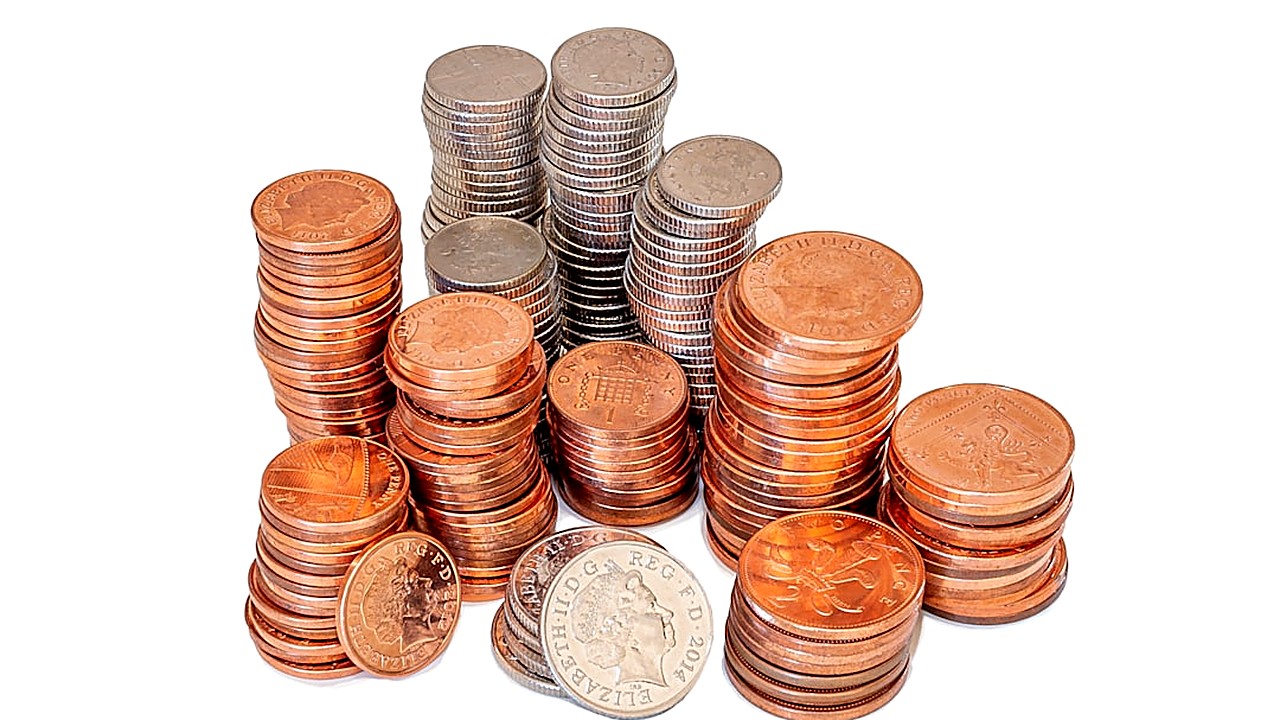 Emergency Fund Mistakes That Leave You Broke in a Crisis →
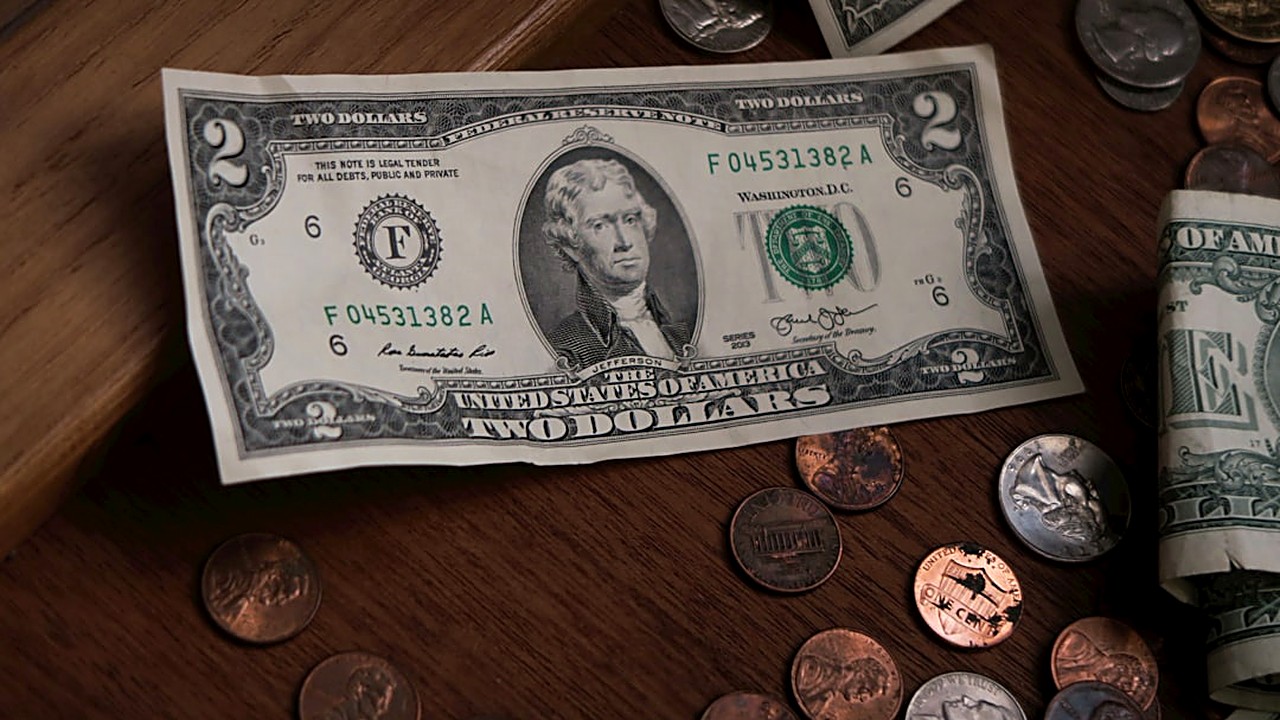 7 Real Emergency Fund Tips That Actually Work Fast →
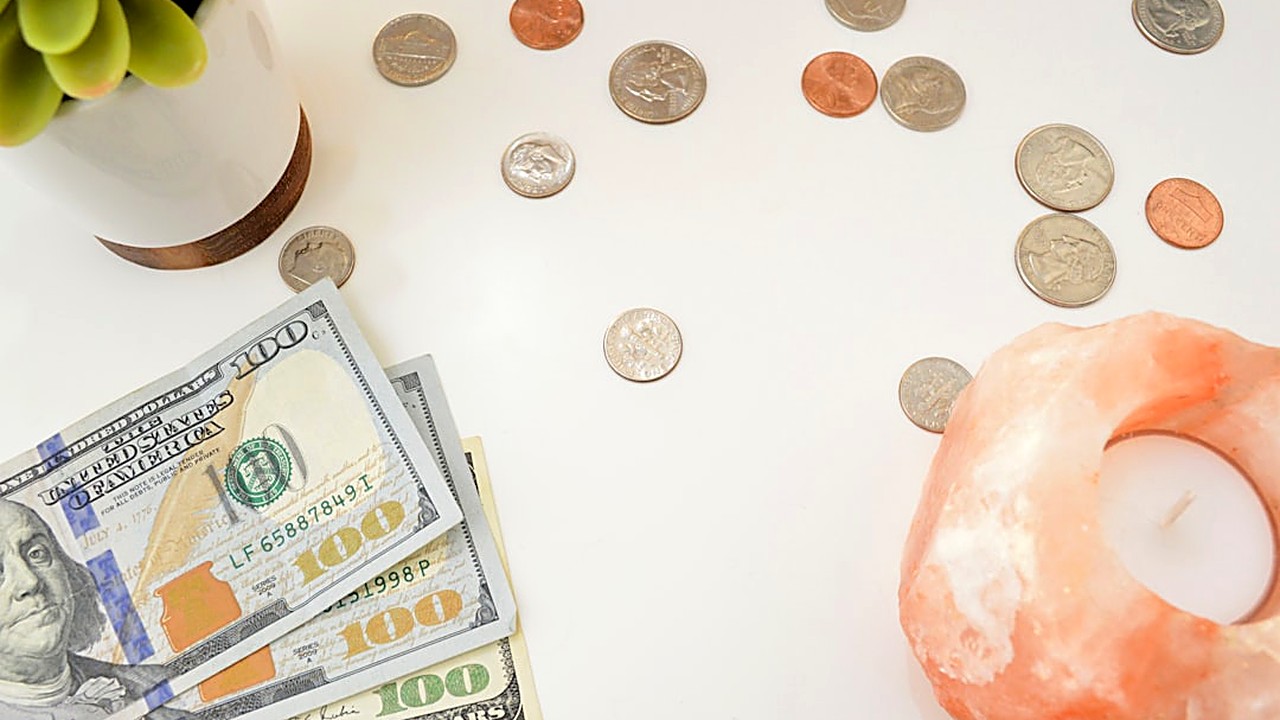 Automate Your Savings Without Overdrafting Your Account →
An emergency fund is cash you set aside for one job: covering a sudden, necessary cost without going into debt. Think job loss, a car repair you need to get to work, an urgent vet or medical bill, or a broken water heater.
It is not a vacation fund. It is not a "someday" investment. It's a shock absorber. When you judge your fund, ask one question: *If something went wrong tomorrow, could this money fix it fast, without new debt?* If the answer is "not really," one of the signs below is probably the reason.
Clear money tips in your inbox. No hype.
Sign 1: Your money is locked up or hard to reach
Affiliate link. We may earn a commission on purchases, at no extra cost to you.
This content is informational and is not investment advice or financial consulting.
Some people put emergency cash in places that sound safe but are slow or costly to access:
- A certificate of deposit (CD) with an early withdrawal penalty
- A retirement account like a 401(k) or IRA, where early withdrawals can trigger taxes and penalties
- A brokerage account where you'd have to sell investments and wait for the trade to settle
- Cash hidden at home, where it can be lost, stolen, or burned
The fix: Keep the core of your fund in a savings account you can move to checking in one or two business days. A high-yield savings account at an FDIC-insured bank (or a credit union insured by the NCUA) is the usual choice. FDIC insurance covers up to $250,000 per depositor, per bank, per ownership category, which is far more than most emergency funds hold.
Sign 2: It lives in your everyday checking account
 The 50/30/20 Budget Rule Explained in 6 Simple Steps →
 How to build a budget in one hour: the 6 numbers you need →
 Why Your Budget Breaks Every Month, and How to Reset It →
If your emergency money sits in the same account as your grocery and gas money, it will slowly disappear. You don't decide to spend it. The balance just looks bigger, so you feel richer, so you spend more.
The fix: Open a separate savings account, ideally at a different bank from your checking. That small wall matters. A transfer that takes a day is fast enough for a real emergency but slow enough to stop an impulse buy. Give the account a nickname like "Emergency Only" in your banking app. It sounds silly. It works.
Sign 3: Your target number is a guess
"Save $1,000" and "save six months of income" are both common advice. But neither one is built from *your* life. Income is also the wrong base. What you need to cover in a crisis is your spending, not your paycheck.
The fix: Build your number from your bare-bones monthly costs. Use this table as a worksheet:
| Must-pay monthly cost | Your amount |
|---|---|
| Rent or mortgage | $ |
| Utilities (power, water, gas, phone, internet) | $ |
| Groceries (basic, not restaurants) | $ |
| Transportation (gas, transit, car payment) | $ |
| Insurance premiums (health, auto, renters/home) | $ |
| Minimum debt payments | $ |
| Childcare and medicine | $ |
| Total bare-bones month | $ |
Then multiply. A common range is 3 to 6 months of that total. Lean toward the higher end if:
1. You're the only income in your home
2. Your pay changes a lot (commission, gig work, seasonal jobs)
3. You work in a field where finding a new job takes a long time
4. You have kids, pets, an older car, or an older house
Lean toward the lower end if your household has two steady incomes and low fixed costs.
If six months feels impossible, start with a smaller first target: one month of bare-bones costs. That alone covers most car repairs and appliance breakdowns.
Sign 4: You use it for things you could have planned for
Car registration. Holiday gifts. Back-to-school clothes. Your annual insurance bill. These feel like emergencies when they arrive, but they come every year. If you pay for them from your emergency fund, the fund keeps shrinking and never grows.
The fix: Create "sinking funds." A sinking fund is a small savings bucket for a known future cost. You divide the cost by the number of months until it's due and save that amount each month.
Example: Your car registration and a set of tires cost about $900 total, due in 10 months. Save $90 a month into a "Car" bucket. When the bill comes, it's already paid for, and your emergency fund stays whole.
Many online banks let you split one savings account into several named buckets, so this doesn't require five different accounts.
A simple test before any withdrawal: Is it unexpected, necessary, and urgent? If it fails any one of those three, it's not an emergency fund expense.
Sign 5: You invested it to "make it grow"
It's tempting to put emergency cash in the stock market because savings rates feel low. The problem is timing. Emergencies often show up at the same time as bad economic news. Layoffs tend to rise when markets fall. You could be forced to sell investments at a loss right when you need the money most.
The fix: Keep your emergency fund in cash-like accounts where the balance doesn't swing. Your options, from most to least flexible:
1. High-yield savings account – easy access, insured, earns interest
2. Money market account at a bank – similar to savings, sometimes with checks or a debit card
3. Short-term Treasury bills or a no-penalty CD – only for money beyond your first few months of coverage, and only if you understand how and when you can cash out
Investing is a great idea for long-term goals. Just do it with money beyond your emergency fund, not instead of it.
Sign 6: You stopped saving after the first withdrawal
Using the fund isn't failure. That's what it's for. The mistake is using it and never refilling it. A lot of people hit an emergency, spend half the fund, feel discouraged, and quietly stop saving. Then the next emergency lands on a credit card.
The fix: Put the refill on autopilot.
1. Set an automatic transfer to your emergency savings the day after each payday. Even $25 counts.
2. After a withdrawal, raise that transfer temporarily until the fund is back to its target.
3. Send "surprise money" there first: tax refunds, bonuses, cash gifts, or money from selling things you don't use.
4. When the fund is full again, lower the transfer and move the extra toward other goals.
Automation matters because it removes the monthly decision. You don't have to feel motivated. The transfer just happens.
Sign 7: You're saving while high-interest debt grows
If you're putting $300 a month into savings that earn a few percent, while carrying a credit card balance that charges 20% or more, the math works against you. The interest on the debt grows faster than the interest on the savings.
But going to zero savings to pay off debt is also risky. With no cash cushion, the next surprise bill goes right back on the card.
The fix: Use a two-step order that many financial counselors recommend:
1. Build a starter fund first – often around one month of bare-bones costs, or a smaller fixed amount like $1,000 if money is very tight.
2. Then attack high-interest debt with most of your extra money, while still making every minimum payment.
3. After that debt is gone, grow the fund to your full 3–6 month target.
If your debt feels unmanageable, a nonprofit credit counseling agency can review your situation. Look for one that is a member of the National Foundation for Credit Counseling (NFCC), and be wary of any company that asks for large upfront fees.
How do you fix all seven signs this week?
You don't need a perfect plan. You need a working one. Here's a quick checklist:
| Sign | One action to take now |
|---|---|
| Locked or hard-to-reach money | Move your core fund to an insured savings account |
| Mixed with checking | Open a separate savings account and nickname it |
| Guessed target | Fill out the bare-bones monthly cost table |
| Used for planned costs | Start one sinking fund for your next known bill |
| Invested in stocks | Keep emergency cash out of the market |
| Never refilled | Set an automatic transfer for the day after payday |
| Saving while debt grows | Build a starter fund, then focus on the debt |
When should you talk to a professional?
This article covers general education, not personal financial advice. Every situation is different. Consider talking to a qualified professional if:
- You're behind on rent, a mortgage, or car payments
- Your debt payments take up most of your income
- You're facing a job loss, divorce, or big medical costs
- You're not sure whether to pay down debt, save, or invest
A fee-only financial planner, a nonprofit credit counselor, or a HUD-approved housing counselor (for rent and mortgage problems) can look at your full picture.
Your next step
Open your banking app today and answer two questions: *How much is in savings that I can reach within two days?* and *What does one bare-bones month cost me?* Divide the first number by the second. That's how many months you're covered right now. If the answer is under one, set up a small automatic transfer before you close the app. If it's already over three, check the other signs on this list and fix the weakest one first.
FAQ
How much should be in an emergency fund?
A common range is 3 to 6 months of your bare-bones monthly costs, such as housing, utilities, food, transportation, insurance, and minimum debt payments. If that feels too big, start with one month and build from there.
Where is the best place to keep an emergency fund?
Most people use a high-yield savings account or money market account at an FDIC-insured bank or NCUA-insured credit union. The money stays stable, earns some interest, and can usually reach your checking account in one or two business days.
Should I pay off credit card debt or build an emergency fund first?
Many counselors suggest building a small starter fund first, then putting most extra money toward high-interest debt, and growing the full fund after the debt is paid. If debt feels unmanageable, talk to a nonprofit credit counselor.
Clear money tips in your inbox. No hype.
Educational content, not personalized financial advice. Sources cited where applicable.