Emergency Fund on a Tight Budget: Start With $5 a Week


Quick answer: Start with a tiny goal, like $500, and save a small fixed amount the day you get paid, even $5 or $10. Open a separate savings account so the money is out of sight, then raise the amount a little each time your pay or bills change.↗ Share on X
You can build an emergency fund even when every dollar is already spoken for. The method is simple: pick a small first goal (many people use $500), move a small fixed amount into a separate savings account the day you get paid, and do not wait until you "have extra." Extra money rarely shows up on its own. Five dollars a week adds up to $260 in a year. Ten dollars a week is $520. That may not sound like much, but it is often enough to keep a flat tire or a missed shift from turning into a late fee or a high-interest loan.
This guide is for people who feel they have nothing left at the end of the month. It will show you where to look for small amounts, how to set the money aside, and what to do when life uses it up.
*This is general information, not personal financial advice. For help with your own numbers, a nonprofit credit counselor or a financial professional can look at your full situation.*
Why start with $500 and not "three to six months"?
 Rebuild an Emergency Fund After a Setback: 6 Simple Steps →
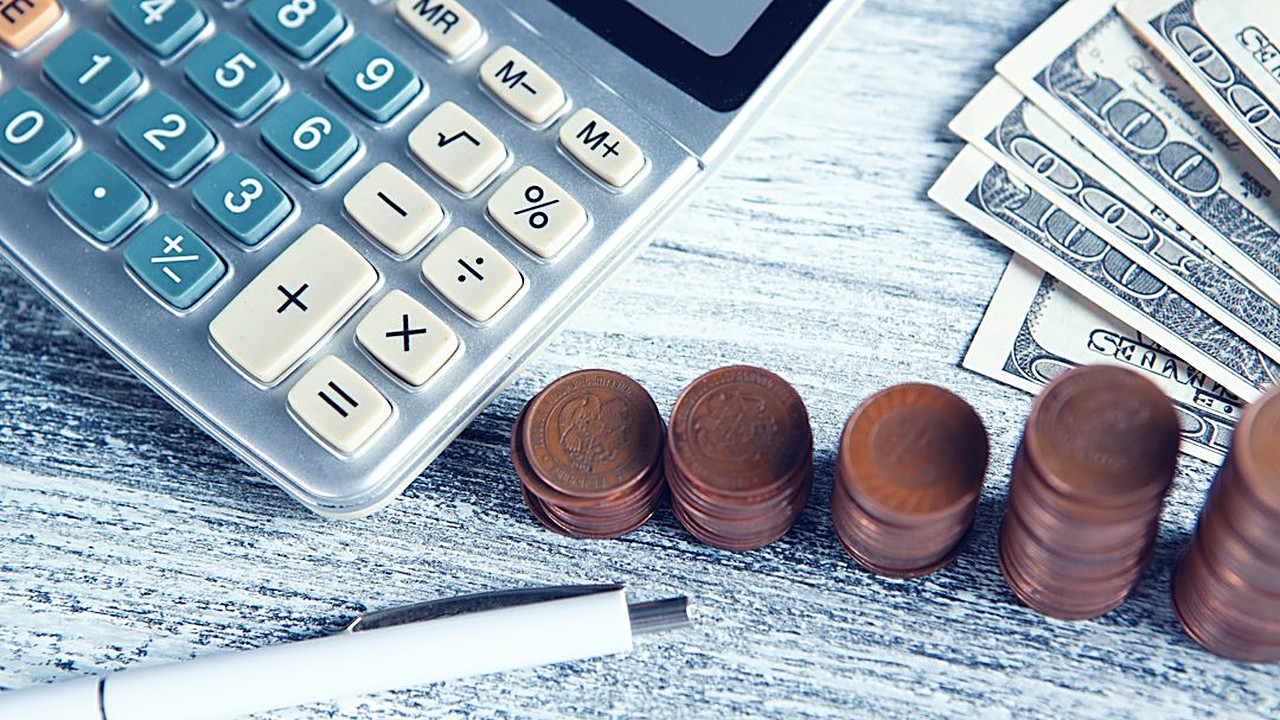 How to Calculate Your Savings Rate Without Retirement →
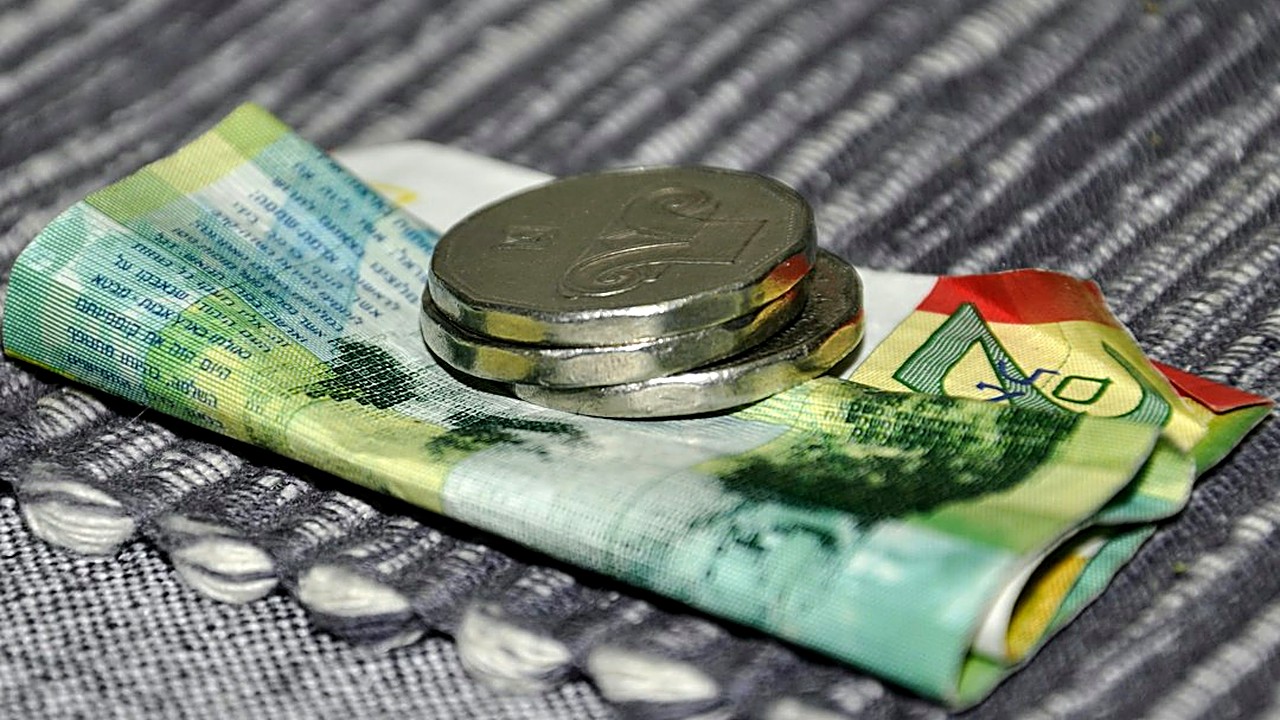 Does Inflation Shrink Your Emergency Fund? How to Fix It →
You have probably heard that an emergency fund should cover three to six months of expenses. That is a good long-term target. But for someone with little left over, a number like that can feel so far away that people never start.
A smaller first goal works better because you can reach it. Here is a simple ladder:
| Step | Goal | What it covers |
|---|---|---|
| 1 | $500 | A small car repair, a vet visit, a missed shift |
| 2 | One week of basic bills | A short gap in pay |
| 3 | One month of essential costs | Rent, food, utilities, transport for a month |
| 4 | Three to six months | A job loss or a longer problem |
Do not look at step 4 yet. Just aim at step 1. When you hit it, you will already have proof that you can save, and that changes how you feel about money.
Clear money tips in your inbox. No hype.
How much can I really save if I have nothing left over?
Affiliate link. We may earn a commission on purchases, at no extra cost to you.
This content is informational and is not investment advice or financial consulting.
Start by finding out where your money goes. You do not need an app. Use your bank statement from the last 30 days and a pen.
1. Circle the bills you cannot skip: rent, utilities, food, transport, minimum debt payments.
2. Underline everything else: delivery food, subscriptions, small daily buys, impulse shopping.
3. Add up the underlined items.
Most people are surprised at the number. You do not have to cut all of it. You only need to find $5 to $20 a week. Common places to look:
- Subscriptions you forgot. Streaming, apps, memberships. Cancel one or two.
- Phone or internet plan. Call and ask if there is a cheaper plan. Many companies have one they do not mention.
- Bank fees. If you pay a monthly fee or overdraft fees, ask about a free account.
- Food waste. Planning three dinners a week before you shop often cuts the bill without much pain.
- Coffee, snacks, delivery. One less delivery order a week can be $10 or more.
If you really cannot cut anything, the other side of the problem is income: a few extra hours, selling things you do not use, or a small side job for a month. Even a one-time $50 can be your first deposit.
Where should I keep the money?
 Emergency Fund or Debt First? How to Do Both on a Budget →
 How to Separate Personal and Emergency Funds in One Account →
 Emergency Fund vs. Inflation: Where to Keep It Safe →
Keep your emergency fund in a separate savings account, not in your checking account. Why? Because money you can see is money you will spend.
Look for these things:
- No monthly fee, or a fee you can avoid with an easy rule.
- No minimum balance that you cannot meet.
- Insured. In the United States, check that the bank is covered by FDIC insurance, or the credit union by NCUA insurance.
- Not linked to your debit card. If you have to transfer first, you will stop and think.
A credit union or an online bank may have better terms, but compare. A high interest rate is nice, but a small, steady habit matters more than a rate when you are starting out.
How do I make saving automatic?
The best trick is to save on payday, before you spend. Waiting to save what is left at the end of the month is the reason most plans fail.
1. Open the savings account.
2. Set up an automatic transfer for the day after your paycheck arrives. If your bank does not offer it, set a phone reminder and move the money by hand.
3. Start with a number so small it feels silly: $5, $10, $15.
4. Do not touch it for anything except a real emergency.
If your pay is irregular (gig work, tips, shifts), use a percentage instead. Move 5 percent of every deposit. A big week saves more, and a slow week saves less, but you never skip.
What counts as an emergency?
Write the rules down now, when you are calm. A real emergency is something that is unexpected, necessary, and urgent. For example:
- A medical or dental bill.
- A car repair you need to get to work.
- A broken fridge, heater, or door lock.
- A sudden drop in income.
It is not an emergency if it is a sale, a trip, a gift you forgot about, or a bill you knew was coming. Those are predictable, and they need their own small savings pot. A second account called "Known costs" for car registration, holidays, and school fees keeps those from eating your emergency money.
What if I have to use the money?
You will. That is what it is for. Using your fund is not failure; it is the fund working. If your car breaks and you pay for it with your savings, you did not borrow at a high interest rate. That is a win.
After you use it:
1. Do not feel guilty or drop the habit.
2. Restart the automatic transfer, at the same amount or even a smaller one.
3. Try to refill it, even slowly, before you take on new spending.
Should I pay off debt first?
It depends on your debt. A common approach is to do both, in this order:
1. Build a small cushion first, such as $500, so one surprise does not go on a credit card.
2. Pay at least the minimum on all your debts so you avoid late fees.
3. Then send extra money toward the debt with the highest interest rate, while still adding a little to savings.
If your debts are large, if collectors are calling, or if you are behind on rent or a car loan, talk to a nonprofit credit counselor before making a plan. Many offer free or low-cost first sessions. Look for one that is a member of a recognized national association, and be careful with any company that asks for money up front to "erase" debt.
Three mistakes that stop people
- Waiting for a raise. Start now with a small number. Raise it later.
- Putting the fund in an account linked to your card. Easy access means easy spending.
- Giving up after one setback. Missing a week does not erase the savings you already built.
Your next step this week
Today, pick a number you can save weekly, even $5. Open a separate savings account, or ask your bank to add a second one. Set up a transfer for your next payday. Then write one line on a sticky note: "First goal: $500." Check the balance once a month, not every day, and celebrate when you cross each step. If your finances feel too tight to plan alone, call a nonprofit credit counselor and ask for a free first session.
FAQ
How much should an emergency fund be if I earn very little?
Start with a first goal of $500 or one week of basic bills. Once you reach it, aim for one month of essential costs, then work toward three to six months over time. A financial counselor can help you set a target that fits your situation.
Where should I keep my emergency fund?
In a separate savings account at a bank or credit union that is easy to reach but not linked to your daily spending card. Check that the account is insured and has no monthly fee that eats your savings.
Should I pay off debt or build an emergency fund first?
Most people do both: a small cushion first, so a car repair does not go on a credit card, then extra money toward high-interest debt. If your debt is large or you are behind on payments, talk to a nonprofit credit counselor.
Clear money tips in your inbox. No hype.
Educational content, not personalized financial advice. Sources cited where applicable.