Fender Bender Deductible: When You Pay It and When You Don't

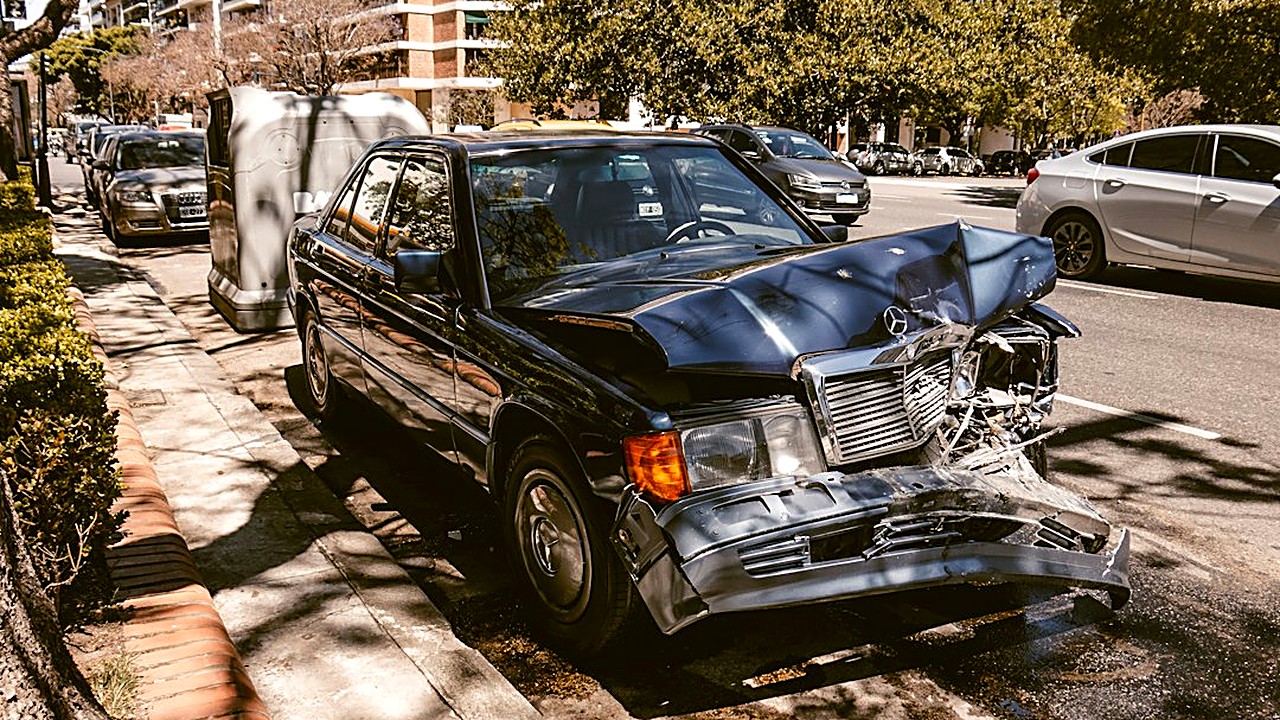
Quick answer: Your insurance company does not choose your deductible after a fender bender. You picked it when you bought the policy. What gets decided after the accident is who was at fault and which coverage pays, and that decides whether your deductible applies at all.↗ Share on X
Your insurance company does not decide your deductible after a fender bender. You chose that number, for example $500 or $1,000, when you bought or renewed your policy, and it is printed on your declarations page. What the insurer decides after the accident is who was at fault and which coverage pays. Those two answers tell you whether you pay your deductible, whether you get it back later, or whether it doesn't apply to you at all.
This article explains how that works in plain words, with the most common situations laid out in a table. Rules differ by state and by policy, so treat this as a map, not legal advice.
What is a deductible, in simple terms?
 New Car, New Deductible? How to Pick $500 or $1,000 →
 How Insurers Check Your Annual Mileage (and What to Do) →
 Car Totaled? How Adjusters Calculate Your Payout (ACV) →
A deductible is the part of a repair bill you pay yourself before your insurance pays the rest.
Example: your car needs $2,300 of repairs. Your collision deductible is $500. You pay $500 to the repair shop, and your insurer pays $1,800.
Three things to know:
- It applies per claim, not per year. Two separate accidents usually mean two deductibles.
- It only applies to coverage for your own car. Mainly collision and comprehensive.
- Liability coverage has no deductible for you. Liability is the part that pays for damage you cause to *other* people's cars or bodies.
Clear money tips in your inbox. No hype.
Where do I find my deductible?
Affiliate link. We may earn a commission on purchases, at no extra cost to you.
This content is informational and is not investment advice or financial consulting.
Look at your declarations page. It is usually the first page or two of your policy, and most insurers also show it in their app or online account. You will see separate lines like:
| Coverage | What it pays for | Deductible? |
|---|---|---|
| Liability (bodily injury and property damage) | Damage you cause to others | No |
| Collision | Damage to your car from hitting a car or object | Yes |
| Comprehensive | Theft, hail, fire, hitting a deer | Yes |
| Uninsured/underinsured motorist property damage | Your car, when the at-fault driver has no or too little insurance | Sometimes, often a small one |
If you don't see a "Collision" line, you may not have collision coverage. In that case, your own policy won't pay to fix your car after a crash you caused.
How does the insurer decide who was at fault?
 Why a Higher Deductible Barely Lowers Your Car Insurance →
 Life Insurance Basics: Know Before Buying First Policy →
 Moving Abroad for Good? What Happens to Your Insurance →
After you report the accident, a claims adjuster reviews the facts. An adjuster is the person the insurer assigns to investigate and settle the claim. They usually look at:
1. The police report, if one was filed.
2. Statements from you, the other driver, and any witnesses.
3. Photos of the damage and the scene. Where the cars were hit matters. Damage to the back of a car often points to the car behind.
4. Traffic laws in your state, such as who had the right of way.
5. Dashcam or camera footage, when available.
Fault can be split. In many states, an adjuster can decide one driver is 70% at fault and the other 30%. How that split affects payment depends on your state's rules.
Who pays the deductible in common fender bender cases?
Here are the six situations people run into most often:
| Situation | Who usually pays for your repairs | Do you pay your deductible? |
|---|---|---|
| The other driver was fully at fault and has insurance | Their liability coverage | Usually no, if you claim through their insurer |
| Other driver at fault, but you claim through your own collision to get repaired faster | Your insurer first, then it tries to recover the money | Yes at first; you may get it back later |
| You were at fault | Your collision coverage (if you have it) | Yes |
| Fault is shared | Depends on the percentage and your state's rules | Often yes, sometimes partly refunded |
| Hit-and-run or uninsured driver | Your uninsured motorist property damage or collision coverage | Depends on your state and policy |
| You live in a no-fault state | Injury claims go through your own policy; car damage is still usually based on fault | Depends on the case |
The second row confuses a lot of people, so let's look at it closely.
What is subrogation, and how do I get my deductible back?
Subrogation is a long word for a simple idea: your insurer pays you first, then goes after the at-fault driver's insurer to get its money back.
Here is how it usually plays out:
1. You file a claim with your own insurer under collision coverage.
2. You pay your deductible, say $500, to the repair shop.
3. Your insurer pays the rest and then asks the other driver's insurer to repay it.
4. If your insurer wins or settles, it typically includes your deductible in what it recovers and sends it back to you.
Some points to keep in mind:
- This can take weeks or months.
- If fault is shared, you may only get part of your deductible back.
- If the other driver has no insurance, recovery may not happen.
Ask your adjuster directly: "Are you pursuing subrogation, and will my deductible be included?" Write down the answer and the date.
Should I claim through my insurer or the other driver's?
Both paths are possible when the other driver is clearly at fault.
Claiming through the other driver's insurer (a "third-party claim"):
- You usually pay no deductible.
- It may be slower if their insurer disputes fault.
- They work for their own customer, not for you.
Claiming through your own insurer (a "first-party claim"):
- Often faster to get the car fixed.
- You pay your deductible upfront.
- You can get it back through subrogation if fault goes against the other driver.
There is no single right answer. If you need your car quickly and can afford the deductible for a while, your own insurer may be easier. If money is tight, waiting for the other insurer may make more sense.
Is it worth filing a claim for a small fender bender at all?
Sometimes it isn't. If you were at fault and the damage is close to your deductible, the claim may not pay you much, and an at-fault claim can affect your premium at renewal.
A quick way to think about it:
1. Get a written repair estimate.
2. Subtract your deductible.
3. Compare what's left to the possible premium increase over the next few years. Your agent can give you an idea of how an at-fault claim usually affects rates with that insurer.
Example: the repair costs $750 and your deductible is $500. The claim would pay $250. If a rate increase would cost you more than that over time, paying out of pocket may be cheaper.
Important exception: if anyone might be hurt, even slightly, or the other driver might file a claim against you, report the accident to your insurer anyway. Most policies require you to report accidents promptly, even if you don't plan to claim. Not reporting can cause problems if the other driver comes after you later.
Can I change my deductible after the accident?
You can usually change your deductible for the future, but not for an accident that already happened. The deductible in force on the day of the crash is the one that applies.
When choosing a deductible for the future:
- A higher deductible (like $1,000) usually lowers your premium, but you pay more when something happens.
- A lower deductible (like $250) costs more each month, but less at claim time.
- A simple rule of thumb: choose a deductible you could pay tomorrow from savings without borrowing.
What should I do right after a fender bender?
Follow these steps in order:
1. Make sure everyone is safe. Call 911 if anyone is hurt.
2. Move to a safe spot if your state allows it and the cars can drive.
3. Exchange names, phone numbers, insurance company names, and policy numbers.
4. Take photos of both cars, license plates, the road, and any traffic signs.
5. Get names and numbers of witnesses.
6. Call the police if your state requires a report for the damage amount, or if the other driver won't cooperate.
7. Don't argue about fault at the scene and don't sign anything except what police give you.
8. Report the accident to your insurer as soon as possible.
When should I get professional help?
Talk to your insurance agent first for any question about your own policy. They can tell you exactly what your coverage pays.
Talk to a licensed attorney if:
- someone was injured, even with minor pain that showed up later;
- the other insurer denies fault and you disagree;
- the damage is large and the other driver has little or no insurance;
- you receive any legal papers.
Your state's department of insurance also takes complaints if you believe a claim is being handled unfairly. This article is general information and can't replace advice about your specific policy or state law.
Your next step today
Open your insurer's app or find your declarations page and write down three numbers: your collision deductible, your comprehensive deductible, and whether you have uninsured motorist property damage coverage. Save them in your phone with your insurer's claims phone number. If the deductible is more than you could pay tomorrow, call your agent and ask what the premium would be with a lower one.
FAQ
Does the insurance company choose my deductible after an accident?
No. You chose your deductible when you bought or renewed the policy. After the accident, the insurer decides fault and which coverage applies, and that decides whether you pay the deductible.
Do I pay a deductible if the other driver was at fault?
Usually not if you claim through the other driver's insurance. If you claim through your own collision coverage, you pay it first and may get it back later through subrogation.
Does liability coverage have a deductible?
Generally no. Liability pays for damage you cause to others, and you do not pay a deductible on that part of the policy.
Should I file a claim for a small fender bender?
It depends on fault, repair cost, and possible premium changes. Even if you pay yourself, many policies require you to report the accident, especially if anyone could be hurt. Ask your agent before deciding.
Clear money tips in your inbox. No hype.
Educational content, not personalized financial advice. Sources cited where applicable.