How to Compare Car Insurance Quotes Without Spam Calls


Quick answer: The flood of calls comes from lead-selling comparison sites, not from shopping itself. Quote three to five carriers directly on their own websites, use a second phone number and a quote-only email address, and never click a consent box that mentions marketing partners or automated calls. Keep the same limits and deductibles across every quote so the comparison is real.↗ Share on X
The phone calls do not come from shopping for car insurance. They come from one specific thing: typing your real phone number into a comparison website that is a lead seller instead of an actual insurance company. Those sites make money by selling your contact information to dozens of agents at once, and the checkbox you clicked gave them written permission to call and text you. You can compare rates from three or four companies without any of that by going straight to each carrier's own quote page, using a second phone number for the ones that demand a phone number, and never clicking a box that mentions "marketing partners." Below is the exact order to do it in, and how to tell a real insurer's site from a lead farm in about ten seconds.
Why does one quote form turn into forty phone calls?
 Raising Your Deductible: When It Saves and When It Hurts →
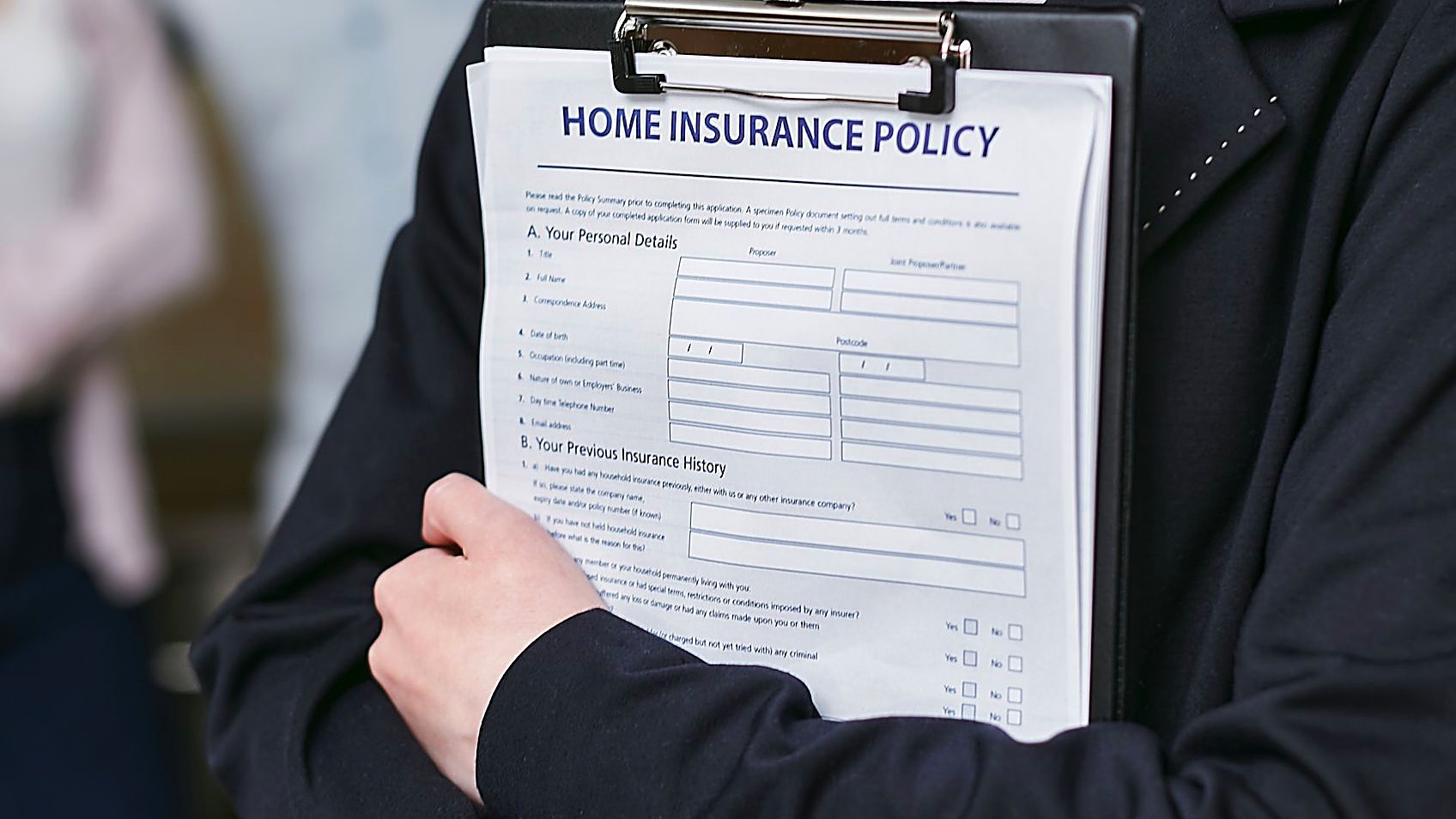 Should you raise your deductible? Run this math first →
 How High a Car Insurance Deductible Should You Pick? →
A comparison site that is not itself an insurance company has only one product to sell: you. When you submit the form, your name, phone, ZIP code and car details get sold as a "lead," sometimes to a single agent, sometimes to twenty of them simultaneously. Each buyer can legally call you because of the consent language sitting under the submit button.
That language usually reads something like: by clicking, you agree to be contacted by us and our marketing partners at the number provided, including by automated dialing, even if that number is on a Do Not Call list. That last clause is the important one. The federal Do Not Call registry does not protect you once you have given written consent to a specific business, and clicking that button counts as written consent.
So the rule is simple. The problem is not comparing. The problem is consenting.
Clear money tips in your inbox. No hype.
How do you tell a real carrier's site from a lead farm?
Affiliate link. We may earn a commission on purchases, at no extra cost to you.
This content is informational and is not investment advice or financial consulting.
Do these three checks before you type anything:
1. Read the fine print under the submit button. If it names "partners," "affiliates," "up to X agents," or mentions automated calls and texts, it is a lead form. A carrier quoting its own product does not need permission to call on behalf of anyone else.
2. Look for a license line in the footer. Real insurers and real licensed brokers list a company legal name and often a license number. Lead sites usually list a marketing LLC with a name that sounds like a magazine.
3. Check whether the price appears on screen. If the form promises that "an agent will contact you with your rate" instead of showing a number on the page, it is not a quote engine. It is an appointment generator.
A genuine insurance quote can be produced by a computer in under five minutes. Nobody has to call you to tell you a price.
What information should you have ready before you start?
 Quick Guide: How Insurance Works When Time Is Tight Fast and Simple →
 Does Bundling Renters and Auto Insurance Save You Money? →
 How Bundling Home and Auto Insurance Cuts Your Premiums →
Gathering this first is what makes the whole thing take one evening instead of three. Quoting the same details to every company is also the only way the comparison means anything, since changing your deductible between quotes makes the cheaper one look cheaper for the wrong reason.
| What you need | Where to find it |
|---|---|
| Your current declarations page | The PDF your insurer emailed at renewal, or your online account |
| VIN for each car | Driver-side dashboard through the windshield, or your registration |
| Driver's license number for every driver in the house | The license itself |
| Approximate annual mileage per car | Odometer now minus odometer a year ago, or estimate the daily commute times 250 |
| Dates of any accidents or tickets in the last five years | Your memory, or your state driving record |
| The exact coverage limits you have now | Declarations page, written like 100/300/100 |
That declarations page is the single most useful document. It lists your current limits, deductibles and the premium you are paying. Without it you are guessing at what you already own, and guessing is how people accidentally "save money" by buying much thinner coverage.
What do the coverage numbers actually mean?
You will see limits written as three numbers, like 50/100/50 or 100/300/100. In thousands of dollars, they mean:
- First number: the most the policy pays for injuries to any one person you hurt in an at-fault crash.
- Second number: the most it pays for all injuries in that one crash combined.
- Third number: the most it pays for the other person's property, usually their vehicle.
Your deductible is separate. That is the amount you pay out of your own pocket before the insurer pays to fix your own car. Raising a deductible lowers the premium, but only take that trade if you could actually write that check tomorrow without borrowing.
Two coverages worth asking about by name, because they are cheap relative to what they do: uninsured and underinsured motorist, which covers you when the person who hit you has no policy or a tiny one, and medical payments coverage. Requirements and availability differ by state, so ask each quoting company what applies where you live.
What are the steps to compare without the calls?
1. Set up a burner contact pair. Create a free email address used only for quotes, and get a second phone number from a free calling app. Real carriers may need to verify a phone number; you just do not want that number to be the one your kid's school calls.
2. Write your target coverage on a sticky note. For example: 100/300/100, $500 collision deductible, $500 comprehensive deductible, uninsured motorist matching liability. Every quote uses these exact numbers.
3. Quote three to five companies directly on their own sites. Include at least one large national insurer, one that sells only direct with no agents, and one regional or member-based company if one operates in your state. Save each final price as a screenshot.
4. Call one independent agent, by phone, that you chose yourself. An independent agent quotes several carriers you cannot reach directly. You called them, so there is no lead sale and no consent box.
5. Ask each one the same three discount questions: Do you offer a discount for paying the six-month premium in full? For setting up automatic payments? For a telematics or safe-driving app? Discounts are not applied automatically if you never mention them.
6. Compare on the same line of the declarations page, not the headline price. Put the five quotes side by side with limits and deductibles visible. A price that is much lower almost always has a thinner number somewhere.
7. Check the service side before switching. Look up each company's complaint record with your state's department of insurance, which publishes this for free. Price is only half of what you are buying; the other half is what happens the day you file a claim.
8. Time the switch. Shop about three to four weeks before your renewal date, and never let the old policy lapse before the new one starts. Even a one-day gap in coverage can raise what every company charges you afterward.
What if the calls have already started?
- Answer once, say clearly "put me on your internal do-not-call list and remove my number," and note the date. That request is a legal obligation for the caller, and repeating it in writing helps if you ever complain.
- Reply STOP to the text messages. For legitimate marketing texts this works; for outright scam texts, do not reply at all, just block.
- Register the number on the national Do Not Call registry anyway. It will not stop companies you already consented to, but it stops new ones.
- File a complaint with the Federal Trade Commission and with your state attorney general if calls continue after you asked them to stop. Complaints are what build the case against repeat offenders.
- Let unknown numbers go to voicemail for two weeks. Lead lists go stale when nobody picks up.
When should you talk to a licensed professional instead?
Go to a licensed agent or broker, not a website, when your situation has a wrinkle a form cannot handle: a teenage driver joining the policy, a recent DUI or several tickets, a vehicle used for delivery or rideshare work, a car worth substantially more than average, or an umbrella policy question. Nothing here is personalized insurance advice, and no article can tell you what the right coverage is for your household. A licensed agent in your state, or your state's department of insurance consumer help line, can review your specific situation at no cost to you.
Your next step
Pull up your current declarations page tonight and write these four things on a sticky note: your liability limits, your collision deductible, your comprehensive deductible, and the premium you pay per six months. That note takes five minutes to make and turns a confusing comparison into a simple one. Tomorrow, quote one company directly on its own site using those exact numbers. If the price on screen beats what is on your sticky note, you have your first real data point, and you got it without giving a single lead seller your phone number.
FAQ
Is it bad for my credit to get multiple insurance quotes?
Insurance quotes typically involve a soft inquiry rather than the hard pull used for loans, so gathering several quotes is not treated the same way as applying for credit. Many states allow insurers to use a credit-based insurance score in pricing, and a few restrict it. Ask each company directly whether it pulls credit and what kind of inquiry it uses.
How often should I compare car insurance rates?
A reasonable habit is once a year, about three to four weeks before your renewal date, plus any time your situation changes: moving to a new ZIP code, adding or removing a driver, buying a different car, paying off a car loan, or having an old ticket or accident age off your record. Those changes can move your price more than loyalty ever will.
Why is the cheapest quote sometimes a bad deal?
A lower price usually means a thinner number somewhere: lower liability limits, a much higher deductible, or dropped coverages such as uninsured motorist or rental reimbursement. Compare quotes line by line against your current declarations page, and check the company's complaint record with your state department of insurance before switching.
Clear money tips in your inbox. No hype.
Educational content, not personalized financial advice. Sources cited where applicable.