Got a Windfall? Use It Without Wrecking Your Savings Plan

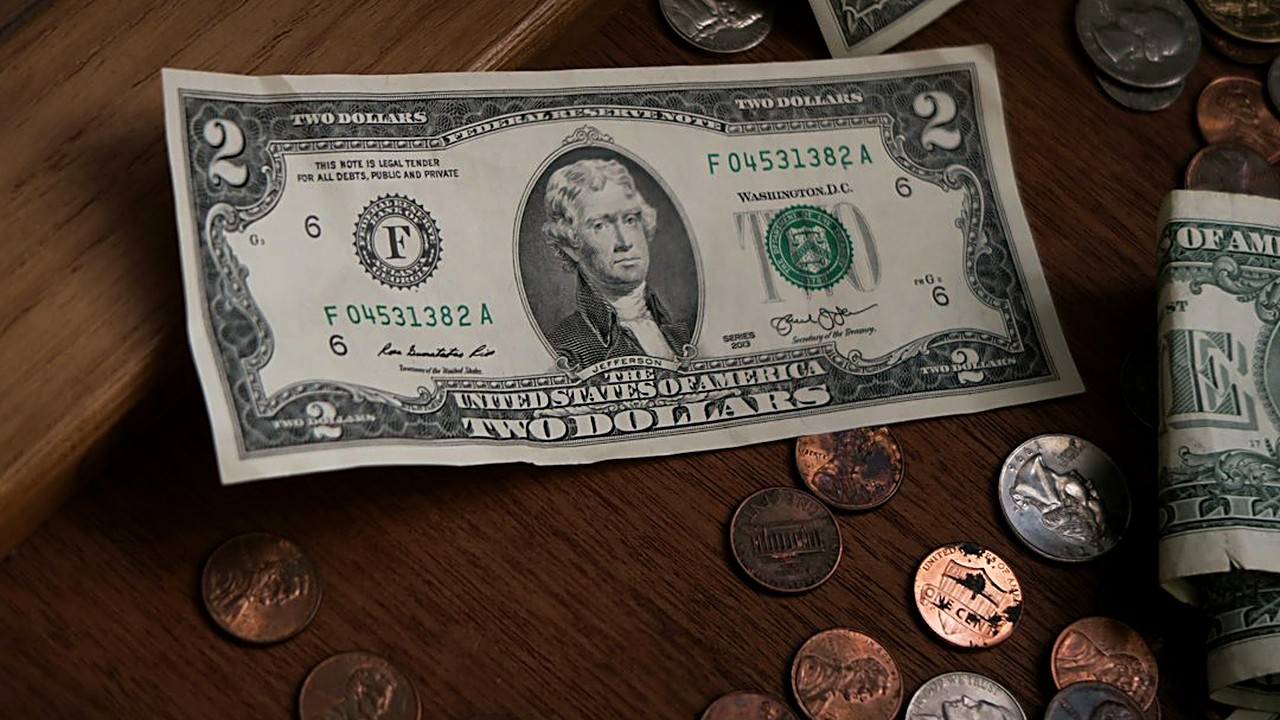
Quick answer: When unexpected money arrives, park it in a separate savings account for a few weeks before spending any of it. Then use it in this order: cover urgent bills, build or refill your emergency fund, pay off high-interest debt, add to long-term savings, and keep a small slice for fun. For large amounts like an inheritance or legal settlement, talk to a tax professional or fee-only financial planner first.↗ Share on X
The safest way to handle unexpected money is to wait before you spend it, then give every dollar a job in a set order: urgent bills first, then your emergency fund, then high-interest debt, then long-term savings, and finally a small, planned amount for fun. Put the money in a separate savings account the day it arrives and give yourself a few weeks to decide. That pause alone stops most of the impulse spending that turns a windfall into nothing.
This article walks you through each step, shows example splits for different amounts, and tells you when to bring in a professional.
Disclaimer: This article is general educational information, not personalized financial, tax, investment or legal advice. Everyone's situation is different, and results may vary. Before making major decisions with a large sum of money, consider talking to a licensed tax professional or a fee-only financial planner.
What counts as a windfall?
 Debt-to-Income Ratio: How to Calculate It and Lower It →
 Savings Rate on a Tight Budget: How to Find Yours in 5 Min →
 Your True Cost of Living: Add the Bills You Forget Each Year →
A windfall is any money you did not plan for in your regular budget. Common examples:
- A work bonus or commission check
- A tax refund
- A cash gift for a birthday, wedding or graduation
- An inheritance
- A legal settlement or insurance payout
- Money from selling a car or something else of value
- A small lottery or contest prize
The amount does not have to be big. A $600 tax refund can do just as much damage to your plans as a $20,000 inheritance if it gets spent without thinking.
Clear money tips in your inbox. No hype.
Why does unexpected money often disappear so fast?
Affiliate link. We may earn a commission on purchases, at no extra cost to you.
This content is informational and is not investment advice or financial consulting.
Money that shows up without effort feels like "extra." People tend to treat it as play money, even when they have bills, debt or no savings. A few patterns cause most of the trouble:
- Lifestyle creep. You upgrade your phone, car or apartment, and the new monthly cost lasts long after the windfall is gone.
- Small leaks. Dozens of little purchases add up, and you cannot say where the money went.
- Pressure from others. Friends or family hear about the money and ask for help or loans.
- No plan. Without a set order, every decision is made on the spot, usually in favor of spending.
The plan below is built to block each of these.
Step 1: Why should you park the money and wait?
 Surprise Medical Bill? 7 Steps That Protect Your Budget →
 Moving Your Emergency Fund to a New Bank Without a Cash Gap →
 True Net Worth: What to Count and What to Leave Out →
The day the money lands, move all of it into a separate savings account that is not connected to your debit card. A high-yield savings account at a federally insured bank or credit union works well. You earn a little interest and the money is safe.
Then set a waiting period:
| Windfall size | Suggested waiting period |
|---|---|
| Under $1,000 | 1 to 2 weeks |
| $1,000 to $10,000 | 2 to 4 weeks |
| Over $10,000 | 1 to 3 months, and talk to a professional |
During the wait, do not make big purchases, promise money to anyone or quit your job. Just write down your current bills, debts and goals.
Step 2: Which bills should come first?
Before thinking about the future, make sure your present is covered. Use the windfall to catch up on anything that could cause serious harm if left unpaid:
1. Past-due rent or mortgage
2. Past-due utilities (electricity, water, heat)
3. Past-due car payment, if you need the car for work
4. Overdue medical bills that have gone to collections
5. Required insurance premiums
If none of these apply to you, skip to Step 3.
Step 3: How big should your emergency fund be?
An emergency fund is money set aside only for real surprises: a job loss, a car repair, a medical bill. A common target is three to six months of essential expenses. Essential means rent, food, utilities, transportation, insurance and minimum debt payments, not everything you spend.
If that number feels far away, start with a smaller first goal of $1,000 to $2,000. A windfall is one of the fastest ways to build or refill this cushion.
Keep the emergency fund in a savings account you can reach within a day or two, not in the stock market, because its job is to be there when you need it.
Step 4: Which debts should you pay off with a windfall?
Paying off high-interest debt is one of the most reliable ways to improve your finances, because every dollar you pay stops costing you interest.
Order your debts from highest interest rate to lowest:
1. Payday loans and title loans
2. Credit cards
3. Personal loans and store financing
4. Car loans
5. Student loans
6. Mortgage
As a rough guide, many planners suggest focusing on any debt with an interest rate above about 7 to 8 percent before investing extra money. Lower-rate debts, like many mortgages, can usually stay on their normal payment schedule.
Tip: After you pay off a credit card, do not close it right away if it has no annual fee. Just stop using it, or use it for one small bill you pay in full each month.
Step 5: How do you add the rest to long-term savings?
Once bills, the emergency fund and expensive debt are handled, the rest can go toward long-term goals. Common options in the U.S.:
- Workplace retirement plan (401(k) or 403(b)). You cannot deposit a lump sum directly, but you can raise the percentage taken from each paycheck and use the windfall to cover the gap in your take-home pay. At minimum, contribute enough to get any employer match.
- Individual Retirement Account (IRA). You can deposit money directly, up to the yearly limit set by the IRS. Check the current limit on IRS.gov, because it changes.
- Health Savings Account (HSA). Only available if you have a qualifying high-deductible health plan. It can be used for medical costs now or saved for later.
- Savings for a specific goal. A down payment, a car you will need in two years or job training. Keep money you need within about five years in savings, not stocks.
Investing in the stock market can grow money over many years, but values go up and down and you can lose money. If you are not sure what fits you, a fee-only financial planner (someone you pay directly, who does not earn commissions on products) can help.
Step 6: How much should you keep for fun?
Spending some of the money is not a failure. It is part of a plan that works. If you lock away every dollar, you are more likely to break the plan later.
A simple rule: pick a fixed share, often 5 to 10 percent, decide exactly what it is for, and stop there. Choose something you will remember, like a trip, a family dinner or a repair you have been putting off, rather than a pile of small purchases.
What does a windfall plan look like in real numbers?
Here are three examples. Your own split depends on your situation.
| Situation | Windfall | Example split |
|---|---|---|
| Behind on bills, no savings | $1,500 tax refund | $500 past-due utility, $850 emergency fund, $150 fun |
| Credit card debt, small savings | $5,000 bonus (after tax) | $1,000 emergency fund, $3,500 credit card, $500 fun |
| No debt, full emergency fund | $20,000 inheritance | $15,000 retirement and goal savings, $3,000 home repair, $2,000 fun |
In each case, the boring jobs are handled before the fun one.
When should you talk to a professional?
Get help before you spend if:
- the amount is large compared with your yearly income;
- it is an inheritance, settlement, lottery win or the sale of a property, because tax rules differ and can be complicated;
- you receive a retirement account from someone who died (inherited IRAs have specific withdrawal rules);
- you are thinking about quitting your job, starting a business or buying a home with the money;
- family members are asking for loans.
A tax professional (a CPA or an enrolled agent) can tell you what you may owe. A fee-only financial planner can help you build a plan. Be cautious with anyone who contacts you first after hearing about your money, or who pushes a product right away.
What mistakes should you avoid?
- Telling everyone. Share the news with only the people who need to know.
- Lending money you cannot afford to lose. If you help someone, treat it as a gift you may not get back.
- Signing up for new monthly costs. A new car payment lasts years after the windfall is gone.
- Investing in something you do not understand, especially if someone promises fast or easy returns.
- Forgetting about taxes on bonuses, prizes and some settlements.
Your next step
Today, open a separate savings account if you do not have one, and move the money there. Then write three lists on one sheet of paper: bills that are past due, debts with their interest rates, and your emergency fund balance. When your waiting period ends, go down Steps 2 to 6 in order and give every dollar a job. If the amount is large or the tax situation is unclear, book a session with a tax professional or fee-only planner before you move the money anywhere else.
*This content is for information only and may not fit your specific situation. It does not replace advice from a qualified financial or tax professional.*
FAQ
Should I spend any of my windfall on fun?
Yes, a small, planned slice is fine and helps you stick to the rest of the plan. Many people pick a fixed share, such as 5 to 10 percent, decide what it is for, and stop there.
Is a tax refund really a windfall?
It feels like one, but it is your own money that was over-withheld during the year. Treat it with the same plan as any other lump sum, and consider adjusting your withholding so more money reaches your paycheck next year.
Do I have to pay taxes on an inheritance or a bonus?
A bonus is taxed as income. Inheritances, gifts, lottery wins and legal settlements each follow different rules depending on the amount and where you live. Ask a tax professional before you spend a large sum.
Where should I keep the money while I decide?
In a separate, federally insured savings account, ideally a high-yield one, that is not linked to your debit card. That keeps it safe, easy to reach and out of your everyday spending.
Clear money tips in your inbox. No hype.
Educational content, not personalized financial advice. Sources cited where applicable.