How Adjusters Check Your Annual Mileage After an Accident

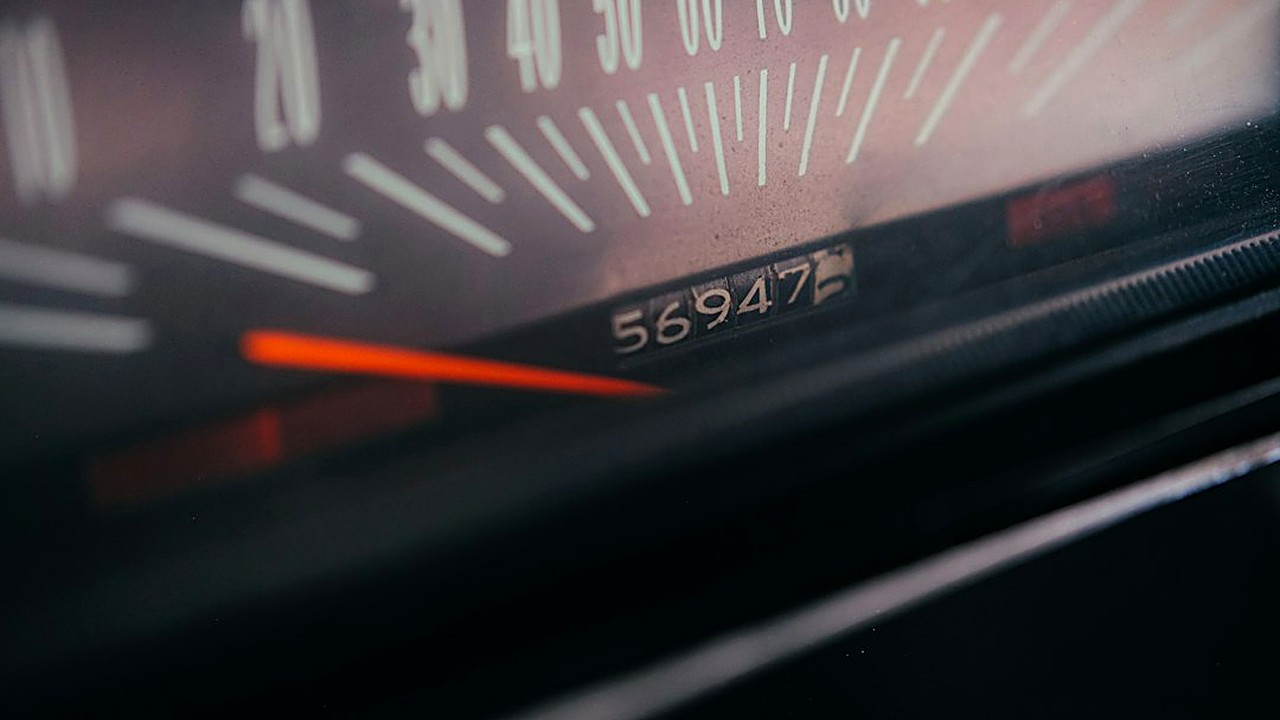
Quick answer: After an accident, a claims adjuster may compare the mileage you reported on your policy with real evidence: the odometer reading in photos or the repair estimate, past service and oil-change records, state inspection or registration records, vehicle history reports, and telematics data if you use a driving app or device. If the numbers are far apart, the insurer may adjust your premium, ask for back premium, or in serious cases question the claim.↗ Share on X
After an accident, a claims adjuster (the person who reviews your claim for the insurance company) may check whether the yearly mileage you reported matches how you really use your car. They usually do this by comparing the mileage on your policy with hard evidence: the odometer reading recorded in photos or the repair estimate, past oil-change and service records, state inspection or registration records, vehicle history reports, and, if you use one, your insurer's telematics app or plug-in device (a tool that records how far and how you drive). Small honest differences are common. Big gaps can lead to a premium change, a bill for back premium, or, in serious cases, questions about the claim itself.
Below is what adjusters look at, why mileage matters to them, and what you can do to avoid problems.
Why does annual mileage matter to an insurance company?
 Term Life Insurance With a Health Condition: What to Expect →
 How Insurers Price Jewelry, Art and Other Valuables Coverage →
 Auto Insurance Declarations Page: 7 Sections to Check Now →
The more you drive, the more time you spend on the road, and the more chances there are for an accident. That is why many insurers ask for your estimated annual mileage, or how far you drive to work or school, when you buy a policy. Lower mileage often means a lower premium. Some insurers also ask what the car is used for: commuting, pleasure, or business.
Because mileage affects price, insurers have a reason to check it, especially when a claim is filed. An adjuster's job is to confirm the facts of the loss and make sure the policy was priced on accurate information.
Clear money tips in your inbox. No hype.
Where do adjusters get the real mileage?
Affiliate link. We may earn a commission on purchases, at no extra cost to you.
This content is informational and is not investment advice or financial consulting.
Adjusters use several sources. Not every claim gets checked in detail, and which sources are used depends on the insurer, the state, and the size of the claim. These are the common ones:
| Source | What it shows |
|---|---|
| Odometer reading at the claim | Current miles, often captured in photos or in the repair shop's estimate |
| Repair shop and body shop records | Odometer reading when the car came in |
| Oil changes and service records | Miles at each visit, which shows how fast miles add up |
| State inspection or emissions records | Odometer readings in states that require inspections |
| Registration and title records | Odometer readings at sale or transfer |
| Vehicle history reports | Combined mileage readings from many sources over time |
| Telematics app or device | Actual miles driven, if you enrolled in a usage-based program |
| Your recorded statement | What you say about your commute and how you use the car |
How do they turn those records into a yearly number?
 Not at Fault in a Crash? Who Pays Your Car Deductible →
 How Life Insurers Use Your BMI to Set Your Rate Class →
 Total Loss Claim: How Adjusters Check Your Home Inventory →
The math is simple. The adjuster takes two odometer readings with dates and divides the difference by the time between them.
Example:
1. An oil-change receipt from 12 months before the crash shows 40,000 miles.
2. The repair estimate after the crash shows 58,000 miles.
3. That is 18,000 miles in one year.
If the policy says the car is driven 7,500 miles a year, there is a big gap. If the policy says 15,000, the gap is much smaller and may be treated as a normal estimating difference.
Adjusters may also look at your commute. If you told the insurer you drive 5 miles to work, but your recorded statement mentions a 40-mile commute, that difference may get noticed.
What is the recorded statement and how does mileage come up?
After an accident, the insurer may ask for a recorded statement, a phone or in-person interview that is recorded. Questions can include:
- Where were you going when the accident happened?
- How often do you drive this route?
- How far is your commute?
- Do you use the car for work, deliveries, or ride-sharing?
- Who else drives the car?
Answer honestly and stick to facts you know. If you do not know an exact number, say so and give your best estimate. Do not guess just to fill a silence. You can ask to see or get a copy of your statement, depending on your insurer and state rules.
Does driving for work or delivery apps change things?
Yes, and this is a common source of trouble. Many personal auto policies limit or exclude coverage when you are using the car to carry passengers or deliver goods for pay, unless you have added the right coverage (sometimes called a rideshare or business-use endorsement). Delivery and rideshare driving also tends to add a lot of miles.
If you started driving for an app after you bought your policy, tell your insurer and ask what coverage you need. Finding out after a crash is much harder.
What happens if the mileage doesn't match?
The outcome depends on how big the gap is, whether it looks honest or intentional, your policy wording, and your state's laws. Possible results include:
1. No action. A small difference is often treated as normal, since mileage is an estimate.
2. Premium change going forward. The insurer updates your mileage and charges a new rate at renewal.
3. Back premium. The insurer may bill you for the difference between what you paid and what you would have paid with accurate mileage.
4. Policy changes or non-renewal. The insurer may decide not to renew your policy.
5. Claim questions or denial in serious cases. If the insurer believes you made a material misrepresentation (a false statement that would have changed whether or how they insured you), the claim or even the policy can be challenged. Many states set rules on when insurers can do this.
If an insurer says your claim is denied or your policy is being canceled because of mileage, ask for the reason in writing and for the exact policy language they are relying on.
How can I protect myself before anything happens?
1. Estimate honestly. Check your current odometer and compare it with a reading from about a year ago, such as an oil-change sticker or receipt.
2. Update your insurer when life changes: a new job, a move, working from home, a new driver in the house, or starting gig work.
3. Keep your service records in one folder or a photo album on your phone.
4. Take a yearly odometer photo, for example on your policy renewal date. It gives you your own record.
5. Read your policy's "use" section to know what counts as business use.
6. Ask about usage-based programs if you truly drive little. Some insurers offer discounts based on real miles driven.
What should I do after an accident if I'm worried about my mileage?
- Do not change or hide anything. Tampering with an odometer or records is illegal and makes things far worse.
- Be truthful in your statement and claim forms.
- Gather your records: service receipts, inspection reports, and anything that shows how you use the car.
- Correct your mileage now if you know it was out of date. Call your agent and update it.
- Ask questions in writing if the insurer raises a mileage issue.
When should I get professional help?
If your insurer denies your claim, cancels your policy, or accuses you of misrepresentation, consider getting help. You can contact your state department of insurance, which handles consumer complaints about insurers at no cost. If a lot of money is involved or you are being accused of fraud, talk with a licensed attorney in your state who handles insurance disputes. This article is general information and not legal advice; your policy and your state's laws decide what applies to you.
Your next step
Go to your car today and take a photo of the odometer. Then find your last oil-change receipt or inspection record and work out how many miles you drove since then. Compare that number with the annual mileage on your policy declarations page (the summary page of your policy). If it is far off, call your insurer or agent this week and update it.
FAQ
Will my claim be denied if my mileage estimate was a little off?
A small, honest difference is common, because mileage is an estimate. Insurers more often adjust your premium going forward than deny a claim over it. Large differences, or signs that mileage was misstated on purpose, are treated more seriously. The rules depend on your state and your policy, so read the misrepresentation section of your policy or ask your agent.
Should I update my mileage in the middle of my policy term?
Yes, if it changed a lot, for example you started a long commute, switched to working from home, or added a delivery job. Call your insurer or agent and update it. Your premium may go up or down, but your policy will match how you really use the car.
Can the adjuster see my phone's location data?
Not automatically. Adjusters typically use data you already agreed to share, such as a telematics app or plug-in device from your insurer. In disputed or legal cases, other records can sometimes be requested through formal legal steps. If you are unsure what you agreed to, check the app's terms or ask your insurer.
Clear money tips in your inbox. No hype.
Educational content, not personalized financial advice. Sources cited where applicable.