How to Navigate Index Fund Investing When Markets Turn Turbulent

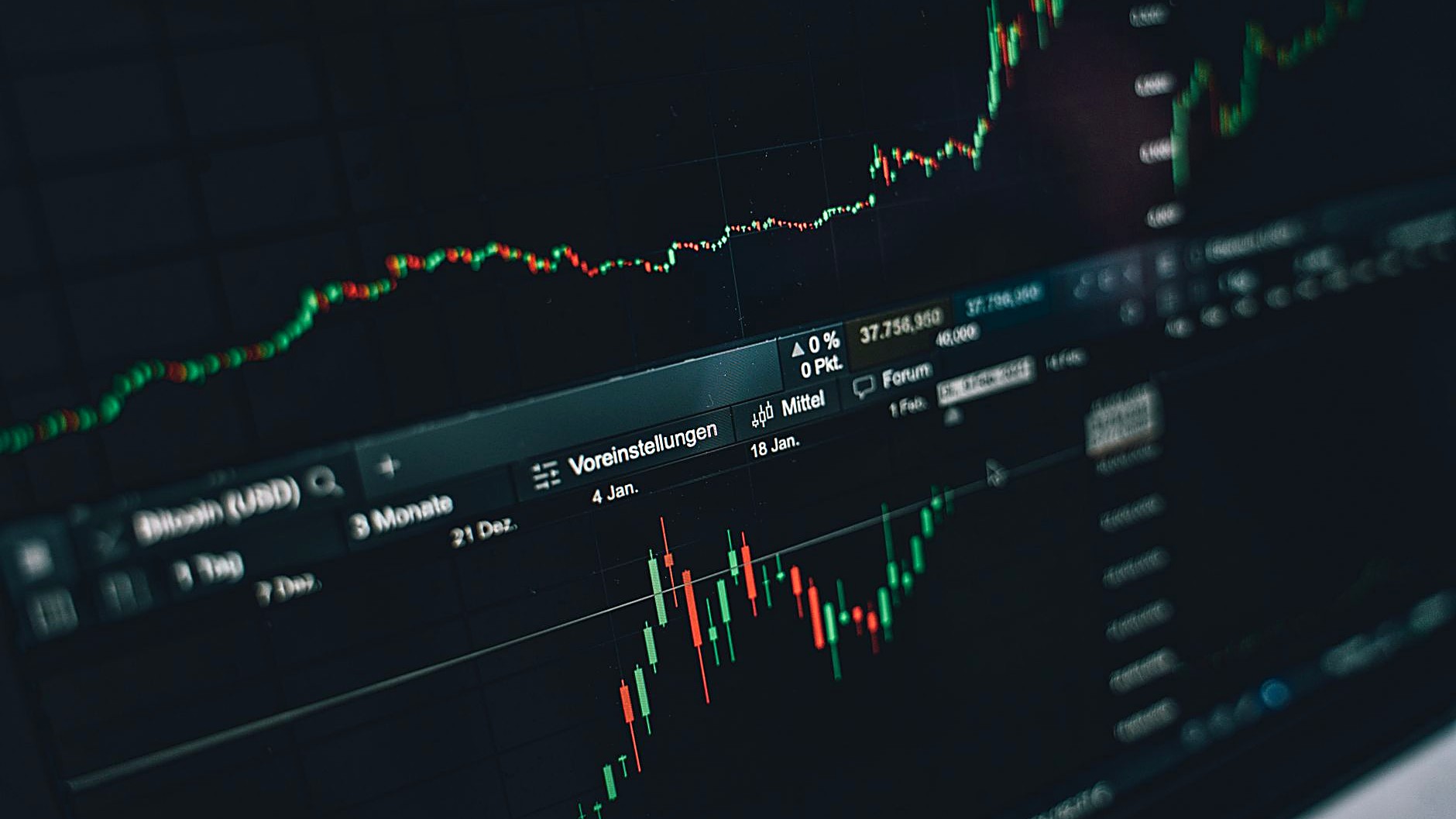
Quick answer: During volatile markets, stay calm, keep a long‑term perspective, and stick to a disciplined plan. Use dollar‑cost averaging, maintain a diversified core, and avoid timing the market. Rebalancing periodically helps lock in gains and manage risk.↗ Share on X
Understanding Why Volatility Happens
 Retirement Income From Index Funds: The 3-Step Math →
 Index Fund Myths: 8 Beliefs That Cost Beginners Money →
 13 Index Fund Mistakes Beginners Make (and Easy Fixes) →
Market swings feel unsettling, especially when a portfolio drops 10% in a few weeks. The cause is usually a mix of macro‑economic data, geopolitical events, and investor sentiment. When fear spikes, prices can move sharply, but the underlying fundamentals of the companies in an index often remain solid. That gap between price and value creates an opportunity for disciplined investors.
I learned this the hard way when a sudden correction hit my family’s 401(k) a few years ago. Instead of pulling the plug, I added to the same index fund each month. Over time the added shares lowered my average cost, and the portfolio recovered with the market. The lesson? Volatility is a condition, not a verdict.
Clear money tips in your inbox. No hype.
Stick to a Core‑And‑Satellite Framework
Affiliate link. We may earn a commission on purchases, at no extra cost to you.
This content is informational and is not investment advice or financial consulting.
A core‑and‑satellite approach separates the bulk of your holdings (the core) from smaller, tactical positions (the satellites). The core typically consists of broad‑market index funds that track the total U.S. stock market or a large‑cap blend. These funds provide exposure to thousands of companies, smoothing out the impact of any single stock’s movement.
Satellites might include sector‑specific index funds, international funds, or bond funds. During a downturn, the core remains stable while satellites can be trimmed or re‑weighted. This structure gives you flexibility without abandoning the simplicity that makes index investing attractive.
Dollar‑Cost Averaging (DCA) Works Best When You Keep It Consistent
 Rebalancing Index Funds: How to Cut the Capital Gains Tax →
 Rebalance an Index Fund Portfolio Without Selling Anything →
 Savings Rate for Retirement: How to Calculate Yours Today →
DCA means investing a fixed dollar amount at regular intervals, regardless of market price. When the market is high, your money buys fewer shares; when it’s low, you buy more. Over many cycles, the average cost per share tends to settle below the peak price.
For example, imagine you allocate $500 each month to an S&P 500 index fund. In a bull market, you might purchase 2.5 shares at $200 each. In a bear market, the same $500 could buy 5 shares at $100 each. The net effect is a lower overall cost basis, which cushions future declines.
Rebalancing: The Quiet Power of Discipline
Rebalancing restores your original asset allocation after market moves shift the weight of each component. Suppose you target 80% equities and 20% bonds. A sharp equity rally could push the equity portion to 90%, exposing you to more risk than intended. By trimming equities and adding bonds, you lock in gains and bring risk back in line with your plan.
A simple rule is to rebalance annually or when an asset class deviates by more than 5% from its target. The process is straightforward: sell the overweight portion and redirect the proceeds to the underweight portion. Many brokerage platforms offer automatic rebalancing, which removes the emotional component.
Keep an Eye on Expense Ratios, Not Just Performance
One of the biggest advantages of index funds is their low cost. Even a 0.10% difference in expense ratio can add up to thousands of dollars over a 30‑year horizon. When evaluating funds, compare the expense ratio, tracking error, and any hidden fees.
A practical tip: if two funds track the same index, choose the one with the lower expense ratio. In my own portfolio, I switched from a fund with a 0.15% fee to one with 0.05% after confirming that tracking error was negligible. The switch shaved off a noticeable amount of cost over the years.
Use Tax‑Efficient Accounts Wisely
Holding index funds in tax‑advantaged accounts—like a Roth IRA or a 401(k)—helps you avoid capital‑gain taxes on the appreciation that occurs during market rebounds. Because index funds tend to have low turnover, they generate fewer taxable events than actively managed funds.
If you have both taxable and tax‑advantaged space, consider placing the highest‑yielding index funds in the tax‑free bucket. This strategy maximizes the benefit of compounding without the drag of taxes.
Stay Grounded with a Long‑Term Horizon
Research shows that investors who remain invested over decades typically outperform those who try to time the market. The average annual return of a broad U.S. market index has historically hovered around 7‑9% after inflation. Short‑term volatility can feel dramatic, but over a 20‑year span, the market’s upward trend dominates.
A personal anecdote: during a three‑year slump, I watched my portfolio dip, yet I resisted the urge to sell. By the time the market recovered, the compounding effect of staying invested had already begun to outweigh the temporary loss.
Build an Emergency Buffer Before Adding More Capital
Before you increase contributions during a volatile period, make sure you have a cash reserve covering three to six months of living expenses. This buffer prevents you from needing to sell index fund shares at a loss if an unexpected expense arises.
Having that safety net also reduces the emotional pressure of watching a portfolio decline. It lets you invest with confidence, knowing you won’t be forced to liquidate at an inopportune moment.
Summary of Action Steps
1. Define a core‑and‑satellite allocation that matches your risk tolerance.
2. Set up automatic monthly contributions to the core index fund (DCA).
3. Review expense ratios and choose the lowest‑cost options.
4. Rebalance annually or when allocations drift beyond 5%.
5. Keep a cash emergency fund separate from your investment accounts.
6. Hold the bulk of your index fund holdings in tax‑advantaged accounts when possible.
By following these steps, you can turn market turbulence from a source of anxiety into a structured part of your investment plan.
Disclaimer: NOT a CFP, NOT a Registered Investment Advisor. Content is informational. Consult a licensed professional for specific decisions.
Frequently asked questions
Should I sell index funds when the market drops sharply?
Generally, selling reduces your long‑term growth potential. Consider adding to the fund instead, if your cash flow allows.
How often should I rebalance my index fund portfolio?
Many investors rebalance once a year or when an asset class moves more than 5% from its target allocation.
Does dollar‑cost averaging guarantee a profit?
No. DCA smooths out purchase prices over time but does not eliminate risk. It is a disciplined way to stay invested.
Are international index funds riskier during U.S. market volatility?
They can behave differently, sometimes providing a hedge. However, they also carry currency and geopolitical risks, so treat them as part of a diversified mix.
What expense ratio is considered low for an index fund?
Anything below 0.10% is typically low, but the best choice depends on the fund’s tracking error and the index it follows.
*NOT a CFP, NOT a Registered Investment Advisor. Content is informational. Consult licensed professional for specific decisions.*
Clear money tips in your inbox. No hype.
Educational content, not personalized financial advice. Sources cited where applicable.