How to Save for a Vacation Without Breaking Your Monthly Budget: Travel Smart

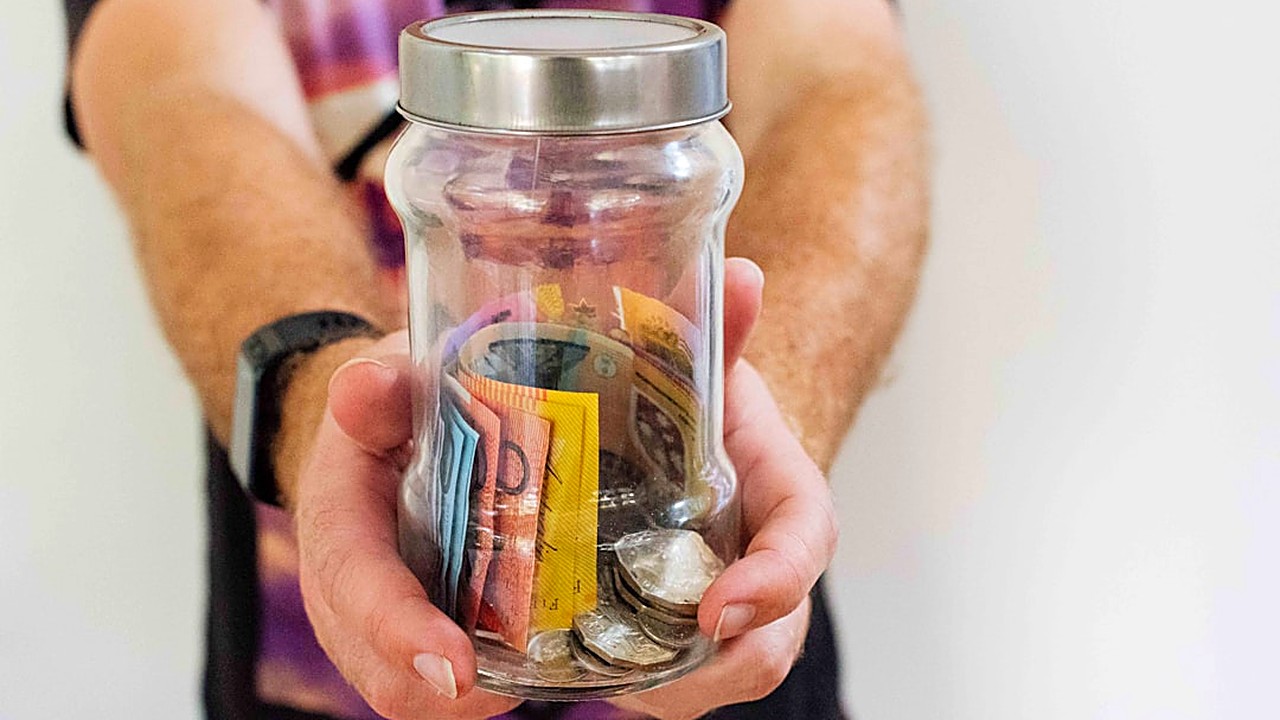
Quick answer: Start by estimating the total cost of your trip, then set a realistic timeline. Open a separate savings account, automate a modest monthly transfer, and trim non‑essential expenses or add side income. Track progress regularly and adjust as needed to stay on target without hurting your regular budget.↗ Share on X
Assess Your Vacation Goal and Cost
 Car Insurance Sinking Fund: How to Pay Your Premium in Full →
 Emergency Fund on Minimum Wage: Get to Your First $500 →
 Budgeting for Beginners: A 30-Minute Plan That Sticks →
The first step is to turn a vague wish into a concrete number. Choose a destination, decide on travel dates, and list the major line items: airfare, lodging, meals, transportation, and activities. Use reputable sites to pull average prices; for example, a week‑long trip to a coastal town often averages $1,200 for flights and $1,500 for lodging. Add a 10‑15% buffer for unexpected fees. When you see a total—say $3,000—you can reverse‑engineer how much you need to set aside each month.
Clear money tips in your inbox. No hype.
Build a Dedicated Vacation Fund
Affiliate link. We may earn a commission on purchases, at no extra cost to you.
This content is informational and is not investment advice or financial consulting.
Separate the vacation money from your everyday checking account. A high‑yield savings account or a money‑market fund works well because it earns a bit of interest while staying liquid. Decide on a contribution rate that feels comfortable—typically 5‑10% of net income. If you earn $4,500 after tax, a $250 automatic transfer each payday will get you to $3,000 in twelve months. I used this exact method when I saved for a family trip to Yosemite; the automatic debit made the process invisible, and I never missed a payment.
Trim Monthly Expenses Without Feeling Deprived
 Your First Budget: 9 Things Nobody Tells You Up Front →
 Debt-to-Income Ratio: How to Calculate It (and Lower It) →
 Mixing Business and Personal Costs on One Card? Do This →
Look for low‑hanging fruit in your budget. Cancel a streaming service you rarely watch; that alone can free $10‑$15 a month. Swap a daily coffee shop habit for a home brew; the savings add up to $100‑$150 over a quarter. Review grocery receipts and aim for a 10% reduction by planning meals, buying store brands, and using coupons. Even a modest $200 cut each month accelerates your vacation fund without sacrificing essentials.
Boost Income in Small Ways
Side income doesn’t have to be a full‑time gig. List items you no longer need on a local marketplace; a few dozen sales can generate $200‑$300 quickly. Participate in cash‑back apps for routine purchases, or take on a short freelance project that aligns with your skills. I once edited a friend’s blog for $150, and that single invoice shaved two weeks off my travel timeline.
Track Progress and Adjust
A simple spreadsheet or budgeting app can visualize how close you are to the goal. Mark each deposit, note any unexpected expenses, and compare the actual balance to the projected line. If you fall behind, revisit the expense‑trimming list or increase the automatic transfer by a small amount. Flexibility keeps the plan realistic and prevents frustration.
Keep the Experience Enjoyable
Saving should feel like a game, not a punishment. Celebrate milestones—reaching 25%, 50%, 75%—with a low‑cost treat, such as a movie night at home. Consider traveling in shoulder season; flights and hotels often drop 20%‑30% compared to peak periods. This approach preserves the excitement of the trip while honoring the budget you built.
Final Thought
Saving for a vacation without breaking your monthly budget is entirely doable when you treat the goal like any other financial priority. Define the cost, automate contributions, prune waste, add modest income, and monitor progress. The process reinforces good money habits that extend far beyond a single trip.
NOT a CFP, NOT a Registered Investment Advisor. Content is informational. Consult licensed professional for specific decisions.
Frequently asked questions
How much should I allocate each month for a vacation?
A common rule is to set aside 5‑10% of your net income. Adjust the percentage based on the total cost and the timeline you have in mind.
Is it better to use a savings account or an investment vehicle for a short‑term vacation fund?
For trips within a year or two, a high‑yield savings or money‑market account offers safety and easy access, while still earning modest interest.
Can I still save for a vacation if I have debt?
Yes, but prioritize high‑interest debt first. Once the interest rate is manageable, allocate a small, consistent amount toward your vacation fund.
What are some low‑cost ways to boost my vacation savings?
Sell unused items, take on short freelance gigs, use cash‑back apps, or negotiate bills like cable or phone plans for lower rates.
How often should I review my vacation savings plan?
Check your progress monthly. A brief review helps you spot overspending early and lets you tweak contributions before they become a problem.
*NOT a CFP, NOT a Registered Investment Advisor. Content is informational. Consult licensed professional for specific decisions.*
Clear money tips in your inbox. No hype.
Educational content, not personalized financial advice. Sources cited where applicable.