How to Save on Groceries Without Using Coupons Every Week: Smart Strategies That Last

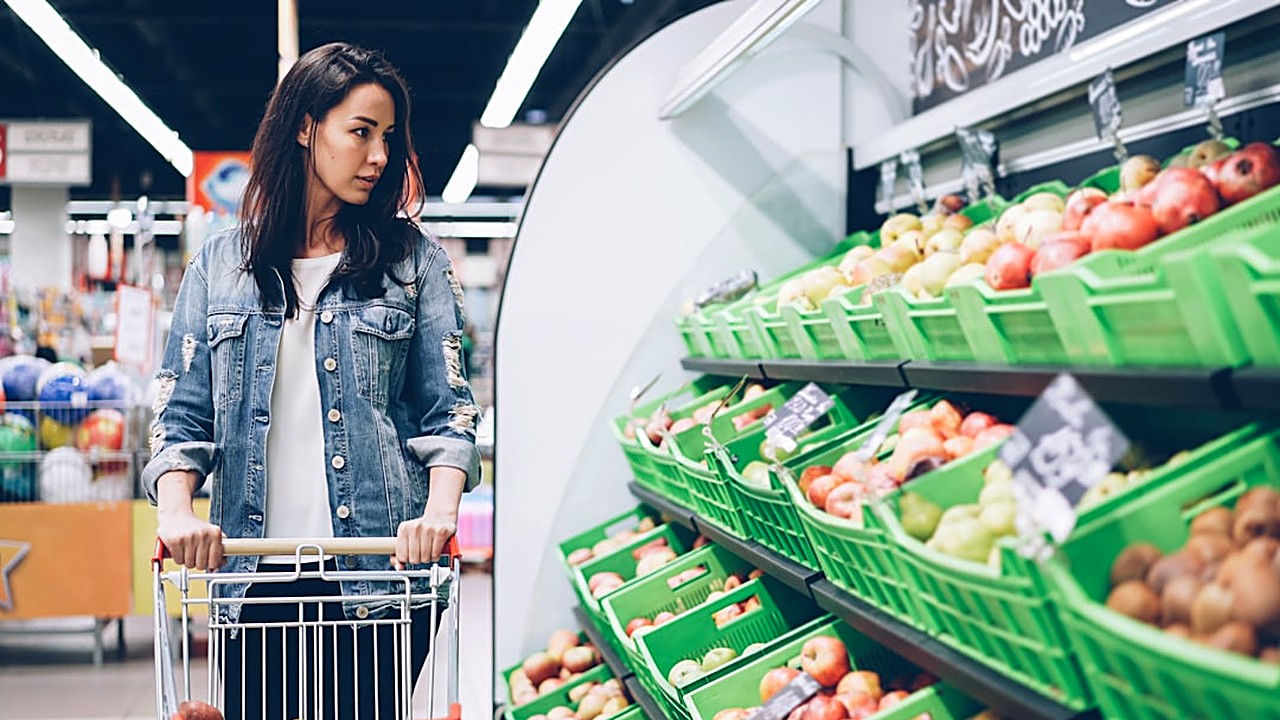
Quick answer: Skip the coupon clutter. Save on groceries by planning meals around sales, buying in bulk what you use often, and sticking to store brands. Small shifts in habits add up to big savings over time.↗ Share on X
I used to think saving on groceries meant hours of coupon clipping and chasing deals across town. Then I realized the real savings came from changing how I shopped, not just what I bought. Over the years, I’ve cut my grocery bill by 25% without ever touching a coupon. Here’s how you can do the same—no scissors required.
Build a Meal Plan Around What’s Already Cheap
 Your First Budget: 9 Things Nobody Tells You Up Front →
 Debt-to-Income Ratio: How to Calculate It (and Lower It) →
 Mixing Business and Personal Costs on One Card? Do This →
The cheapest groceries are the ones you don’t have to buy at full price. Start by checking the weekly flyers for your local stores. Look for proteins, produce, or staples on sale, then build meals around those. If chicken thighs are discounted, plan three dinners using them—stir-fry, curry, and roasted with veggies. This way, you’re not just buying what’s on sale; you’re using it before it spoils.
I once saved $40 in a month just by basing my meals on the $1.99/lb ground turkey special at my grocery store. The key is flexibility. If broccoli is cheap, swap it into recipes where you’d normally use spinach. If rice is on sale, make it the base for multiple meals. This approach turns sales into savings without extra effort.
Clear money tips in your inbox. No hype.
Buy in Bulk—But Only What You’ll Use
Affiliate link. We may earn a commission on purchases, at no extra cost to you.
This content is informational and is not investment advice or financial consulting.
Bulk buying works for non-perishables like rice, pasta, beans, and canned goods. But it backfires if you’re buying 10 pounds of quinoa just because it’s a good deal. Stick to items you eat regularly and have space to store. A 25-pound bag of flour might seem like a steal, but if you only bake once a month, it’s not saving you anything.
For perishables, bulk can still work if you freeze extras. Buy a large pack of chicken breasts, portion them into meal-sized bags, and freeze. Same with cheese—shred it and freeze for later. I’ve cut my meat costs by 30% this way, and the freezer keeps everything fresh until I need it.
Switch to Store Brands Without Sacrificing Quality
 Got Unexpected Money? A Simple Plan to Protect Your Budget →
 Saver vs. Spender: A Money Plan for Couples Who Clash →
 How to Manage Money When You Are Suddenly Living Alone →
Store brands have come a long way. In blind taste tests, many people can’t tell the difference between name brands and their store-brand counterparts. Start by switching one or two items at a time—like canned tomatoes or frozen veggies—to see if you notice a difference. Chances are, you won’t.
For staples like flour, sugar, or spices, store brands are often identical to name brands, just with different packaging. I’ve been using my grocery store’s brand for baking supplies for years, and my cookies still taste just as good. The savings add up fast, especially on items you use often.
Shop Your Pantry First
Before you even think about heading to the store, take inventory of what you already have. You’ll be surprised how many meals you can make with forgotten cans, grains, or frozen items. This not only saves money but also reduces food waste.
I keep a running list on my fridge of what’s in my pantry, freezer, and fridge. Before grocery day, I check it and plan meals around those items. Last month, I found a half-used bag of lentils and a can of diced tomatoes. That turned into a hearty soup for dinner, with no extra cost.
Master the Art of the Leftovers
Leftovers get a bad rap, but they’re one of the easiest ways to save. Cook once, eat twice—or three times. Double recipes and freeze half for another night. Turn last night’s roasted chicken into today’s chicken salad or tomorrow’s soup.
I’ve also started designating one night a week as “leftover night.” It’s a no-cook, no-spend way to use up what’s in the fridge. The kids might groan at first, but they get used to it—and so does the budget.
Shop Less Often
The more you shop, the more you spend. It’s that simple. Impulse buys add up, even if it’s just a few extra dollars each trip. Try cutting your shopping trips in half. If you usually go weekly, stretch it to every 10 days. You’ll be forced to use what you have, and you’ll avoid those last-minute “I need this now” purchases.
I switched to shopping every two weeks and saw my grocery bill drop by 15%. The trick is to plan meals that overlap ingredients. If you’re using bell peppers in three different recipes, buy them once and use them up before they go bad.
Use Cash or a Dedicated Grocery Card
It’s easy to overspend when you’re swiping a card. Try using cash for groceries instead. When the envelope is empty, you’re done shopping. No exceptions. This forces you to stick to your list and avoid impulse buys.
If cash isn’t your thing, use a dedicated debit or credit card for groceries only. Track your spending and set a hard limit. I use a separate card for groceries and set up alerts when I’m close to my budget. It’s a small step that keeps me accountable.
Grow What You Can—Even If It’s Just Herbs
You don’t need a green thumb or a backyard to save on groceries. A windowsill herb garden can cut costs on fresh herbs, which are often pricey at the store. Basil, parsley, and cilantro grow easily in small pots. If you have space, try tomatoes, lettuce, or peppers. Even a small harvest can offset a few grocery trips a year.
I started with a single basil plant and now have a small container garden on my patio. It’s not enough to feed my family, but it’s enough to add fresh flavors to meals without the store markup.
Avoid the Middle Aisles When Possible
The outer edges of the grocery store are where you’ll find the freshest, least processed foods—produce, meat, dairy. The middle aisles are often filled with processed snacks and convenience foods, which are more expensive and less healthy. Stick to the perimeter as much as possible, and you’ll naturally spend less.
Of course, some middle-aisle staples are worth it—like rice, beans, or canned goods. But if you’re filling your cart with chips, soda, and pre-packaged meals, you’re likely overspending. Focus on whole foods, and your wallet (and waistline) will thank you.
Compare Unit Prices, Not Just Sticker Prices
The price tag doesn’t always tell the whole story. A 16-ounce jar of peanut butter might cost $3, while a 24-ounce jar costs $4. The larger jar is the better deal, even though the sticker price is higher. Always check the unit price (usually listed on the shelf tag) to compare.
This is especially important for bulk items. A 5-pound bag of flour might seem expensive upfront, but if the unit price is lower than the 1-pound bag, it’s the smarter buy. I keep a calculator on my phone to double-check unit prices when I’m unsure.
Skip the Pre-Cut and Pre-Packaged
Convenience costs money. Pre-cut fruits and veggies, pre-shredded cheese, and pre-marinated meats are all more expensive than their whole counterparts. Buy whole produce and cut it yourself. Buy a block of cheese and shred it as needed. It takes a few extra minutes, but the savings are worth it.
I used to buy pre-cut stir-fry veggies until I realized I was paying double for the convenience. Now I buy whole veggies and chop them myself. It’s a small change that saves me $5–$10 a week.
Final Thought: Small Changes, Big Impact
Saving on groceries isn’t about drastic measures. It’s about small, consistent changes that add up over time. Start with one or two strategies from this list and build from there. The key is to make it sustainable. If a strategy feels like a chore, it won’t stick. Find what works for you and your family, and the savings will follow.
Frequently asked questions
Is it really worth switching to store brands?
For many staples like canned goods, pasta, and baking supplies, store brands are nearly identical to name brands. The savings can be 20–30% per item, which adds up quickly over time. Try switching one or two items at a time to see if you notice a difference.
How do I avoid food waste while saving money?
Plan meals around what you already have, use leftovers creatively, and freeze extras before they spoil. A simple rule: if you won’t eat it within a few days, freeze it or find a way to use it up.
Does buying in bulk always save money?
Not always. Bulk buying only saves if you’ll use the item before it spoils or goes bad. Stick to non-perishables or items you can freeze. Compare unit prices to ensure you’re getting the best deal.
How can I stick to a grocery budget without feeling deprived?
Focus on what you *can* have, not what you’re cutting out. Build meals around sales, use leftovers, and try new recipes with affordable ingredients. Small treats in moderation can help you stay on track without feeling restricted.
What’s the easiest way to start saving on groceries?
Start with one simple change: plan meals around weekly sales, switch to store brands for one or two items, or shop your pantry first. Small steps are easier to maintain and can lead to big savings over time.
*NOT a CFP, NOT a Registered Investment Advisor. Content is informational. Consult licensed professional for specific decisions.*
Clear money tips in your inbox. No hype.
Educational content, not personalized financial advice. Sources cited where applicable.