How to Start Investing With Little Money: A 6-Step Plan


Quick answer: To start investing, first build a small emergency fund and pay off high-interest debt. Then open a retirement account or a brokerage account, buy a low-cost broad index fund, and set up an automatic deposit every month. Keep going for years and avoid selling when prices drop.↗ Share on X
The simplest way to start investing is this: save a small emergency fund, pay off credit card debt, open a retirement or brokerage account, buy a low-cost fund that holds many companies, and add money automatically every month. You do not need a lot of money or special knowledge. You need a plan you can stick with for years. Below are the six steps in order, with what to do at each one.
One important note before we start. This article explains general basics. It is not personal financial advice. Investing can lose money, and past results do not predict future results. If your situation is complicated, talk to a fee-only financial advisor (someone you pay directly, who does not earn commissions on what they sell you).
Step 1: Is your money foundation ready?
 How Little Money Do You Really Need to Start Investing in Index Funds →
 Understanding the Difference Between Total Market and S&P 500 Index Funds →
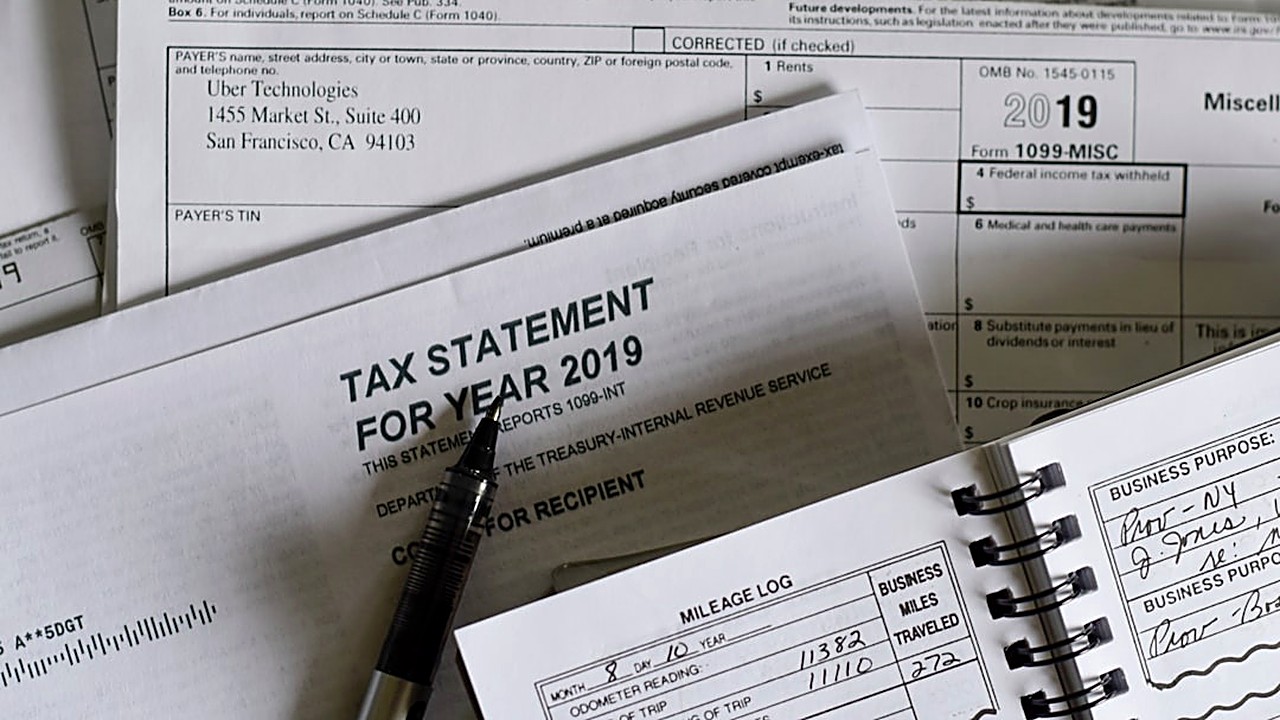 Tax Implications of Investing in Index Funds for Retirement →
Investing works best with money you will not need for at least five years. If you invest your rent money and the market drops the week you need it, you are forced to sell at a loss.
Before you invest, check these three things:
1. You have an emergency fund. A common target is three to six months of basic expenses (rent, food, bills) in a savings account. If that feels huge, start with $500 to $1,000 and keep building.
2. You are not carrying credit card debt. Credit cards often charge 20% a year or more. Paying that off is one of the best "returns" you can get, because it is certain.
3. Your bills are paid on time every month. If you run short often, fix the budget first.
You do not need to be perfect. But if a car repair would push you back onto a credit card, build the cushion first.
Clear money tips in your inbox. No hype.
Step 2: Grab free money from your employer
Affiliate link. We may earn a commission on purchases, at no extra cost to you.
This content is informational and is not investment advice or financial consulting.
If your job offers a 401(k) or 403(b) plan (a retirement account run through your employer), look for a "match." A match means your employer adds money when you contribute. For example, a company might add 50 cents for every dollar you put in, up to a certain percent of your pay.
That is money you only get if you contribute. Ask HR these questions:
- Do you offer a match, and how much?
- Is there a waiting period before I can join?
- What is the "vesting" schedule? (Vesting means how long you must work there before the employer's money is fully yours.)
- Which funds are in the plan, and what are their fees?
Step 3: Which account should you open?
 How to Build a Long-Term Investment Plan When Your Income Is Irregular →
 How to Build a Retirement Investment Plan in Your 20s or 30s →
 Retirement Savings: How Much to Invest Monthly →
If you have no workplace plan, or you already get the full match, you can open an account yourself. Here are the main types:
| Account | What it is | Main tax feature | Good for |
|---|---|---|---|
| 401(k) / 403(b) | Retirement account through work | Taxes usually delayed until you withdraw (Roth versions also exist) | Getting the employer match |
| Traditional IRA | Retirement account you open yourself | Contributions may lower your taxes now | People who expect lower income in retirement |
| Roth IRA | Retirement account you open yourself | You pay tax now; qualified withdrawals later are tax-free | Many beginners with lower income today |
| Taxable brokerage | Regular investing account | No special tax break | Goals before retirement, or after maxing other accounts |
Retirement accounts have yearly contribution limits set by the IRS, and those limits change. Check the current numbers on IRS.gov before you plan. They also have rules and possible penalties for taking money out early, so read them before you put in money you might need soon.
You can open an IRA or brokerage account online with large brokerage firms in about 15 minutes. You will need your Social Security number, a bank account, and an ID.
Step 4: What are index funds and why use them?
An index fund is a basket of many investments that copies a list, called an index. For example, an S&P 500 index fund holds shares of about 500 large US companies. A "total market" fund holds thousands.
Beginners often choose index funds for three reasons:
- Spread-out risk. If one company fails, it is a tiny part of the fund.
- Low fees. The yearly fee is called the expense ratio. Many broad index funds charge well under 0.20% a year, meaning less than $2 per $1,000 invested.
- No stock picking. You do not need to guess which company will win.
Fees matter more than they look. A 1% fee does not sound like much, but over decades it can eat a large slice of your growth, because you pay it every year on your whole balance.
Common beginner choices:
| Option | What you get | What to watch |
|---|---|---|
| Total US stock market fund | Thousands of US companies | Goes up and down with the market |
| Total international stock fund | Companies outside the US | Can move differently than US stocks |
| Bond fund | Loans to governments and companies | Usually less bumpy, usually lower growth |
| Target-date fund | A mix of stocks and bonds that gets safer as a chosen year nears | Check the fee; pick the year near your retirement |
A target-date fund is the "one-fund" option. You pick the fund with the year closest to when you plan to retire, and it handles the mix for you. It is a reasonable choice if you do not want to manage anything.
Step 5: How much should go into stocks versus bonds?
Stocks tend to grow more over long periods, but they can fall 20%, 30%, or more in a bad year. Bonds tend to move less but usually grow less.
Ask yourself two questions:
1. When will I need this money? Money for retirement in 30 years can usually handle more stocks. Money needed in 5 years should be more careful.
2. How would I react to a big drop? If seeing your $5,000 become $3,500 would make you sell everything, choose a calmer mix.
There is no single right answer. If you are unsure, a target-date fund gives you a mix based on your timeline.
Step 6: Automate it and leave it alone
The habit matters more than the starting amount. Set up an automatic transfer from your bank to your investment account every payday. Even $50 a month builds the habit, and you can raise it every time you get a raise.
Investing the same amount on a schedule is called dollar-cost averaging. When prices are low, your money buys more shares. When prices are high, it buys fewer. It also removes the stress of trying to guess the "right" day.
Then follow these rules:
- Do not check your balance every day. Once a month or once a quarter is plenty.
- Do not sell in a panic. Markets have had many drops. Selling during one locks in the loss.
- Rebalance once a year. If your mix drifted far from your plan, adjust it back.
- Make sure the money is actually invested. In many accounts, money you deposit sits as cash until you buy a fund. This is one of the most common beginner mistakes.
Beginner mistakes that cost real money
Watch out for these:
- Chasing hot tips from social media or friends. If someone promises big, fast, or sure returns, treat it as a warning sign.
- Buying single stocks with money you cannot afford to lose.
- Paying high fees without noticing. Always check the expense ratio and any account fees.
- Waiting for the "perfect time." Nobody can reliably predict it.
- Investing money you need soon.
When should you talk to a professional?
Consider a fee-only fiduciary advisor (someone legally required to act in your interest) if you have a large sum to invest, an inheritance, a business, complex taxes, or you are close to retirement. For tax questions about IRAs and withdrawals, a tax professional can help. You can check an advisor's background for free on FINRA BrokerCheck or the SEC's adviser search.
Your next step this week
Pick one action and do it before Sunday:
1. If you have a job with a 401(k), log in or ask HR whether there is a match, and set your contribution to at least get it.
2. If you have no workplace plan, open a Roth IRA or brokerage account online.
3. Choose one low-cost broad index fund or a target-date fund, and write down its expense ratio.
4. Set an automatic monthly deposit you can keep even in a tight month.
Then put a reminder on your calendar one year from today to review your plan.
FAQ
How much money do I need to start investing?
Many brokerages have no account minimum and let you buy fractional shares, so you can start with a small amount like $50 or $100. What matters more is adding money regularly over many years.
Is investing in index funds safe?
No investment is free of risk. A broad index fund spreads your money across hundreds of companies, which lowers the damage any single company can do, but the whole fund can still lose value, sometimes a lot, for months or years.
Should I pay off debt before I invest?
Usually yes for high-interest debt such as credit cards, because the interest you pay is often higher than what investments tend to earn. Low-interest debt, like many mortgages, is a different case. If your employer matches retirement contributions, many people still contribute enough to get the match.
Clear money tips in your inbox. No hype.
Educational content, not personalized financial advice. Sources cited where applicable.