How to Stop Using Credit Cards While Paying Off Debt

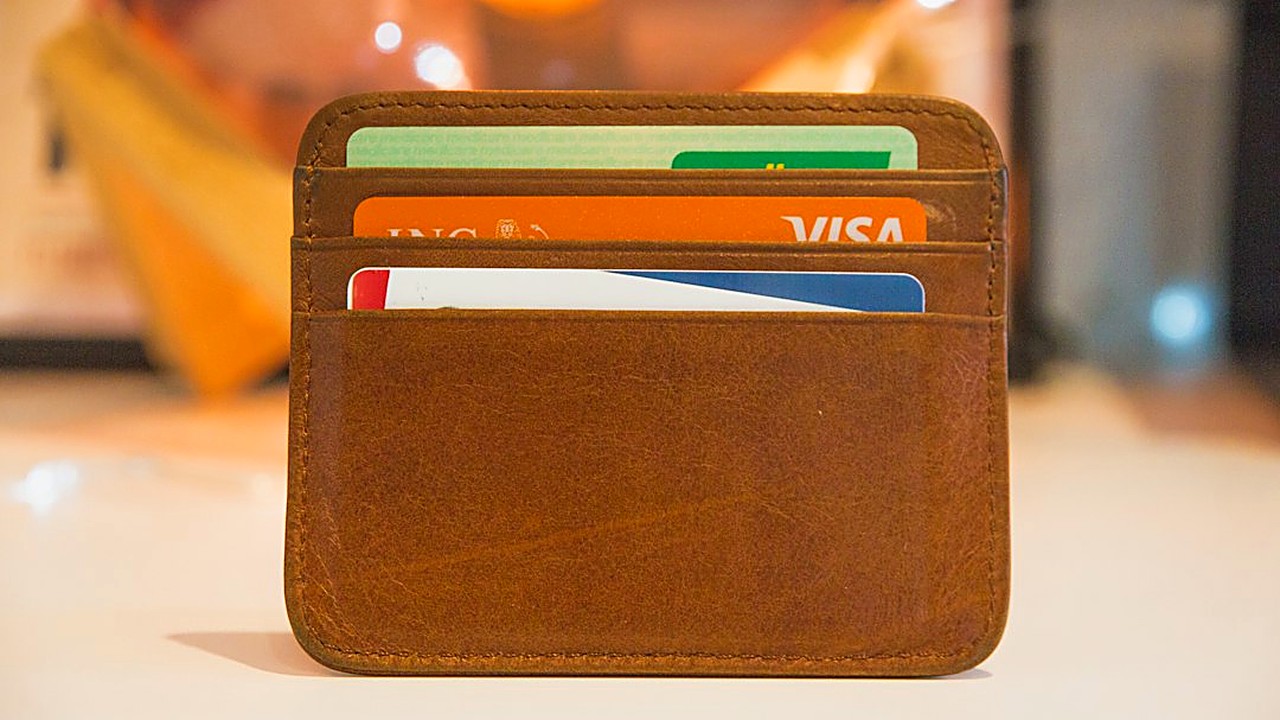
Quick answer: To stop using credit cards while paying off debt, you must physically remove the cards from your wallet, delete them from all online accounts, and switch to a cash-only or debit card budget. By removing the temptation and strictly tracking your spending, you can focus your remaining income entirely on clearing your balances.↗ Share on X
Why You Need to Cut the Cord Today
 5 Signs You're Trying to Improve Your Credit Score Wrong →
 5 Credit Score Mistakes That Quietly Keep Your Number Low →
 5 Signs You're Fixing Your Credit Score the Wrong Way →
If you are tired of watching your hard-earned money disappear into interest payments, you need to stop using your credit cards immediately. The secret to getting out of debt is not just paying more; it is stopping the cycle of new charges. You cannot dig yourself out of a hole while you are still holding a shovel. To stop using your cards, you must physically remove them from your reach. Take your cards out of your wallet right now. Put them in a drawer, a lockbox, or even cut them up if you do not trust yourself. If you do not have the card on you, you cannot use it for impulse buys.
Clear money tips in your inbox. No hype.
Step-by-Step Plan to Break the Credit Habit
Affiliate link. We may earn a commission on purchases, at no extra cost to you.
This content is informational and is not investment advice or financial consulting.
1. Freeze Your Cards: Literally. Put your credit cards in a container of water and put it in the freezer. If you really need the card, you have to wait for the ice to melt. This delay gives you time to think if the purchase is truly necessary.
2. Delete Saved Cards: Go to every website where you shop—Amazon, food delivery apps, clothing stores—and delete your saved credit card information. If you have to manually type in the numbers every time, you are less likely to buy things you do not need.
3. Switch to a Debit-Only Budget: Use your bank’s mobile app to see exactly how much money you have. If the money is not in your checking account, you do not buy it. This is the only way to ensure you are not spending money you do not have.
4. Set Up Automatic Payments: Log into your bank and set up an automatic payment for at least the minimum amount due. This protects your credit score while you work on paying extra toward the principal balance.
5. Review Your Transactions: Once a week, look at your bank statement. If you see a charge that was not necessary, identify why you made it. Was it stress? Boredom? Identifying the trigger is how you stop the habit.
How to Pay Off Debt Faster
 Is Improving Your Credit Score Worth It? The Real Math →
 Is Improving Your Credit Score Worth the Effort and Cost? →
 Pay Off Debt or Raise Your Score First? How to Decide →
Once you have stopped using the cards, you need a plan to pay them off. The two most common methods are the Debt Snowball and the Debt Avalanche. The Debt Snowball means you pay off your smallest balance first. This gives you a quick win and keeps you motivated. The Debt Avalanche means you pay off the card with the highest interest rate first. This saves you the most money in the long run. Choose the one that keeps you going. If you struggle with motivation, pick the Snowball. If you are focused on the math, pick the Avalanche.
Will Stopping Use Hurt Your Credit Score?
Many people worry that if they stop using their cards, their credit score will drop. It is a common myth. Your credit score is mostly based on paying your bills on time and keeping your balances low. If you stop using the card but keep the account open, you are actually helping your score. You are lowering your "credit utilization," which is the amount of debt you have compared to your total limit. As long as you keep paying the balance down, your score will likely improve over time.
What if You Cannot Make the Minimum Payment?
If you find yourself unable to make even the minimum payment, do not ignore the problem. Ignoring debt makes it grow. Call your credit card company immediately. Tell them you are having financial hardship. Many companies have programs that can lower your interest rate for a few months or give you a payment plan. This is not a sign of failure; it is a sign of taking responsibility. If you feel overwhelmed to the point of severe anxiety or depression, please reach out to a professional counselor or a mental health expert. Financial stress is real, and you do not have to carry it alone.
How to Manage Your Daily Expenses Without Credit
To live without credit cards, you must master the art of the "envelope system" or a digital equivalent. If you have 500 dollars for groceries for the month, withdraw that amount in cash. When the cash is gone, you stop buying groceries. It sounds strict, but it works because it is visual. You can see your money dwindling, which forces you to make better choices. If you prefer digital, use a separate checking account just for your bills. Keep your "spending money" in your main account. When the account hits zero, you are done spending until the next paycheck.
Avoiding the "Emergency" Trap
We often use credit cards for "emergencies." But if you have a credit card, you are likely using it for things that are not true emergencies, like a sale on shoes or a dinner out. A true emergency is a car repair that keeps you from work or an urgent medical bill. To stop using cards, you need a small "starter" emergency fund. Aim to save 500 to 1,000 dollars as fast as you can. Put this in a savings account that is hard to reach. This fund will act as your safety net so you do not have to turn to your credit cards when life happens.
Understanding Interest and Why It Matters
Credit card interest is like a snowball rolling down a hill. It starts small, but it gets bigger and faster the longer it rolls. If you owe 1,000 dollars at 20 percent interest, you are paying hundreds of dollars a year just for the privilege of borrowing that money. That is money that could be in your pocket. Every extra dollar you pay toward your balance is a dollar you save on interest. Treat your debt like a high-priority bill. If you have extra money from a bonus, a tax refund, or a side job, put it all toward the debt. Do not treat it as "extra" money to spend.
Tracking Your Progress
Create a simple chart to track your debt. Write down the name of each card, the total balance, and the interest rate. Every month, update the balance. Seeing the numbers go down is the best motivation you will ever have. If you see the balance go up, stop and look at your spending. Did you use the card again? If so, go back to the first step and freeze the card again. This is a process of learning. You might slip up, but the goal is to get back on track the very next day.
When to Seek Professional Help
If your debt is more than half of your annual income, or if you are being harassed by debt collectors, it might be time to talk to a professional. Look for a non-profit credit counseling agency. They can help you create a budget and sometimes negotiate with your creditors to lower your interest rates. Avoid "debt settlement" companies that promise to wipe out your debt for a fee. These companies often charge high fees and can ruin your credit score for years. Always look for non-profit organizations that have a good reputation in your community.
Your Next Practical Step
Do not wait until tomorrow to start. Your next step is to log into your primary credit card account right now and remove the "Auto-Pay" for anything other than the minimum payment. Then, take the physical card out of your wallet and put it in a place that is inconvenient to access. Once you have done that, sit down with your bank statement from the last 30 days and highlight every purchase that was not a necessity like rent, utilities, or basic food. That is your "debt-crushing" budget. Use that money to make your first extra payment toward your balance today.
FAQ
Will my credit score drop if I stop using my credit cards?
No, stopping the use of your cards does not hurt your score. In fact, as you pay down your balances, your credit utilization ratio improves, which often helps your score increase over time.
What is the fastest way to get out of debt?
The fastest way is to stop all new spending on credit cards, create a strict budget to free up cash, and apply every extra dollar toward your debt using either the Debt Snowball or Debt Avalanche method.
Should I close my credit card accounts once they are paid off?
It is generally better to keep them open but unused. Closing accounts can shorten your credit history and reduce your total available credit, both of which can negatively impact your credit score.
Clear money tips in your inbox. No hype.
Educational content, not personalized financial advice. Sources cited where applicable.