Is Saving Money Worth It? The Real Trade-Offs, Explained

Quick answer: Yes, for almost everyone. Saving keeps surprise bills from turning into expensive debt, lowers stress, and gives you choices. It stops being worth it when you cut essentials or save cash while carrying high-interest credit card debt.↗ Share on X
Yes, saving money is worth it for almost everyone, but not at any cost. Saving pays off when it protects you from debt, lets you handle emergencies without panic, and gives you choices later. It stops being worth it when you cut so hard that you skip medical care, fall behind on bills, or burn out and quit the plan. The real goal is a balance: save enough to stay safe, spend enough to live, and put the rest toward goals you actually care about.
Below you will find the honest pros and cons, what saving really "costs" you, and a simple plan to find the right amount for your life. This is general education. If you are dealing with serious debt, a job loss, or tax questions, a nonprofit credit counselor or a licensed financial professional can look at your full picture.
What do you actually gain from saving?
 9 Money-Saving Myths That Keep Your Savings Account Empty →
 Split Household Bills Fairly Without a Joint Bank Account →
The benefits are bigger than the number in your account.
- Fewer emergencies turn into debt. A car repair paid from savings costs the repair. The same repair on a credit card can cost much more once interest is added.
- Less stress. Many people say money worry keeps them up at night. A cushion makes a surprise bill an annoyance instead of a crisis.
- More choices. Savings let you leave a bad job, move for a better one, or take time off to care for family.
- Money that grows. Money in a high-yield savings account earns interest. Money invested for the long term can grow more, though with more risk.
- Better habits. Saving forces you to know where your money goes, which usually cuts waste you never noticed.
Clear money tips in your inbox. No hype.
What are the real downsides of saving?
Affiliate link. We may earn a commission on purchases, at no extra cost to you.
This content is informational and is not investment advice or financial consulting.
Articles about saving rarely admit this, but there are real trade-offs.
- You give up things today. Every dollar saved is a dollar you do not spend on something you might enjoy now.
- Cash loses value to inflation. Inflation means prices rise over time. Money sitting in a regular checking account that pays almost nothing slowly buys less each year.
- Too much saving can hurt. If you save while carrying credit card debt at high interest, you often lose more than you gain.
- Extreme cutting backfires. Skipping the dentist, cheap tires, or no fun at all can lead to bigger bills or giving up entirely.
- Opportunity cost. Money held as cash for many years could have been invested for growth instead.
Pros and cons at a glance
 7 Common Money Mistakes That Quietly Drain Your Paycheck →
 The First 30 Days: Rebuilding a Budget After a Big Loss →
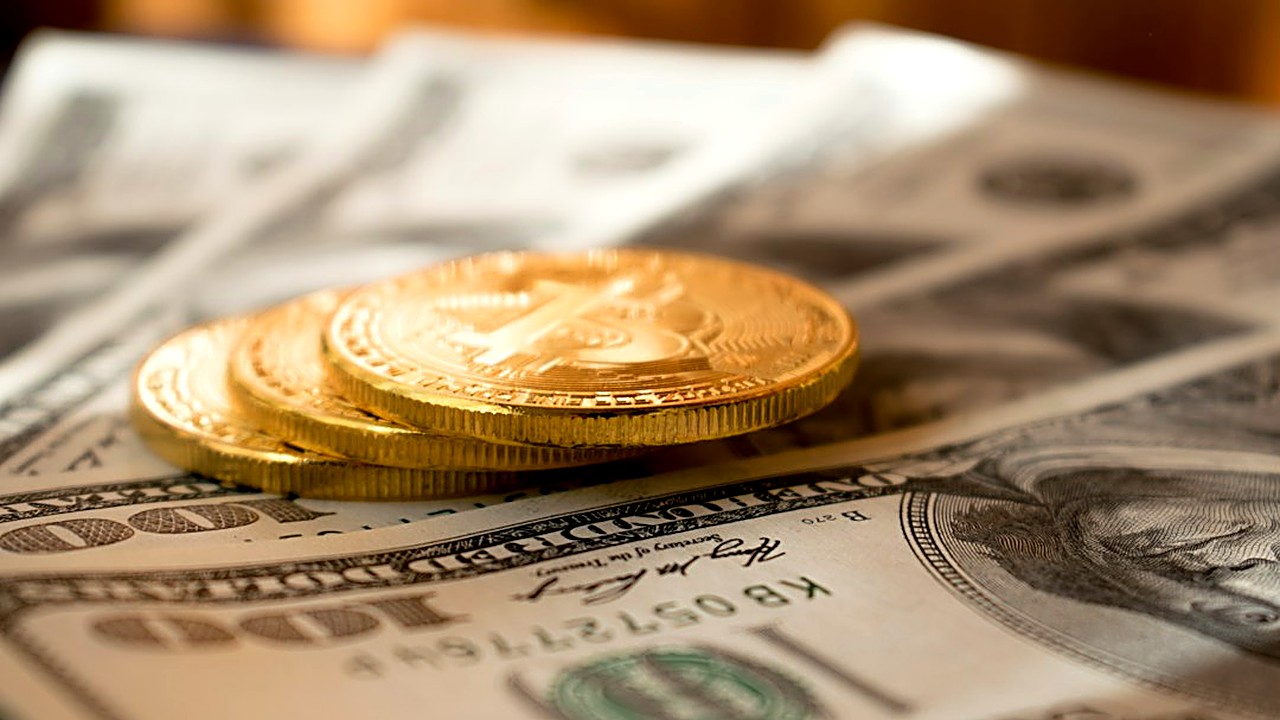 High-Yield Savings: Keep Your Emergency Fund Protected →
| Pros of saving | Cons or costs of saving |
|---|---|
| Emergencies do not become debt | Less money to enjoy today |
| Lower stress and better sleep | Cash loses value to inflation over time |
| Freedom to change jobs or move | Saving while holding high-interest debt can cost you |
| Interest or investment growth | Over-cutting can cause bigger bills later |
| Better awareness of spending | Too much idle cash misses investment growth |
What is the "real cost" of not saving?
The cost of not saving is harder to see because it shows up later. Here is how it usually plays out:
1. An unexpected bill arrives, such as a medical copay or a broken appliance.
2. With no savings, it goes on a credit card or a payday loan.
3. Interest makes the bill bigger every month it is unpaid.
4. Monthly payments shrink the room in your budget.
5. The next surprise bill has even less room, and the cycle repeats.
Payday loans and some buy-now-pay-later plans can be especially expensive if payments are missed. Read the full cost before using them, and treat them as a last resort.
How much should you save?
There is no single right number, but these common guidelines are a good starting point:
- Starter emergency fund: a small cushion, enough to cover one surprise bill like a car repair.
- Full emergency fund: three to six months of essential expenses. Essentials are rent or mortgage, food, utilities, insurance, transportation, and minimum debt payments.
- Retirement: if your employer offers a 401(k) match, contribute at least enough to get the full match. That match is money you would otherwise leave on the table.
- Short-term goals: a separate account for things you know are coming, like holidays, car registration, or school costs.
A popular budgeting rule is 50/30/20: about 50% of take-home pay for needs, 30% for wants, and 20% for savings and extra debt payments. It is a guideline, not a law. If your rent alone takes half your pay, start with a smaller savings percentage and grow it.
In what order should you save and pay debt?
Doing things in the right order saves the most money. A common sequence:
1. Build a small starter cushion so a minor surprise does not go on a card.
2. Get any employer retirement match.
3. Pay down high-interest debt, like credit cards, as fast as you can.
4. Finish your full emergency fund of three to six months.
5. Save for retirement beyond the match and for other goals.
6. Pay down lower-interest debt faster if you want, or invest the difference.
How do you save without feeling miserable?
The best savings plan is one you can keep up. These methods make it easier:
- Pay yourself first. Set an automatic transfer to savings on payday, before you can spend it.
- Start small. Saving a small amount every week builds the habit. You can raise it later.
- Cut what you do not value. Cancel subscriptions you forgot about. Keep the things that truly make you happy.
- Use separate accounts. Name them by goal: "Car repairs," "Emergency," "Vacation." Named money is harder to spend by accident.
- Save your raises. When your pay goes up, send part of the increase to savings before you get used to it.
- Review bills once a year. Call your phone, internet, and insurance providers and ask for a better rate. Compare quotes.
Where should you keep your savings?
| Where | Best for | Keep in mind |
|---|---|---|
| High-yield savings account | Emergency fund, short-term goals | Rates can change; check it is FDIC insured |
| Regular checking | Monthly bills | Usually pays little or no interest |
| Certificate of deposit (CD) | Money you will not touch for a set time | Penalty if you withdraw early |
| Retirement accounts (401(k), IRA) | Long-term retirement | Penalties and taxes for most early withdrawals |
| Taxable brokerage account | Goals more than five years away | Value goes up and down; can lose money |
FDIC insurance protects bank deposits up to set limits if the bank fails. For credit unions, the similar protection is from the NCUA. Check the official websites for current limits.
When is saving not the top priority?
Sometimes other needs come first, and that is okay:
- You cannot cover basic needs. Food, housing, utilities, and needed medicine come before saving.
- You have high-interest debt beyond a small starter cushion. Paying it down usually wins.
- Your health needs attention. Skipping care to save money often costs more later.
If you are behind on rent, utilities, or debt payments, contact a nonprofit credit counseling agency. Many offer free or low-cost help and can explain options you may not know about.
Your next step
Tonight, open your bank account and set up one automatic transfer from checking to a separate savings account, scheduled for the day after payday. Pick an amount small enough that you will not cancel it. Then name the account "Emergency" and leave it alone. After a few paychecks, look at the balance and decide whether you can raise the amount.
FAQ
How much should I have in an emergency fund?
A common guideline is three to six months of essential expenses, such as rent, food, utilities, insurance, and minimum debt payments. Start with a small cushion first and build from there.
Should I save money or pay off debt first?
Build a small starter cushion, get any employer retirement match, then focus on high-interest debt like credit cards. After that, finish your full emergency fund and save for other goals.
Where is the best place to keep savings?
For an emergency fund, a high-yield savings account that is FDIC insured, or NCUA insured at a credit union, is a common choice. It is easy to reach and earns more interest than regular checking.
Clear money tips in your inbox. No hype.
Educational content, not personalized financial advice. Sources cited where applicable.