Pay Before the Statement Date to Lower Credit Utilization


Quick answer: Most card issuers report your balance to the credit bureaus around your statement closing date, not your due date. If you pay down the card a few days before the statement closes, a smaller balance gets reported, which lowers your credit utilization. Keep paying at least the minimum by the due date so you never miss a payment.↗ Share on X
To lower your credit utilization by timing payments, pay your credit card a few days before your statement closing date, not just by the due date. Most card companies send your balance to the credit bureaus around the day your statement closes. Whatever balance is on the card that day is usually what shows up on your credit report, even if you pay it all off a week later. So paying earlier means a smaller balance gets reported, and a smaller reported balance means lower utilization.
You still have to pay at least the minimum by the due date every month. Timing helps the number that gets reported. It does not replace paying on time.
This is general information, not personal financial advice. Every issuer and every credit report is a little different, so check your own statements and, for big decisions, talk to a nonprofit credit counselor or a licensed financial professional.
What is credit utilization, in plain words?
 Closing an Old Credit Card? Do This Math Before You Call →
 How to Get Out of Debt: A Step-by-Step Plan That Works →
 Avalanche Method: Pay Off Several Credit Cards Step by Step →
Credit utilization is how much of your available credit you are using, shown as a percentage.
- You have one card with a $2,000 limit.
- Your reported balance is $1,200.
- Your utilization on that card is 60% ($1,200 ÷ $2,000).
Scoring models look at utilization on each card and across all your cards together. Lower utilization is generally seen as better. A common rule of thumb is to stay under 30%, and many people with strong scores keep it much lower than that. There is no single magic number that works for everyone.
Clear money tips in your inbox. No hype.
Why does the statement date matter more than the due date?
Affiliate link. We may earn a commission on purchases, at no extra cost to you.
This content is informational and is not investment advice or financial consulting.
Two dates show up on every credit card statement:
| Date | What it means | Why it matters |
|---|---|---|
| Statement closing date | The last day of your billing cycle. Your statement balance is set on this day. | Most issuers report your balance to the bureaus around this date. |
| Payment due date | The deadline to pay at least the minimum without being late. Usually a few weeks after the closing date. | Paying by this date keeps your account in good standing and avoids late fees. |
Here is what trips people up. Say you use your card for $1,500 of bills every month and always pay it in full on the due date. You never pay interest, which is great. But your card probably reports a $1,500 balance every month, because that is what was sitting on the card when the statement closed. Your credit report shows high utilization even though you never carry debt.
If you send most of that payment a few days before the statement closes, the balance that gets reported is much smaller.
How do you find your statement closing date?
 Credit Card Debt With No Income: What to Do This Week →
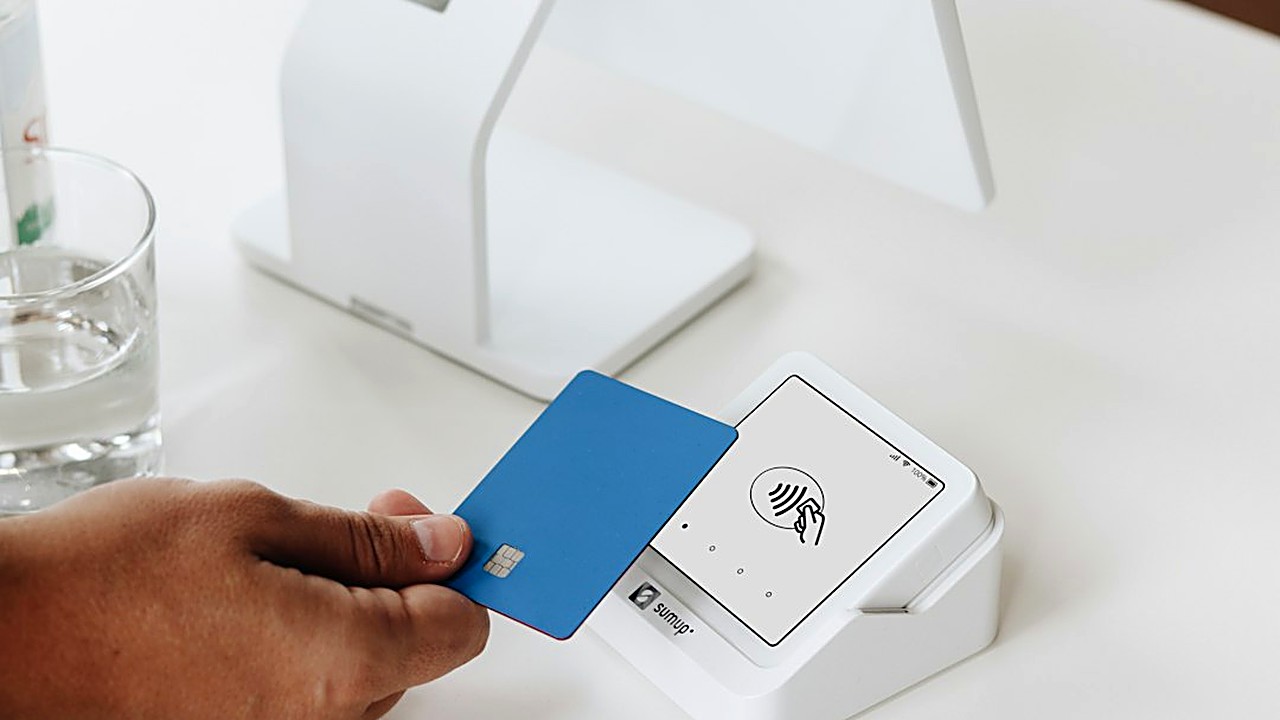 Settle Your Own Debt: A Step-by-Step Call Plan (No Company) →
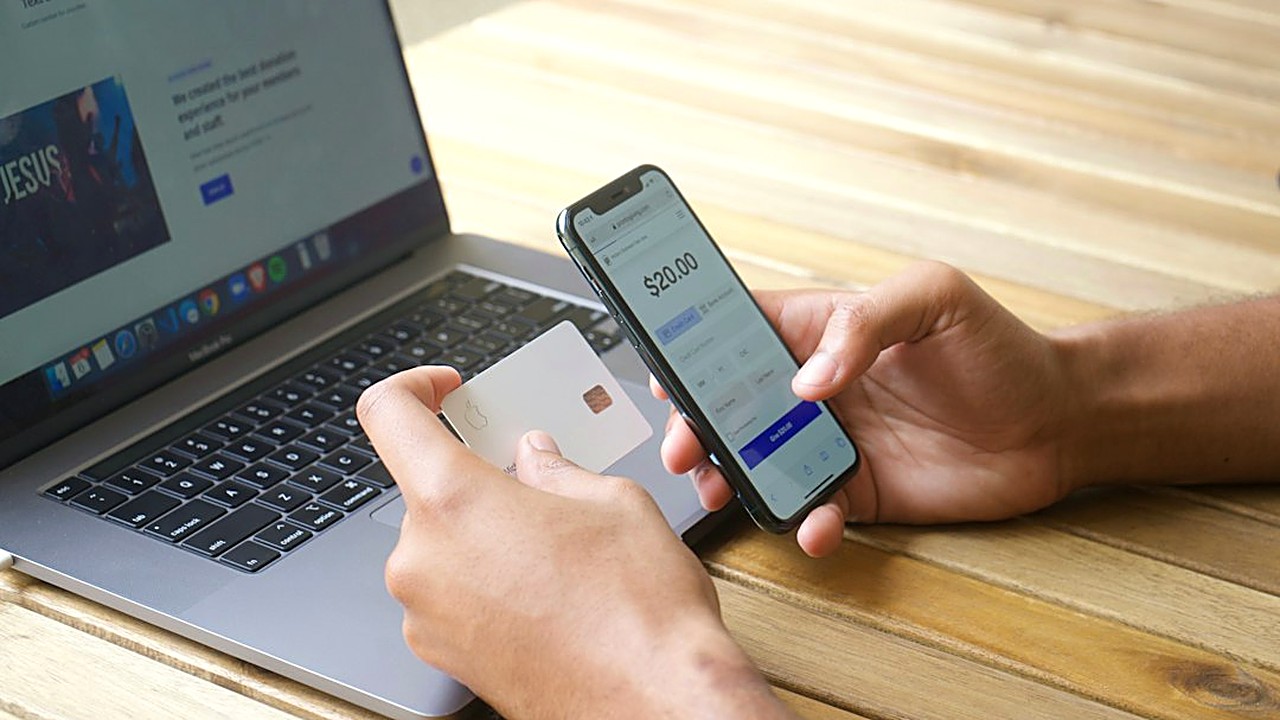 How to Pay Off Credit Card Debt and Keep the Account Open →
Use any of these:
1. Look at your last paper or PDF statement. It is usually near the top, labeled "Closing date" or "Statement closing date."
2. Log in to the card's app or website. Look under statements or account details.
3. Call the number on the back of the card and ask: "What is my statement closing date, and on what date do you report to the credit bureaus?"
Write down both dates for every card you have. They are usually about the same day each month, but they can shift by a day or two.
Step by step: how to time your payment
1. Find your closing date for each card, as shown above.
2. Set a reminder 3 to 5 days before that date. This gives the payment time to post. Payments from a bank account can take one to a few business days.
3. Make a payment that brings the balance down to the level you want to report. If you can, pay almost everything.
4. After the statement closes, check what was reported. Your new statement balance should be the small amount left.
5. Pay the rest by the due date. If you want to avoid interest, pay the full statement balance by the due date.
6. Repeat each month. Utilization usually has no long memory in the most widely used scoring models, so this is an ongoing habit, not a one-time fix. Some newer models do look at balance trends over time, which is another reason to make it a habit.
What does this look like with real numbers?
Imagine one card with a $3,000 limit, closing date on the 20th and due date on the 15th of the next month.
| Approach | Balance on the 20th (reported) | Utilization reported |
|---|---|---|
| Pay $1,800 in full on the due date only | $1,800 | 60% |
| Pay $1,500 on the 16th, then the rest by the due date | $300 | 10% |
| Pay $1,700 on the 16th, then the rest by the due date | $100 | About 3% |
You pay the same total amount in all three cases. The only difference is when you pay. These numbers are an example to show the math. Your own score change depends on your full credit history, and nobody can tell you exactly how many points you will see.
Should you let the balance report as zero?
Not always. Some scoring models may treat a profile where every card reports $0 a bit differently from one where a small balance reports on one card. A simple approach many people use:
- Let one card report a small balance, a few dollars to a small percentage of the limit.
- Let your other cards report $0.
- Pay that small balance in full by the due date so you pay no interest.
If this feels like too much to track, focus on the main idea: get your reported balances low. That matters far more than the small difference between 1% and 0%.
What if you cannot pay the balance down before the statement?
If you are carrying debt you cannot pay off quickly, timing tricks matter less than the debt itself. Try these:
1. Always pay at least the minimum on time. A late payment usually hurts your credit more than high utilization, and it can stay on your report for years.
2. Split your payment into two. Pay part mid-cycle and part before the closing date. Even small extra payments lower the reported balance.
3. Stop adding new charges to the card you are paying down.
4. Pick a payoff order. Paying the highest interest rate first saves the most money. Paying the smallest balance first gives quick wins that keep some people motivated.
5. Ask your issuer about options. Some offer hardship programs or a lower rate if you call and ask.
6. Get free help. A nonprofit credit counseling agency can review your situation and explain options like a debt management plan.
Be careful with anyone who promises to "fix" your credit fast for a fee. Accurate information on your report cannot simply be removed.
Does closing a card or asking for a higher limit help?
These change the other half of the math, your total limit:
- Closing a card removes its limit, which can push your utilization up. Think twice before closing old cards with no annual fee.
- Asking for a credit limit increase can lower utilization if your spending stays the same. Ask your issuer whether the request involves a hard credit check, which can cause a small, temporary dip.
Only ask for more credit if you are confident you will not spend more because of it.
Your next step
Today, open your card app or last statement and write down the closing date for every card. Set a phone reminder four days before each one with the note "Pay card down before it reports." Next month, after the statement closes, check your free credit report or monitoring tool to see the lower balance reported. If you are struggling to make even the minimum payments, contact a nonprofit credit counselor this week instead of waiting.
FAQ
Is it bad to pay my credit card before the statement comes out?
No. Paying early is allowed and does not hurt you. Just make sure the minimum payment for each statement is covered by the due date, and check your statement to confirm the payment was applied.
Should my credit card balance be zero when it reports?
Not necessarily. Some scoring models can treat all cards reporting a zero balance slightly differently than a small balance on one card. Many people aim to let a small balance report on one card and pay it in full by the due date to avoid interest.
How fast does lower utilization show on my credit report?
Usually after the next time your issuer reports, which tends to happen once a month around the statement date. Check your report or a free credit monitoring tool after the next statement closes to confirm.
Clear money tips in your inbox. No hype.
Educational content, not personalized financial advice. Sources cited where applicable.