Pay Cut and Credit Card Debt: A Plan to Avoid Falling Behind


Quick answer: Rebuild your budget on your new take-home pay, keep at least the minimum payment on every card, and call your issuers before you miss a payment to ask about hardship programs. Put any extra money on one card at a time, and contact a nonprofit credit counselor if the numbers do not work.↗ Share on X
If your pay was cut and you carry credit card debt, the first goal is not to pay it off fast. The first goal is to avoid falling behind. Rebuild your budget on your new income this week, keep at least the minimum payment on every card, and call your card issuers before you miss a payment to ask about a hardship program. Then put any extra money toward one card at a time. If the numbers still do not work, a nonprofit credit counselor can review your situation, often at low or no cost.
Below is a step-by-step plan, a sample budget, the questions to ask your card company, and the moves that can make things worse.
Step 1: What should you do in the first week after a pay cut?
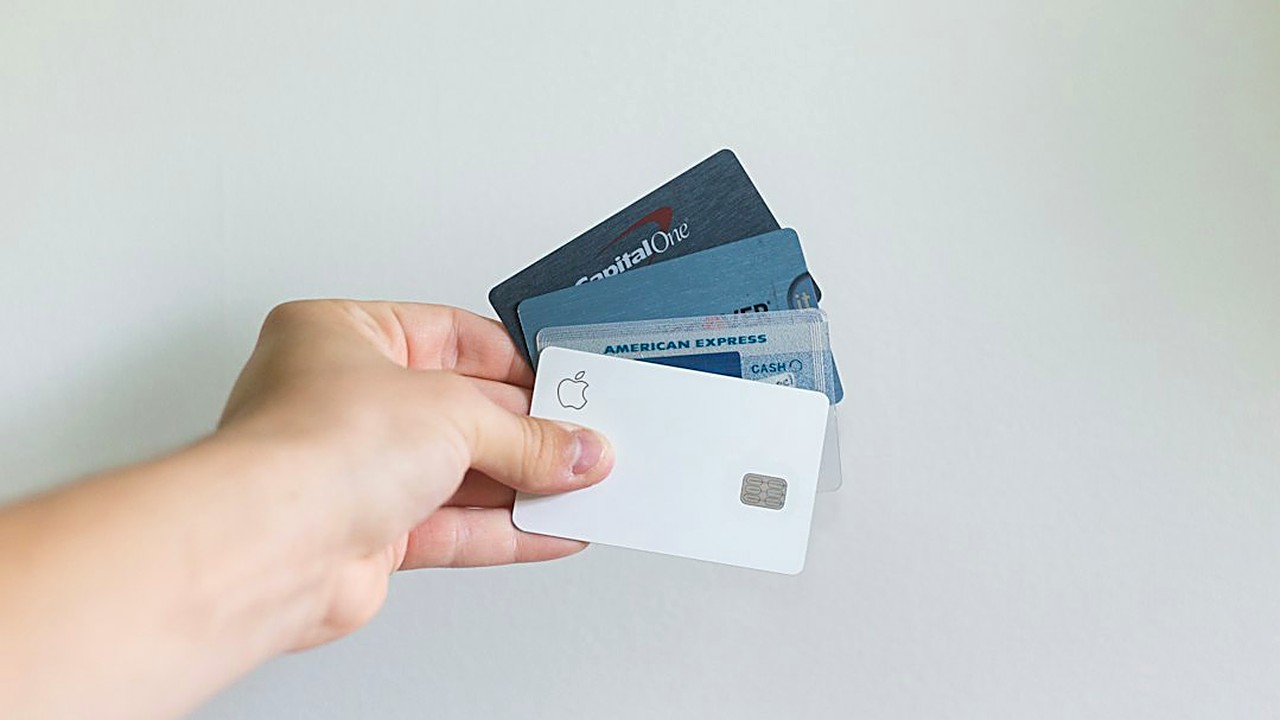 Credit Card Hardship Plan: What to Say and What It Costs You →
 Quit Credit Cards Cold Turkey Without Tanking Your Score →
 Debt-to-Income Ratio for a Consolidation Loan: Do the Math →
The first days matter most, because the first missed payment is the one that hurts the most. Do these five things now:
1. Find your new take-home pay. Look at your next paycheck, not your old salary. Use the amount that actually lands in your bank account.
2. List every bill and its due date. Rent or mortgage, utilities, car, insurance, phone, groceries, and each credit card.
3. Turn off automatic charges you can live without. Streaming, apps, memberships, subscription boxes. Even small ones add up.
4. Check your emergency savings. Know exactly how many weeks it could cover your basic bills.
5. Stop adding new debt. Put the cards in a drawer and remove them from online stores and apps where they are saved.
Clear money tips in your inbox. No hype.
Step 2: How do you build a budget on a smaller paycheck?
Affiliate link. We may earn a commission on purchases, at no extra cost to you.
This content is informational and is not investment advice or financial consulting.
When income drops, the order in which you pay things matters. Pay to protect your home, your job and your health first. Credit cards come after the essentials, but you still need to make minimum payments to avoid late fees and damage to your credit.
Use this priority order:
| Priority | Expense | Why it comes first |
|---|---|---|
| 1 | Housing (rent or mortgage) | Losing your home makes everything harder |
| 2 | Utilities (power, water, heat) | Basic safety |
| 3 | Food and essential medicine | Basic health |
| 4 | Transportation to work | Protects your income |
| 5 | Insurance (health, car) | Protects you from a bigger financial hit |
| 6 | Minimum payments on all debts | Avoids late fees and credit damage |
| 7 | Extra debt payments | Only after everything above is covered |
| 8 | Everything else | Entertainment, dining out, shopping |
A simple example
Say your take-home pay dropped from $3,600 to $2,900 a month, and you have two credit cards:
- Card A: $4,000 balance, 24% interest, $120 minimum
- Card B: $1,500 balance, 19% interest, $45 minimum
Your new monthly plan might look like this:
- Rent: $1,250
- Utilities and phone: $230
- Groceries: $420
- Gas and car insurance: $310
- Health costs: $90
- Card minimums: $165
- Small buffer for surprises: $100
- Left over: $335
That $335 is your room to work with. You might use part of it for extra debt payments and part to rebuild savings. If your plan shows a negative number instead, skip to Step 4: you need to talk to your lenders now, before you fall behind.
These numbers are only an example. Your own situation will be different, so use your real bills.
Step 3: How do you lower what you spend each month?
 Pay Off Credit Card Debt and Protect Your Credit Score →
 Paying Off Debt? How Credit Utilization Moves Your Score →
 Co-Signed a Credit Card? What to Do When Debt Piles Up →
Cutting a few big costs usually helps more than cutting many small ones. Look at these first:
- Phone and internet: call and ask for a cheaper plan, or switch to a prepaid carrier.
- Car insurance: get quotes from other companies, or ask about raising your deductible if you have savings to cover it.
- Groceries: plan meals for the week, buy store brands, and cook in batches.
- Subscriptions: cancel everything you have not used in the last 30 days.
- Housing: if rent is far above what your new income allows, consider whether a roommate or a move makes sense in the coming months.
Also look at the income side. Ask your employer whether the cut is temporary, whether overtime is available, or whether you qualify for any assistance programs. Selling items you no longer use can also bring in quick cash.
Step 4: What should you ask your credit card company?
Many card issuers have hardship programs for people facing a drop in income. These programs may offer a lower interest rate, lower minimum payments, or waived fees for a set period. Terms vary by company, and they are not available to everyone, but asking costs nothing.
Call the number on the back of your card. Call before you miss a payment if you can. Have your new income and budget ready.
Questions to ask:
1. "Do you have a hardship or financial assistance program?"
2. "Can you lower my interest rate, even for a few months?"
3. "Can my minimum payment be reduced while my income is lower?"
4. "Can you waive late fees or the annual fee?"
5. "Will this program affect my credit report or close my account?"
6. "Can you send me the terms in writing?"
Write down the date, the name of the person you spoke with, and what they agreed to. Some programs close or freeze your card while you are enrolled. That can lower your available credit, so make sure you understand the trade-off before you say yes.
Step 5: Which card should you pay first?
Once you cover all minimums, put any extra money on one card at a time. There are two popular ways to choose:
| Method | How it works | Best for |
|---|---|---|
| Avalanche | Pay extra on the card with the highest interest rate first | Saving the most money on interest |
| Snowball | Pay extra on the card with the smallest balance first | Quick wins that keep you motivated |
In the example above, the avalanche method would focus on Card A (24% interest). The snowball method would focus on Card B ($1,500 balance), which would be paid off sooner.
Both methods work if you stick with them. Pick the one you are more likely to keep doing.
Should you use a balance transfer or a consolidation loan?
These tools can help in some cases, but they are riskier after a pay cut:
- Balance transfer card: moves your debt to a card with low or zero interest for a set time. There is usually a transfer fee, often a percentage of the amount. When the promo period ends, the rate goes up. Approval depends on your credit and income, and lower income can make approval harder.
- Personal consolidation loan: combines several cards into one loan with a fixed payment. It only helps if the interest rate is lower than your cards and you stop using the cards.
The danger with both: you clear the cards, then use them again, and end up with twice the debt. Only consider these if you already have a budget that works and have stopped adding new charges.
What mistakes make debt worse after a pay cut?
Avoid these common traps:
1. Missing payments without calling. Late payments can bring fees and a higher penalty rate. Payments 30 or more days late can be reported to the credit bureaus and stay on your credit report for years.
2. Paying only some cards. Missing one card to pay another extra still causes late fees on the first.
3. Using one card to pay another. Cash advances usually carry high fees and interest that starts right away.
4. Taking money from a retirement account. Early withdrawals can come with taxes and penalties, and you lose future growth. Talk to a professional before doing this.
5. Signing up with debt settlement companies that charge upfront fees. Be very careful with any company that promises to make your debt disappear or asks for money before doing any work.
6. Payday loans. Their costs are very high and can trap you in a cycle of new loans.
When should you get professional help?
Reach out for help if:
- Your budget shows you cannot cover essentials plus minimum payments.
- You are already behind on one or more cards.
- Collectors are calling you.
- You are thinking about using retirement savings or taking out a payday loan.
A nonprofit credit counseling agency can review your budget and may offer a debt management plan, where you make one monthly payment and the agency pays your cards, sometimes with reduced interest. Look for agencies affiliated with the National Foundation for Credit Counseling (NFCC) or the Financial Counseling Association of America (FCAA). Ask about fees before you agree to anything.
If your debt is very large compared to your income, or you face lawsuits or wage garnishment, talk to a consumer or bankruptcy attorney to understand your options. Many offer a free first consultation.
This article is general information, not personal financial or legal advice. A qualified professional can look at your full situation.
Your next step
Today, write down your new monthly take-home pay and every bill with its due date. Subtract essentials and card minimums. If the result is positive, choose avalanche or snowball and set up the extra payment on one card. If it is negative, call each card issuer this week, before the next due date, and ask the six hardship questions listed above. Then book a call with a nonprofit credit counselor.
FAQ
Will a hardship program hurt my credit score?
It depends on the issuer and the program. Some close or freeze your card, which can lower your available credit. Ask how it is reported and get the terms in writing before you agree.
Should I stop paying credit cards if my income dropped?
Try not to. Missed payments bring fees and payments 30 or more days late can be reported to credit bureaus. Call your issuer before the due date to ask for lower payments instead.
Is a balance transfer a good idea after a pay cut?
It can help if you qualify and stop using the cards, but there is usually a transfer fee and the rate rises after the promo period. Lower income can also make approval harder.
Clear money tips in your inbox. No hype.
Educational content, not personalized financial advice. Sources cited where applicable.