Crafting Sustainable Retirement Income with Index Funds Wisely


Quick answer: Creating a sustainable retirement income stream with index funds involves consistent saving into a diversified, low-cost portfolio during your working years. In retirement, a disciplined withdrawal strategy, like the 4% rule, combined with periodic rebalancing and flexibility, can help your savings last while providing necessary income.↗ Share on X
Retirement. The word conjures images of freedom, travel, and pursuing passions. But for many, it also brings a nagging question: How do I make my money last? Building a sustainable income stream is key. Index funds offer a compelling path forward.
These simple investment vehicles track a specific market index, like the S&P 500. They provide broad diversification at minimal cost. This approach, championed by investing giants like John Bogle, has proven effective over decades. It's a cornerstone of sound personal finance planning.
The Foundation: Why Index Funds for Retirement?
 Understanding the Difference Between Total Market and S&P 500 Index Funds →
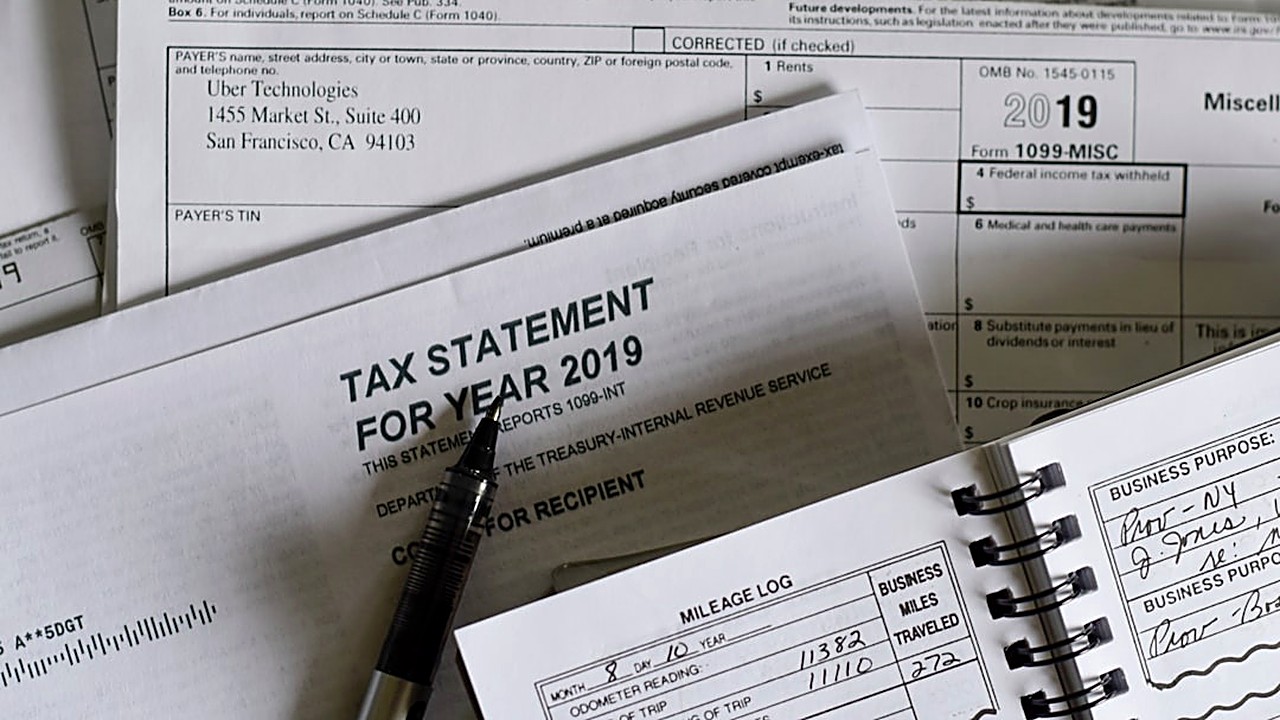 Tax Implications of Investing in Index Funds for Retirement →
 How to Build a Long-Term Investment Plan When Your Income Is Irregular →
Index funds are not flashy. They don't promise to beat the market. Instead, they aim to *match* market performance. This might sound underwhelming. Yet, it's their greatest strength. Actively managed funds often struggle to outperform their benchmarks after fees. Index funds, with their low expense ratios, keep more money working for you. This cost efficiency compounds over time. It makes a significant difference in long-term wealth accumulation.
Diversification is another major benefit. An S&P 500 index fund, for instance, gives you exposure to 500 of the largest U.S. companies. You own a tiny slice of each. This reduces risk. A single company's poor performance won't derail your entire portfolio. My informal experience helping friends and family often starts with explaining these basic principles. The idea of owning a piece of the entire market, rather than trying to pick winners, resonates with many.
Clear money tips in your inbox. No hype.
Building Your Portfolio: Asset Allocation Matters
Affiliate link. We may earn a commission on purchases, at no extra cost to you.
This content is informational and is not investment advice or financial consulting.
Your portfolio's asset allocation is perhaps the most important decision you'll make. This refers to the mix of different asset classes, primarily stocks and bonds. Stocks generally offer higher growth potential. They also come with greater volatility. Bonds, on the other hand, typically provide more stability and income. Their returns are usually lower.
Finding the right balance depends on your individual risk tolerance and time horizon. Younger investors, with decades until retirement, might favor a higher stock allocation, perhaps 80-90%. They have time to recover from market downturns. As retirement nears, many shift towards a more conservative mix. A 60% stock, 40% bond portfolio is a common choice for those approaching or in early retirement. This blend aims for growth while mitigating significant drawdowns. It's a balancing act. Your comfort with market swings should guide your decisions.
The Accumulation Phase: Consistent Contributions
 How to Build a Retirement Investment Plan in Your 20s or 30s →
 Retirement Savings: How Much to Invest Monthly →
 How to Start Investing with Just $100 Today →
Building a substantial retirement nest egg requires discipline. Consistent contributions are paramount. Start early. Time is your most powerful ally. The magic of compounding works best over long periods. Even small, regular investments grow significantly given enough time.
Dollar-cost averaging is a simple yet powerful strategy. You invest a fixed amount of money at regular intervals. This means you buy more shares when prices are low and fewer when prices are high. It smooths out your average purchase price. You avoid the temptation to time the market, a notoriously difficult endeavor. Maximize contributions to tax-advantaged accounts like 401(k)s and IRAs. These accounts offer tax benefits that further accelerate your savings. Rebalancing your portfolio periodically, perhaps once a year, ensures your asset allocation stays on track. If stocks have performed exceptionally well, you might sell some to buy bonds, bringing your portfolio back to your target percentages.
The Distribution Phase: Generating Income Wisely
Transitioning from saving to spending is a significant shift. The goal is to withdraw enough to live comfortably without depleting your principal too quickly. The "4% Rule" is a widely discussed guideline. It suggests withdrawing approximately 4% of your initial portfolio value in the first year of retirement. You then adjust this amount for inflation in subsequent years. This rule, derived from historical market data, aims to provide a high probability of your money lasting 30 years or more. It's a starting point, not a rigid mandate.
Sequence of returns risk is a major concern in early retirement. Poor market performance early in your withdrawal phase can severely impact your portfolio's longevity. Flexible spending strategies can help mitigate this. Consider reducing withdrawals during market downturns. You might draw more from cash reserves or reduce discretionary spending. Having a few years' worth of living expenses in cash or short-term bonds can provide a buffer. Managing my own household finances for over 15 years, I've learned the importance of having that financial cushion. It provides peace of mind during volatile times.
Beyond the Portfolio: Other Income Streams and Flexibility
Your index fund portfolio is a core component of retirement income. However, it's rarely the only one. Social Security benefits will likely form a significant portion of your income. Understanding when to claim these benefits can optimize your overall financial picture. Pensions, if you're fortunate enough to have one, provide another reliable stream. Part-time work in retirement, often called a "bridge job," can supplement income and provide a sense of purpose. It also allows your portfolio to continue growing for longer.
An emergency fund remains vital in retirement. Unexpected expenses can arise. Having readily available cash prevents you from having to sell investments during a market dip. Flexibility is your friend. Your retirement plan should be a living document. Review it regularly. Adjust your spending or investment strategy as life circumstances change. Market conditions evolve. Your needs will too. Adaptability ensures sustainability.
Crafting a sustainable retirement income stream with index funds is an achievable goal. It requires a clear understanding of your financial situation, disciplined saving, and thoughtful planning. Embrace the power of low-cost diversification. Stay patient. Your future self will thank you.
NOT a CFP, NOT a Registered Investment Advisor. Content is informational. Consult licensed professional for specific decisions.
Frequently asked questions
What is an index fund and why is it good for retirement?
An index fund is a type of mutual fund or ETF that tracks a specific market index. They are ideal for retirement due to their low costs, broad diversification, and ability to consistently match market returns over the long term, making wealth accumulation more efficient.
How do I determine my asset allocation for retirement?
Your asset allocation (mix of stocks and bonds) should align with your risk tolerance and time horizon. Younger investors might hold more stocks for growth, while those nearing or in retirement often shift to a more conservative mix, like 60% stocks and 40% bonds, to balance growth and stability.
What is the '4% Rule' for retirement withdrawals?
The 4% Rule suggests withdrawing approximately 4% of your initial retirement portfolio value in the first year, then adjusting that amount for inflation annually. This guideline aims to provide a high probability of your savings lasting for 30 years or more, though it's a general guide, not a guarantee.
Can I rely solely on index funds for retirement income?
While index funds can form the core of your retirement income, it's often wise to consider other sources. Social Security benefits, potential pensions, and even part-time work can supplement your portfolio withdrawals, providing additional security and flexibility.
How can I protect my retirement savings from market downturns?
Diversification through asset allocation, maintaining an emergency fund, and having a flexible withdrawal strategy can help. During market downturns, consider reducing withdrawals or drawing from cash reserves to avoid selling investments at a loss, allowing your portfolio time to recover.
*NOT a CFP, NOT a Registered Investment Advisor. Content is informational. Consult licensed professional for specific decisions.*
Clear money tips in your inbox. No hype.
Educational content, not personalized financial advice. Sources cited where applicable.