Understanding Compound Interest: The Silent Power Behind Long-Term Wealth


Quick answer: Compound interest means earning interest on both your original principal and the interest that accumulates over time. The effect grows faster the longer you stay invested and the higher the rate, turning modest contributions into sizable wealth over decades.↗ Share on X
What Is Compound Interest?
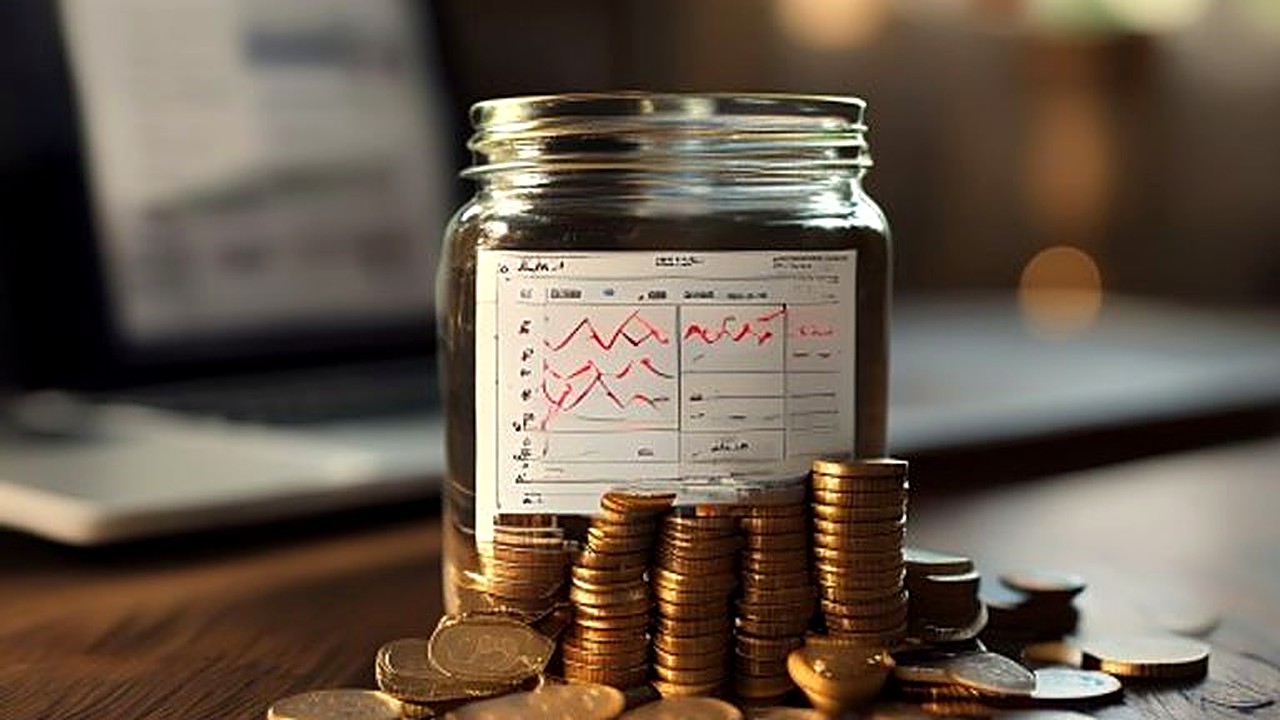 How Little Money Do You Really Need to Start Investing in Index Funds →
 Understanding the Difference Between Total Market and S&P 500 Index Funds →
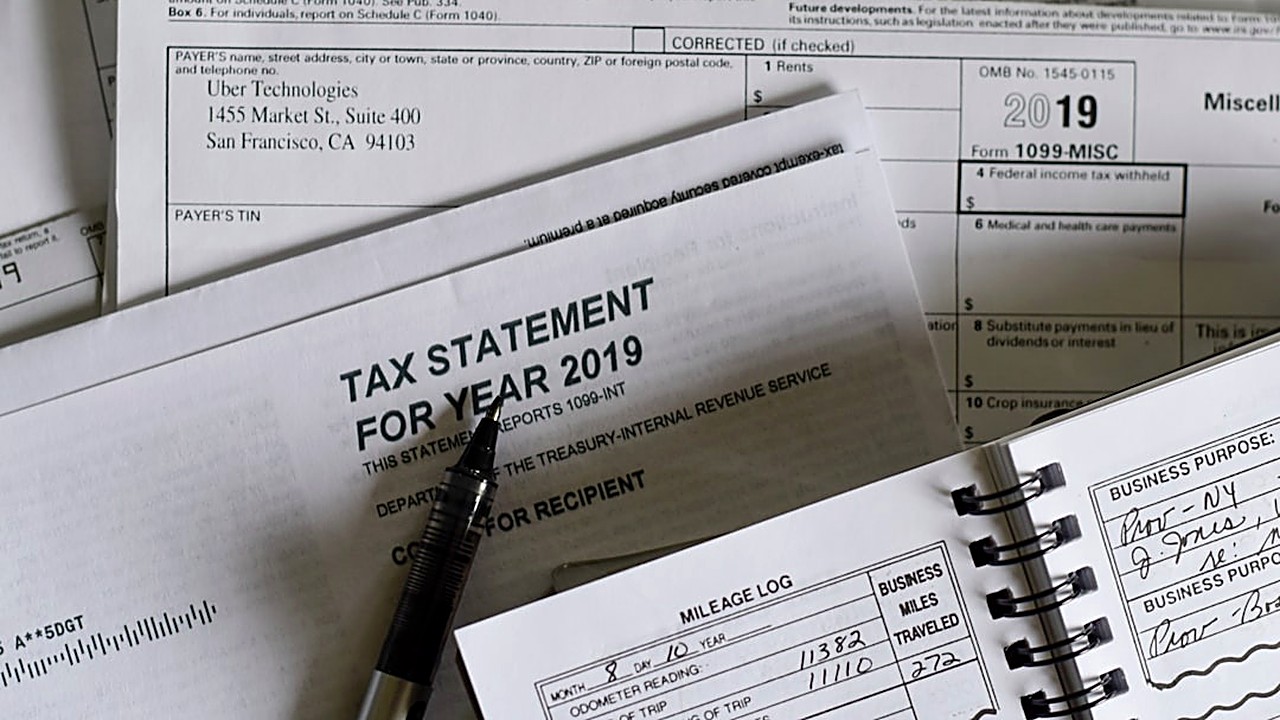 Tax Implications of Investing in Index Funds for Retirement →
At its core, compound interest is the process of earning interest on interest. Imagine you deposit $1,000 in a savings vehicle that yields 5% annually. After the first year you have $1,050. In year two you earn interest on $1,050, not just the original $1,000. The balance keeps expanding, and the growth curve bends upward.
The concept is simple, but many people underestimate its impact because the acceleration is not linear. In the first few years the increase feels modest; after a decade or two the numbers can look dramatic. That’s why financial planners often call it the "eighth wonder of the world." The math works the same for any currency, any account, and any investment that compounds on a regular schedule.
Clear money tips in your inbox. No hype.
The Math Behind the Magic
Affiliate link. We may earn a commission on purchases, at no extra cost to you.
This content is informational and is not investment advice or financial consulting.
The standard formula is A = P (1 + r/n)^(nt) where:
- A is the amount after time t.
- P is the initial principal.
- r is the annual rate expressed as a decimal.
- n is the number of compounding periods per year.
- t is the number of years.
If you let a $5,000 investment sit for 30 years at 6% compounded annually, the calculation becomes 5,000 × (1 + 0.06)^30, which equals roughly $28,800. Double the rate to 12% and the same $5,000 becomes about $106,000. Small changes in rate or time produce outsized differences.
I first saw this effect in my own household budgeting. When I set up an automatic $200 monthly transfer into a low‑cost index fund at about 7% annual return, the account grew from a few hundred dollars to over $200,000 after 25 years. The numbers were not magic; they were the result of the compound formula working day after day.
Real‑World Example: A 30‑Year Journey
 How to Build a Long-Term Investment Plan When Your Income Is Irregular →
 How to Build a Retirement Investment Plan in Your 20s or 30s →
 Retirement Savings: How Much to Invest Monthly →
Consider two friends, Alex and Jamie. Both start with $10,000 at age 30. Alex contributes $300 each month, while Jamie contributes $600 each month. Both earn a modest 5% annual return, compounded monthly.
- Alex’s balance after 30 years: $10,000 × (1 + 0.05/12)^(12×30) + $300 × [(1 + 0.05/12)^(12×30) – 1] / (0.05/12) ≈ $350,000.
- Jamie’s balance after 30 years: Using the same formula with $600 monthly, the result is roughly $660,000.
Jamie contributed twice as much, yet the final balance is not just double; it’s almost 1.9 times larger. The extra contributions not only add principal but also generate additional interest that compounds over the same period. If Alex had waited a decade to start contributing, the final amount would shrink dramatically, even if the monthly contribution matched Jamie’s later on.
How Time, Rate, and Contributions Interact
Three variables drive the outcome:
1. Time – The longer the money stays invested, the more compounding cycles occur. A five‑year delay can cost you tens of thousands in potential earnings.
2. Rate – Higher rates accelerate growth. Even a half‑percentage point difference matters over decades.
3. Contribution Size – Regular additions boost the principal base, giving the interest more to work with.
These factors are not independent. A modest rate can be offset by a longer horizon, while a higher rate can compensate for smaller contributions. The key is to keep all three moving in the right direction. That’s why I advise anyone who can, to start early, even with a tiny amount, and to increase contributions whenever possible.
Practical Tips to Harness the Power
1. Automate Contributions – Set up a recurring transfer the day you get paid. Automation removes the temptation to skip months.
2. Choose Low‑Cost Vehicles – Fees eat into returns. Index funds or ETFs with expense ratios under 0.10% let more of your money compound.
3. Reinvest Dividends – Let dividends flow back into the same account. The reinvested cash becomes part of the principal that compounds.
4. Take Advantage of Tax‑Advantaged Accounts – Roth IRAs, 401(k)s, and similar plans allow earnings to grow tax‑free or tax‑deferred, amplifying the compounding effect.
5. Review and Adjust – Every few years, check whether your rate of return aligns with expectations. If you can secure a higher‑yielding option without adding risk, consider shifting.
Remember, the goal isn’t to chase the highest return at any cost. It’s to let the math work for you over time. Even a disciplined, steady approach can produce wealth that feels out of reach at first glance.
Disclaimer: NOT a CFP, NOT a Registered Investment Advisor. Content is informational. Consult a licensed professional for specific decisions.
Frequently asked questions
Does compound interest work the same for stocks as for savings accounts?
The principle is identical—earnings are reinvested and generate further earnings. However, stock returns are more variable, so the actual rate may fluctuate year to year.
How much does the compounding frequency matter?
More frequent compounding (monthly vs. annually) yields a slightly higher final balance. The effect is noticeable over long horizons but not as dramatic as changes in rate or time.
Can I see a noticeable benefit if I start contributing at age 40 instead of 30?
Starting ten years later reduces the number of compounding periods dramatically. Even if you increase contributions, you may still fall short of the earlier starter’s total.
Is it ever a good idea to withdraw earnings early?
Removing money interrupts the compounding cycle and can significantly lower long‑term growth. Early withdrawals should be reserved for true emergencies.
Do I need a financial advisor to benefit from compound interest?
No. The math is straightforward, and many low‑cost platforms let you set up automatic investing on your own. Professional advice can help with strategy, but the core concept is accessible to anyone.
*NOT a CFP, NOT a Registered Investment Advisor. Content is informational. Consult licensed professional for specific decisions.*
Clear money tips in your inbox. No hype.
Educational content, not personalized financial advice. Sources cited where applicable.