Annual Subscriptions: Divide by 12 and Never Get Surprised


Quick answer: Add up every annual subscription you pay, divide the total by 12, and round up. Move that amount each month into a separate savings account (a sinking fund) and pay each renewal from it, so yearly charges never break your monthly budget.↗ Share on X
To budget for annual subscription renewals, add up every yearly charge you pay, divide the total by 12, and move that amount into a separate savings account every month. That account is called a sinking fund. When a renewal hits, you pay it from the fund instead of from your regular checking money, so the charge never wrecks your month.
That is the whole idea. The rest of this article shows you exactly how to set it up, how to find the charges you forgot about, and what to do when the fund comes up short.
What is a sinking fund, in plain words?
 Budget for a New Baby Without Cutting What Really Matters →
 Pay for Your Pet's Yearly Vet Visit Without a Credit Card →
 How to Budget for Annual Fees Without Cashflow Pain →
A sinking fund is money you save on purpose for a bill you already know is coming. It is not an emergency fund. An emergency fund is for surprises, like a car repair or a lost job. A sinking fund is for things that are not surprises at all. You just pay them once a year, so they feel like surprises.
Annual subscriptions are the perfect example. Your car insurance, a warehouse club membership, a streaming plan you paid yearly to get a discount, antivirus software, cloud storage, a domain name, an annual app plan. Each one is small enough to forget and big enough to hurt when three of them land in the same month.
Clear money tips in your inbox. No hype.
Step 1: How do you find every annual charge you pay?
Affiliate link. We may earn a commission on purchases, at no extra cost to you.
This content is informational and is not investment advice or financial consulting.
Most people miss at least one or two yearly charges, because they only show up once. Here is how to catch them:
1. Download 12 months of bank and card statements. Not just one or two. A yearly charge only appears once, so you need the full year.
2. Search for words like "annual," "yearly," "renewal," and "membership." Many statements show these words in the description.
3. Check your email. Search your inbox for "your subscription will renew," "receipt," and "invoice." Companies often send a reminder a week or two before they charge you.
4. Check app stores. On a phone, the app store account page lists active subscriptions, including yearly ones.
5. Ask the people you share money with. A partner may pay for something you do not know about.
Write every charge on one list. Include the name, the amount, and the month it renews.
Step 2: How do you calculate the monthly amount?
 Hate Meal Planning? Cut Your Grocery Bill With 4 Habits →
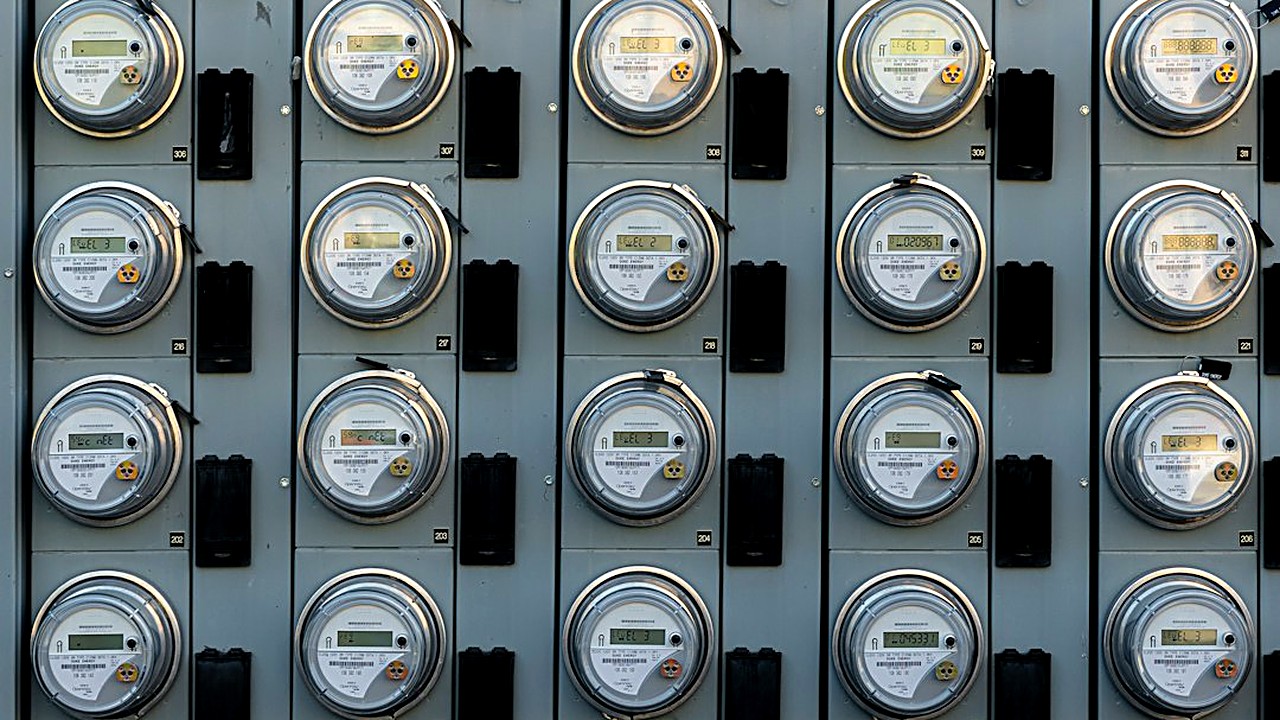 Utility Rates Keep Rising? Budget for Your Worst Month →
 How a Buffer Account Tames Your Variable Utility Bills →
Add up all the annual charges. Then divide by 12. Here is an example with made-up but realistic numbers:
| Subscription | Annual cost | Renewal month | Monthly share |
|---|---|---|---|
| Warehouse club membership | $65 | March | $5.42 |
| Antivirus software | $50 | June | $4.17 |
| Cloud storage plan | $100 | August | $8.33 |
| Streaming service (yearly plan) | $140 | October | $11.67 |
| Website domain and hosting | $120 | December | $10.00 |
| Total | $475 | $39.58 |
So in this example, you would move about $40 a month into the sinking fund. Round up, not down. If the math says $39.58, save $40 or even $45. Prices tend to go up at renewal time, and the extra few dollars protect you from that.
Step 3: Where should the money live?
Keep the sinking fund separate from your everyday checking account. If the money sits in checking, you will spend it without noticing. Good options:
- A separate savings account at your bank. Easy to set up, and you can usually move money in one tap.
- A high-yield savings account at an online bank. It may pay more interest, though transfers can take one to three business days. Plan for that delay.
- A "bucket" or "vault" feature. Some banks let you split one savings account into named sections. Name one "Annual Subscriptions."
Avoid putting this money anywhere it can lose value, like stocks. You need it on a set date, and you cannot wait for the market to come back.
Step 4: How do you make it automatic?
The best budget is the one you do not have to remember. Set up an automatic transfer from checking to the sinking fund. Schedule it for the day after your paycheck lands. That way, the money leaves before you can spend it.
If you get paid every two weeks, split the monthly amount in half. In the example above, that would be about $20 per paycheck. Some months have three paychecks; you can skip the extra transfer or keep it as a small cushion.
Step 5: How do you pay the renewal from the fund?
You have two simple choices:
1. Move the money first. A few days before the renewal date, transfer the exact amount from the sinking fund back to checking. Then let the charge go through as normal.
2. Change the payment card. If you use a card only for subscriptions, pay that card off from the sinking fund when the statement comes.
Choose one method and stick to it. Mixing the two is how people pay twice or forget to move the money.
What if you start late and a renewal is coming soon?
This is common. You set up the fund in May, but a $140 renewal hits in July. The fund will only have two months of savings. Here is how to handle it:
- Catch-up method: For the charge coming soon, divide its cost by the months left. $140 ÷ 2 = $70 a month for that one item. After it renews, drop back to the normal $11.67.
- Cancel or downgrade before it renews. A late start is a good moment to ask: do I still use this?
- Switch to monthly billing for one year. Paying monthly usually costs more in total. But if cash is tight, it can bridge the gap while the fund builds. Then switch back to yearly next time if the discount is worth it.
Should you pay yearly or monthly at all?
A yearly plan is often cheaper than paying month by month. But it only saves money if you actually use the service for the full year. Before each renewal, ask three questions:
1. Did I use this at least a few times a month?
2. Is there a free or cheaper option that does the same job?
3. Will I still need this in 12 months?
If the answer to the first question is no, cancel. A discount on something you do not use is not a saving.
How do you stop renewals from surprising you again?
Set a calendar reminder two weeks before each renewal date. That gives you time to decide if you want to keep it, and to move the money if needed. Many companies only let you cancel before the renewal day, and refunds after the charge are not always offered.
Also, review your list once a year. A good time is January, or the month you do your taxes. Add new subscriptions, remove cancelled ones, and update prices.
What mistakes break a sinking fund?
| Mistake | What happens | Fix |
|---|---|---|
| Keeping the money in checking | You spend it by accident | Use a separate account |
| Saving the exact amount, no extra | A price increase leaves you short | Round up every line |
| Borrowing from the fund for other things | The renewal comes and the money is gone | Use your emergency fund for emergencies |
| Forgetting to add a new subscription | The new one is not covered | Add it to the list the day you sign up |
| No reminder before renewal | You pay for things you meant to cancel | Calendar alert two weeks before |
Is this the same as a budget for all yearly bills?
You can use the same method for any bill that does not come every month. Car registration, holiday gifts, school supplies, and yearly insurance all work the same way. Some people keep one big "irregular bills" fund. Others keep a separate one for each type. One fund is simpler. Separate funds make it easier to see if one category is short.
If you are just starting, begin with subscriptions only. It is a small, clear list, and getting it right builds the habit.
When should you talk to a professional?
A sinking fund for subscriptions is a simple tool that most people can run on their own. But if you are behind on bills, using credit cards to pay for basic needs, or cannot find any money to save each month, the problem is bigger than subscriptions. In that case, a nonprofit credit counselor can review your full budget with you. Look for one connected to a recognized nonprofit agency, and be careful with any service that asks for big upfront fees.
Your next step
Today, open your last 12 months of bank and card statements and list every charge that shows up only once a year. Add them up, divide by 12, round up, and schedule an automatic transfer for that amount to a separate savings account the day after your next paycheck. Then put a reminder in your calendar two weeks before the first renewal on your list.
Disclaimer: This article is for general information and education only. It is not financial, tax or legal advice. Your situation may be different, and results depend on your own income, bills and habits. For advice about your personal finances, talk to a qualified financial professional or a nonprofit credit counselor.
FAQ
How much should I put in a subscription sinking fund each month?
Add the yearly cost of all your annual subscriptions and divide by 12. Round up a few dollars to cover price increases at renewal time.
What if a renewal is due before the fund has enough money?
Divide that one charge by the months left until it renews and save that bigger amount until then. You can also cancel, downgrade, or switch to monthly billing for one cycle.
Where should I keep a sinking fund?
In a savings account separate from your everyday checking, such as a second savings account or a named bucket. Do not keep it in investments that can lose value before the bill is due.
Clear money tips in your inbox. No hype.
Educational content, not personalized financial advice. Sources cited where applicable.