Does Your Credit Score Really Impact Your Auto Insurance Rates?


Quick answer: Yes, most insurers use credit‑based scoring to help set auto premiums. A higher credit score usually leads to lower rates, while a lower score can add a few hundred dollars per year. The effect varies by state and carrier, and other factors still play a big role.↗ Share on X
Why Credit Shows up on Your Auto Quote
 How Your Deductible Changes Car Insurance Claim Payouts →
 Does Your Occupation Affect Auto Insurance Rates? The Truth Revealed →
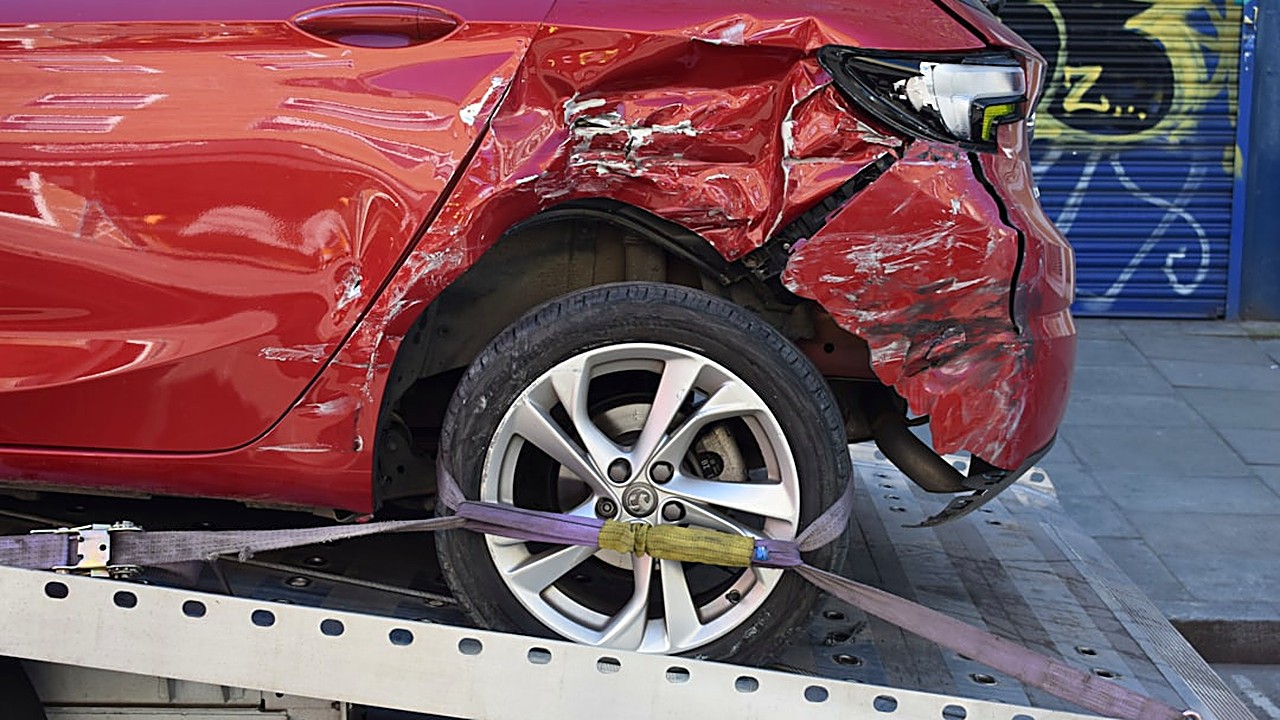 Understanding Gap Insurance: Do You Really Need It for Your New Car? →
When you request an auto insurance quote, the company pulls a handful of data points: driving record, vehicle type, mileage, and, in many states, your credit‑based insurance score. This score isn’t your standard FICO number, but it’s built from similar information—payment history, debt levels, length of credit history, and recent inquiries. Insurers treat credit as a proxy for risk: drivers with stronger credit histories are statistically less likely to file claims.
I first noticed this when I moved from Texas to Colorado. My credit stayed the same, but my premium jumped. The carrier explained that Colorado’s rating models weigh credit more heavily than my previous Texas insurer did. That experience reminded me how geography can shift the credit impact dramatically.
Clear money tips in your inbox. No hype.
How Insurers Weigh Credit Among Other Factors
Affiliate link. We may earn a commission on purchases, at no extra cost to you.
This content is informational and is not investment advice or financial consulting.
Insurance companies use a weighted formula to decide premiums. Typical components include:
- Driving record (35‑45%) – accidents, tickets, and DUI convictions.
- Vehicle characteristics (15‑20%) – make, model, safety features, and repair costs.
- Geographic risk (10‑15%) – local accident frequency, theft rates, and weather patterns.
- Credit‑based score (10‑15%) – derived from the same data that fuels a personal credit report.
- Other variables (5‑10%) – mileage, usage patterns, and optional coverages.
The exact percentages differ by carrier, but credit consistently appears in the middle of the mix. That means a clean driving record can offset a lower credit score, while a spotless credit score won’t erase the impact of multiple accidents.
State Regulations and the Legal Landscape
 How Occupation Impacts Life Insurance Premiums and Coverage →
 How Your Credit Score Affects New Driver Car Insurance Costs →
 Understanding No-Fault Auto Insurance Coverage →
Not every state allows insurers to use credit information. As of now, a handful of states—California, Hawaii, Massachusetts, and Michigan—prohibit credit‑based pricing altogether. In those markets, drivers see premiums based solely on driving‑related data.
In the remaining states, regulators require insurers to disclose how credit influences rates. Some states cap the credit factor, limiting the premium swing to a set percentage. For example, a state might allow credit to affect rates by no more than 5 % of the total premium. This regulatory nuance explains why two drivers with identical credit scores can receive different quotes depending on where they live.
Real‑World Numbers: What the Data Says
Multiple studies have examined the credit‑auto insurance link. One large analysis of millions of policies found:
- Drivers in the top 20 % of credit scores paid about 30 % less than those in the bottom 20 %.
- The average premium gap between a 750‑score driver and a 600‑score driver ranged from $150 to $400 per year, depending on the carrier.
- In states that ban credit‑based pricing, the premium gap shrank to roughly $30‑$70.
Consider a practical scenario: Jane, a 30‑year‑old with a 720 credit score, lives in Texas and pays $1,200 annually for full‑coverage liability. Mark, a neighbor with a 620 score, pays $1,550 for a similar vehicle. The $350 difference is largely tied to credit, even though both have clean driving records.
Steps You Can Take to Protect Your Rates
If you’re concerned about credit’s effect on your auto insurance, here are some actionable moves:
1. Check your credit report – Errors can drag your score down. Dispute inaccuracies promptly.
2. Pay bills on time – Payment history carries the most weight in credit‑based scores.
3. Keep balances low – High utilization signals financial strain and can raise your insurance score.
4. Limit new inquiries – Each hard pull can shave a few points off your score.
5. Shop around – Not all carriers weigh credit the same way. A quote from a company that relies less on credit could save you money.
6. Bundle policies – Some insurers offer discounts that offset a higher credit‑based premium.
When I moved to Florida, I asked three different insurers for quotes. The one that emphasized mileage and driving history over credit gave me a rate $120 lower than the carrier that leaned heavily on my credit score. That experience reinforced the value of comparison shopping.
Bottom Line: Credit Is a Piece of the Puzzle, Not the Whole Picture
Credit scores do influence auto insurance premiums in most states, but they sit alongside driving behavior, vehicle choice, and location. A strong credit profile can shave hundreds off your annual bill, while a weaker score may add cost. Because the impact varies by carrier and state, the best strategy is to maintain good credit habits, monitor your report, and obtain multiple quotes before committing.
Disclaimer: NOT a licensed insurance broker. NEVER recommends specific products. Consult a licensed broker for actual decisions.
Frequently Asked Questions
- Q: Can I get a lower auto insurance rate if I improve my credit score?
A: Generally, a higher credit score can reduce premiums, but the exact amount depends on the insurer’s weighting and your other risk factors.
- Q: Do all auto insurers use credit scores?
A: Most do, except in states that prohibit credit‑based pricing. Even in those states, some carriers may still consider credit indirectly.
- Q: How often do insurers update the credit information they use?
A: Many carriers refresh credit data annually or at renewal, though some may pull a new report when you request a fresh quote.
- Q: Will a single late payment hurt my auto insurance rates?
A: One late payment can lower your credit score modestly, which may translate to a small premium increase. The effect is usually less pronounced than a pattern of missed payments.
- Q: Are there any discounts that can offset a high credit‑based premium?
A: Yes. Safe‑driver discounts, multi‑policy bundling, low‑mileage discounts, and vehicle‑safety‑feature credits can all help lower the overall cost.
*NOT a licensed insurance broker. NEVER recommends specific products. Consult licensed broker for actual decisions.*
Sources
- NAIC — Consumer Insurance Resources — Guidance from the U.S. association of state insurance regulators.
- Experian — Credit Education — How credit scores and reports work, from a major credit bureau.
Clear money tips in your inbox. No hype.
Educational content, not personalized financial advice. Sources cited where applicable.