Emergency Fund on Minimum Wage: Start With $5 a Paycheck


Quick answer: Start small and automatic: set aside a fixed amount, even $5 to $20, every payday into a separate savings account you don't see every day. Aim for a first goal of $500, then one month of essential expenses. Add windfalls like tax refunds, and give yourself room to spend a little so the plan lasts.↗ Share on X
Yes, you can build an emergency fund on minimum wage, but the plan has to fit a tight budget: save a small, fixed amount every single payday, automatically, into a separate account, and aim first for $500, not for the "three to six months of expenses" you see everywhere. Even $10 a week adds up to $520 in a year. Small amounts you can keep up beat big amounts you quit after a month. The goal is not to suffer. The goal is to have some cash between you and the next flat tire, so one bad week doesn't turn into debt.
This article gives you a realistic plan, ways to find money without cutting every small joy, and what to do when the fund gets used.
Why save if there's barely anything left?
 Your Real Hourly Pay After the Commute: A Simple Worksheet →
 Multiple Debts? Which Interest Rate to Pay Off First →
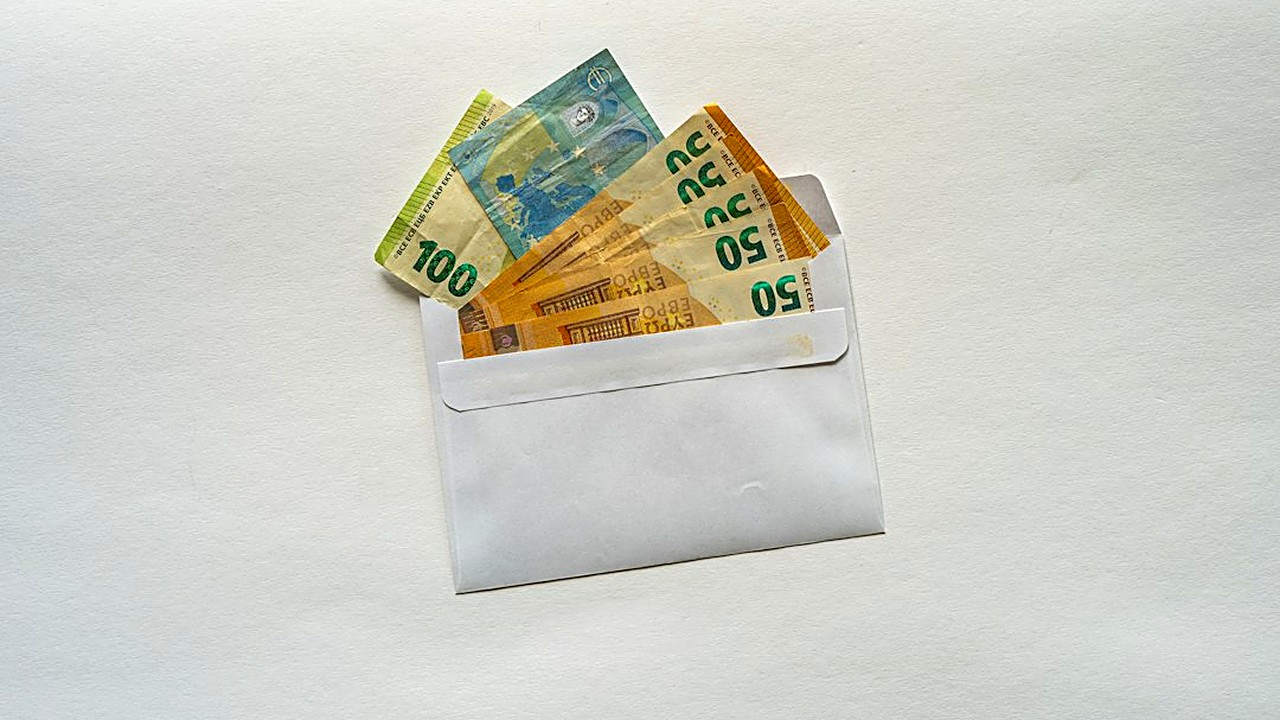 Zero-Based Envelope Budget for Bills That Change Every Month →
On low pay, a surprise bill is often what pushes people into credit card debt, overdraft fees or payday loans. Those cost money every month and make the next month even tighter. A small emergency fund breaks that cycle. A $400 car repair paid from savings is just a bad day. The same repair on a payday loan can turn into weeks of fees.
An emergency fund is money set aside only for real, unplanned needs, such as:
- car repairs you need to get to work
- a medical or dental bill
- a sudden drop in hours or a missed paycheck
- an urgent home or appliance repair
It is not for holidays, birthdays or sales. Those are expected costs and deserve their own small savings line.
Clear money tips in your inbox. No hype.
How much should you aim for on minimum wage?
Affiliate link. We may earn a commission on purchases, at no extra cost to you.
This content is informational and is not investment advice or financial consulting.
Forget the big number for now. Break it into stages so you see progress fast.
| Stage | Goal | What it covers |
|---|---|---|
| 1 | $100 | Small surprises: a prescription, a late fee, a bus pass |
| 2 | $500 | Many common emergencies, like a tire or a copay |
| 3 | $1,000 | Bigger repairs or a short gap in pay |
| 4 | One month of essential bills | Rent, utilities, food, transport for one month |
| 5 | Three months of essential bills | A job loss or a long cut in hours |
To find your stage 4 number, add up only your must-pay costs: rent, utilities, phone, groceries, transportation, minimum debt payments and insurance. Leave out streaming, eating out and shopping.
How long will it take at different amounts?
 Savings Rate for Two-Income Couples: The Simple Formula →
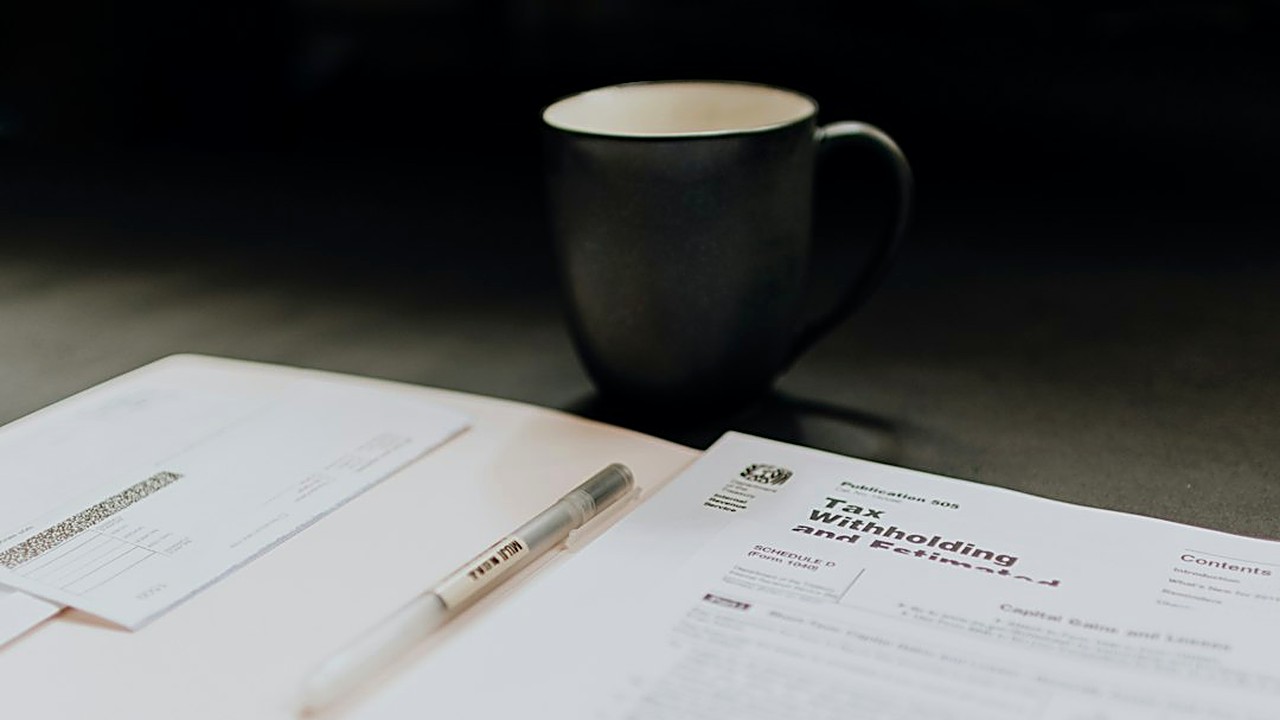 Find Forgotten Subscriptions on Your Bank Statement Fast →
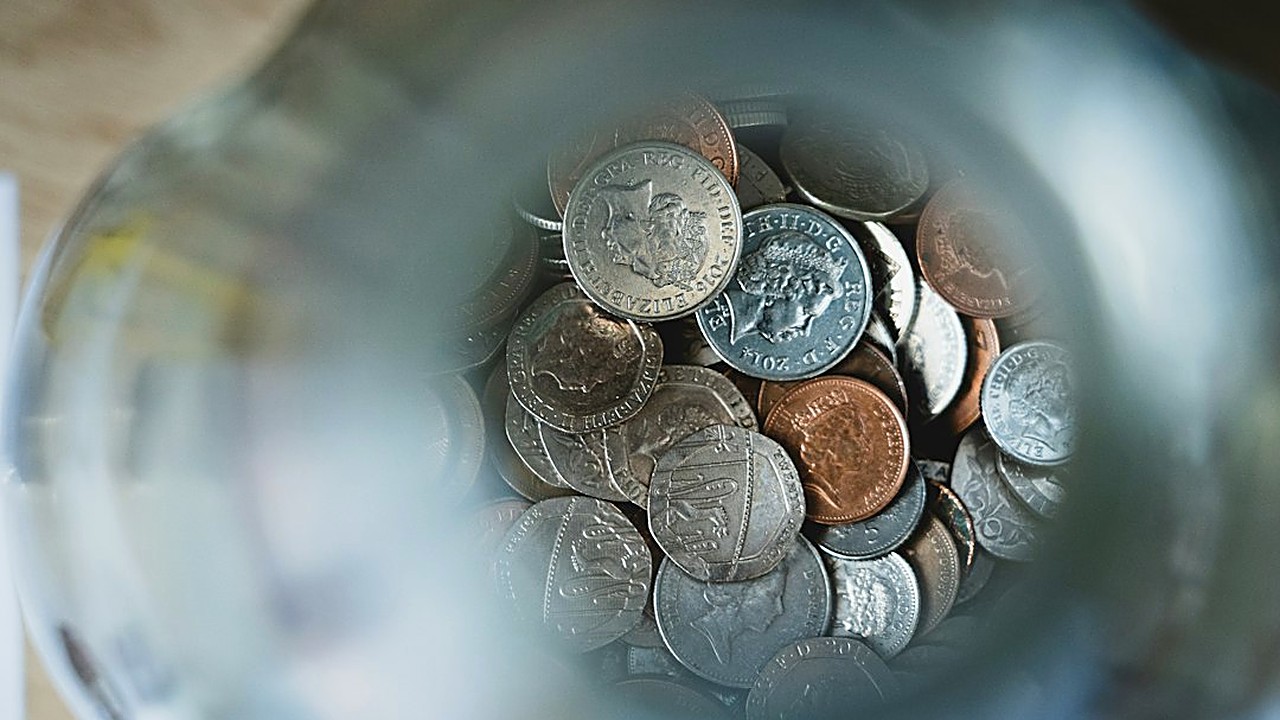 Savings Rate on Commission Income: The 12-Month Method →
This table shows how long it takes to reach $500 depending on how much you save. No interest is included, so the math is simple.
| Saved per week | Saved per month (about) | Weeks to reach $500 |
|---|---|---|
| $5 | $22 | 100 weeks |
| $10 | $43 | 50 weeks |
| $20 | $87 | 25 weeks |
| $30 | $130 | about 17 weeks |
| $50 | $217 | 10 weeks |
If even $5 a week feels like a lot, start there anyway. The habit matters more than the amount at the beginning. You can raise it later when a bill is paid off or your hours go up.
Step by step: how to build the fund without burning out
1. Open a separate savings account
Keep the money away from your everyday checking account. If it sits next to your spending money, it will get spent. A different bank works even better, because transfers take a day or two and that small delay stops impulse spending. Choose an account with no monthly fee and no minimum balance.
2. Pick an amount you won't feel much
Look at your last two months of spending. Choose an amount that you would barely miss, even if it's only $5 or $10 per paycheck. It is better to start too small and raise it than to start too big and give up.
3. Make it automatic on payday
Set up an automatic transfer for the day your paycheck lands. Many employers also let you split your direct deposit, sending a fixed amount straight to savings. Money you never see in checking is money you won't miss.
4. Name the account
Rename the account in your banking app to something like "Car Repair Fund" or "Peace of Mind." It sounds silly, but a clear name makes it harder to dip in for non-emergencies.
5. Add extra money when it shows up
Small, steady savings build the base. Bigger chunks speed it up. When you get extra money, send part of it to the fund:
- tax refund
- overtime or an extra shift
- a cash gift
- money from selling something you no longer use
- a rebate or cash back
A simple rule many people find easy to follow: save half of every windfall and enjoy the other half.
6. Keep a little fun money
Cutting every treat is the fastest way to burn out. Keep a small amount each week for something you enjoy, like a coffee, a movie or a meal out. A plan you can live with will last much longer than a strict plan you hate.
Where can you find a few extra dollars a week?
You don't need to cut everything. Look for one or two changes that hurt the least.
1. Check your subscriptions. Cancel any streaming, app or gym membership you haven't used in the last month.
2. Call your phone and internet provider. Ask about cheaper plans or low-income programs. Many providers offer them, but you usually have to ask.
3. Plan meals for the week. Writing a grocery list before you shop and cooking a few meals in bulk often cuts food waste and last-minute takeout.
4. Use public benefits you qualify for. Programs for food, utilities or health coverage free up cash. Check your state's benefits website or call 211 to ask what's available near you.
5. Avoid fees. Overdraft fees, late fees and ATM fees can eat a big part of a small budget. Turning on low-balance alerts can help.
6. Round up purchases. Some banks offer round-up features that move spare change to savings each time you use your debit card.
Pick one item from this list this week. Don't try all six at once.
What counts as a real emergency?
Before you take money out, ask yourself three quick questions:
1. Is it unexpected? A birthday is not unexpected. A broken tooth is.
2. Is it necessary? You need your car to get to work. You don't need a new TV.
3. Is it urgent? Can it wait until next payday, or does it need to be paid now?
If the answer to all three is yes, use the fund without guilt. That's what it's for.
What should you do after you use the fund?
Using the money is not failure. It means the plan worked. After an emergency:
1. Pause any extra spending for a few weeks if you can.
2. Restart your automatic transfer right away, even at a lower amount.
3. Send your next windfall to refill it.
4. Go back to the stage you were on. If you had $500 and spent $300, your goal is to get back to $500, not to start the whole plan over.
When should you talk to a professional?
This article gives general information, not personal financial advice. Your situation might call for expert help, especially if:
- you are behind on rent or utilities
- you have payday loans or high-interest debt piling up
- collectors are calling you
- you can't cover basic needs even before saving
In those cases, a nonprofit credit counselor can look at your full budget, help you talk to creditors and suggest a plan. Look for counselors connected to a recognized nonprofit agency, and be careful with companies that charge big fees upfront or promise to make debt disappear.
Your next step
Today, open a free savings account separate from your checking account, or pick one you already have and rename it "Emergency Fund." Then set up an automatic transfer of an amount you won't miss, even $5 or $10, to run on your next payday. Write $500 on a sticky note as your first goal, and check your balance once a month, not every day.
FAQ
How much should my first emergency fund goal be?
A first goal of $500 to $1,000 is realistic for many people on low pay, and it covers many common surprises like a car repair or a medical copay. After that, work toward one month of your essential bills, then build from there as your income allows.
Should I pay off debt or build an emergency fund first?
Many people do both at once: make the minimum payment on every debt and build a small cushion first, so a surprise expense doesn't go on a credit card. If you have high-interest debt or payday loans, a nonprofit credit counselor can help you decide the right order for your situation.
Where should I keep my emergency fund?
Keep it in a savings account that is separate from your checking account, ideally at a different bank so it's not one tap away. Look for an account with no monthly fees and no minimum balance. The money should be easy to reach in a real emergency, but not so easy that you spend it on impulse.
Clear money tips in your inbox. No hype.
Educational content, not personalized financial advice. Sources cited where applicable.