Fender Bender? When Your Deductible Applies and Who Pays

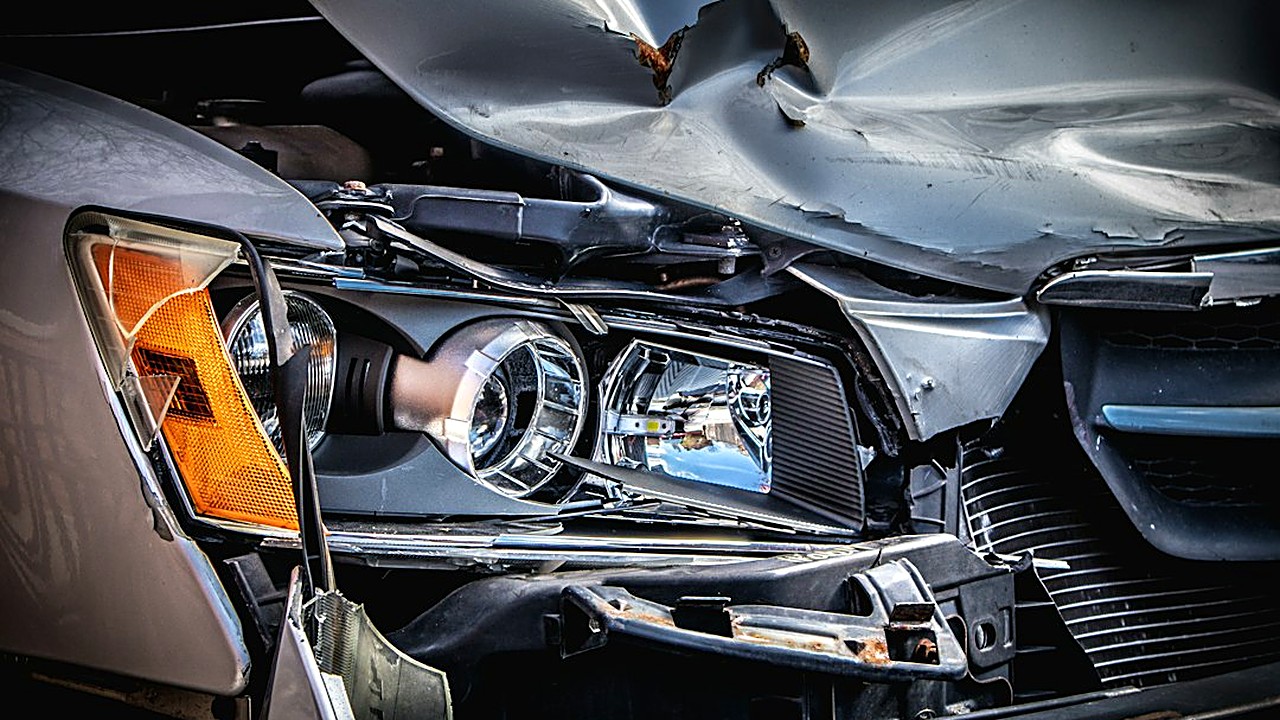
Quick answer: Your deductible only applies when you claim repairs to your own car through your collision coverage. You pay that amount first and the insurer pays the rest. If the other driver caused the crash, their liability insurance should pay and you usually owe no deductible.↗ Share on X
After a fender bender, your deductible only applies to repairs on your own car, and only when you claim through your own collision coverage. It is the amount you pay first, before your insurer pays the rest. If the repair costs $1,800 and your collision deductible is $500, you pay $500 and the insurer pays $1,300. If the repair costs less than your deductible, insurance pays nothing. And if the other driver caused the crash, their liability insurance should pay for your repairs, and you usually pay no deductible at all.
That is the short answer. Below, you will see who pays in each common fender-bender situation, when filing a claim makes sense, and what to do in the first 48 hours.
What is a deductible, in plain words?
 Does a Higher Deductible Really Lower Your Car Insurance? →
 Compare Car Insurance Quotes Without Getting Spam Calls →
 Changing Jobs? What Happens to Your Life Insurance Coverage →
A deductible is your share of a claim. It is a fixed dollar amount you picked when you bought the policy. Common choices are $250, $500 and $1,000, but your options depend on your insurer and state.
Two key points people often miss:
1. The deductible is not a bill you mail to the insurer. It is subtracted from the claim payment. In practice, you pay that amount to the repair shop, and the insurer pays the shop the rest (or sends you a check for the rest).
2. You pay it per claim, not per year. Two separate accidents in one year usually means two deductibles. This is different from many health insurance plans.
Clear money tips in your inbox. No hype.
Which part of my policy does the deductible apply to?
Affiliate link. We may earn a commission on purchases, at no extra cost to you.
This content is informational and is not investment advice or financial consulting.
An auto policy is a bundle of different coverages. Only some of them have a deductible.
| Coverage | What it pays for | Deductible? |
|---|---|---|
| Liability (property damage) | Damage you cause to other people's cars or property | Usually no |
| Liability (bodily injury) | Injuries you cause to other people | Usually no |
| Collision | Damage to your car from hitting a car or object | Yes |
| Comprehensive | Theft, hail, fire, hitting a deer, vandalism | Yes (often separate amount) |
| Uninsured motorist property damage | Your car, when the at-fault driver has no insurance | Depends on state; some have a small deductible |
| Medical payments / PIP | Medical bills for you and your passengers | Varies by state and policy |
So in a fender bender, the question is not "does my deductible apply?" It is "which coverage is paying, and for whose car?"
Who pays in the most common fender-bender situations?
 Auto Insurance Declarations Page: What Each Line Means →
 Switching Car Insurance? Do It in This Order to Avoid a Gap →
 Insurance Deductible Mistakes: 9 Signs You're Overpaying →
Situation 1: You caused the crash
- The other driver's car: your property damage liability pays. You pay no deductible for this part.
- Your car: only covered if you have collision coverage. You pay your collision deductible.
- If you only have liability coverage (common on older, paid-off cars), nobody pays for your car. You cover your own repair.
Situation 2: The other driver caused the crash
- Your car: their property damage liability should pay. No deductible for you.
- The catch: their insurer may take days or weeks to accept fault. If you need your car fixed fast, you can claim through your own collision coverage instead. You pay your deductible up front, and your insurer then tries to recover the money from the other insurer. This process is called subrogation. If it succeeds, you may get your deductible back, in full or in part.
Situation 3: Fault is shared or unclear
This depends heavily on your state's rules. Some states split costs by percentage of fault. In those cases, you may pay part of your deductible, or your insurer may recover only part of it. Ask your adjuster how your state handles shared fault.
Situation 4: Hit-and-run in a parking lot
- If the other driver cannot be found, you can usually claim under collision (pay your collision deductible).
- In some states, uninsured motorist property damage can cover hit-and-runs, sometimes with a lower deductible. Rules vary a lot, so check your policy wording.
- File a police report quickly. Many insurers require it for hit-and-run claims.
Situation 5: The other driver has no insurance
Uninsured motorist property damage (if you have it) or collision coverage pays for your car. Each has its own deductible terms. You can also sue the other driver, but collecting money from someone without insurance is often hard.
Should I even file a claim for a small fender bender?
Not always. Here is a simple way to decide.
Step 1: Get a repair estimate. Ask one or two body shops for a written estimate before calling your insurer.
Step 2: Compare it to your deductible.
| Estimate vs. deductible | What it usually means |
|---|---|
| Estimate below deductible | Insurance pays $0 for your car. A claim may still be recorded. Usually not worth filing for your own car. |
| Estimate slightly above deductible (for example, $700 with a $500 deductible) | Insurance pays $200. Weigh that against a possible rate increase. |
| Estimate far above deductible | Filing usually makes sense. |
| Someone else may be hurt, or the other car has damage | Report it to your insurer. Do not try to handle injury or third-party damage privately. |
Step 3: Think about your premium. An at-fault claim can raise your rates at renewal, sometimes for several years. How much depends on your insurer, state and driving record. Some policies have "accident forgiveness" for a first accident. Call your agent and ask how a claim of this size would affect your premium. Asking a question is not the same as filing a claim, but ask whether the insurer records the call.
Step 4: Check your policy's reporting rule. Most policies require you to report accidents "promptly", even if you do not file a claim. If the other driver later says they were injured and you never reported the crash, your coverage could be at risk. When in doubt, report the accident and decide later whether to claim.
What should I do in the first 48 hours after a fender bender?
1. Check for injuries and move to safety. Call 911 if anyone is hurt or the cars block traffic.
2. Call the police if required. Many states require a report when there is an injury or damage above a set dollar amount. Even when not required, a report helps prove fault.
3. Swap information. Name, phone, insurance company, policy number, driver's license number, license plate, and car make and model.
4. Take photos. Both cars from all sides, the street, traffic signs, skid marks, and the other driver's insurance card.
5. Do not admit fault at the scene. Stick to facts. "I'm sorry, are you okay?" is kind; "It was my fault" can hurt your claim.
6. Get one or two repair estimates.
7. Call your insurer or agent to report the accident and ask about your options.
8. Keep every receipt — towing, rental car, repairs. You may be reimbursed.
How do I choose the right deductible for next time?
A higher deductible lowers your premium. A lower deductible means less cash out of pocket after a crash. To choose:
1. Look at your emergency savings. Could you pay $1,000 tomorrow without using a credit card? If not, a $1,000 deductible may be too risky for you.
2. Ask your insurer for quotes at each level. For example, compare the yearly premium at $500 and at $1,000.
3. Do the math. If raising the deductible by $500 saves you $100 a year, you would need five years without a claim to "break even".
4. Think about your car's value. On an older car worth only a few thousand dollars, paying for collision coverage plus a high deductible may not make sense. Some drivers drop collision on very old cars. Run the numbers with your agent before you do.
What questions should I ask my insurance agent?
- What is my collision deductible, and is my comprehensive deductible different?
- Do I have uninsured motorist property damage coverage, and does it have a deductible?
- If the other driver is at fault, can you waive my deductible or refund it after subrogation?
- Would this claim count as at-fault, and how might it affect my renewal price?
- Do I have accident forgiveness?
- Is rental car coverage included while my car is in the shop?
When should I talk to a professional?
If anyone was hurt, if the other driver disputes fault, or if the insurer denies or lowballs your claim, talk to a licensed insurance agent or a lawyer who handles car accident cases. Your state's department of insurance also takes consumer complaints and can explain your rights. This article is general information, not legal or insurance advice, and rules change from state to state.
Your next step
Find your policy's declarations page (the one-to-three-page summary at the front of your policy, also in your insurer's app). Write down three numbers on a sticky note and keep it in your glove box: your collision deductible, your comprehensive deductible, and your insurer's claims phone number. Then, after any fender bender, get a repair estimate first and compare it to that deductible before you decide to file.
FAQ
Do I pay a deductible if the other driver was at fault?
Usually not, if you claim through the other driver's liability insurance. If you use your own collision coverage to get repairs faster, you pay your deductible first and your insurer may recover it from the other insurer later.
Is it worth filing a claim if the repair costs less than my deductible?
For damage to your own car, insurance pays nothing below the deductible, so a claim usually does not help. You should still report the accident to your insurer if another car was damaged or anyone could be hurt.
Do I pay the deductible once a year or per accident?
Car insurance deductibles are normally paid per claim. Two separate accidents in the same year usually mean two deductibles. Check your policy, and ask your agent if you are unsure.
Clear money tips in your inbox. No hype.
Educational content, not personalized financial advice. Sources cited where applicable.