Grocery Budget for One Person: A Realistic Weekly Number

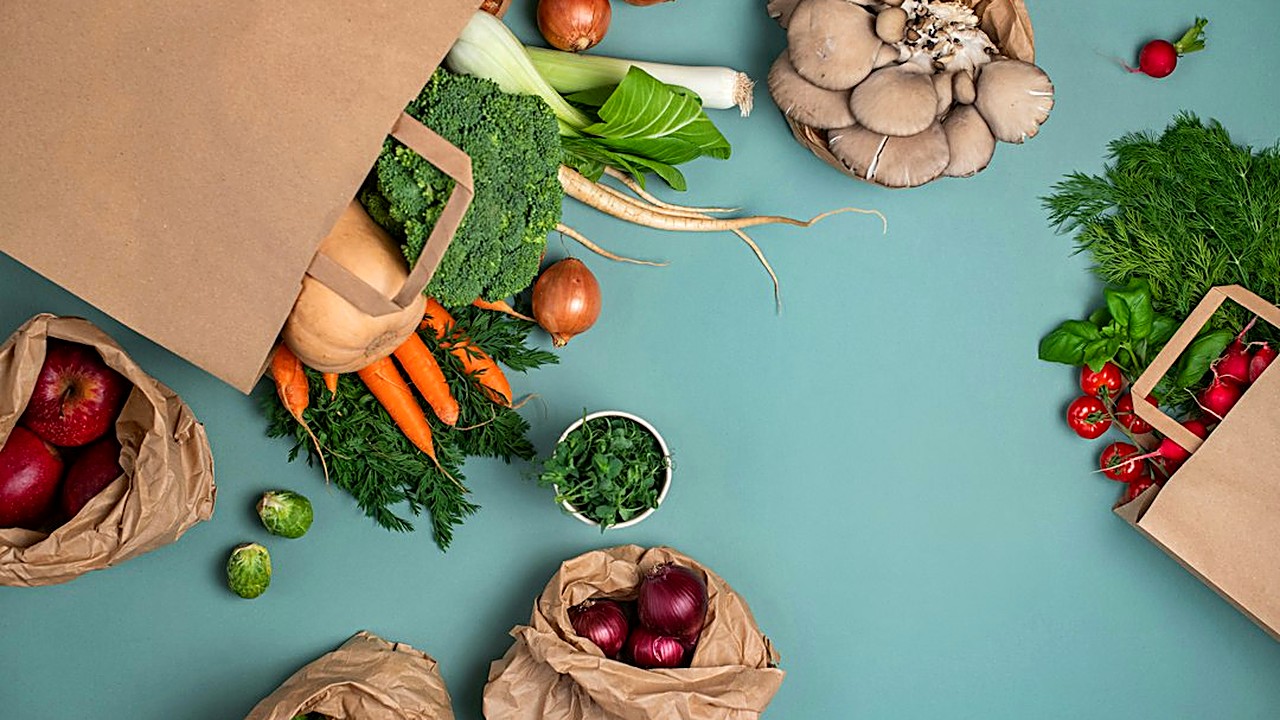
Quick answer: A realistic grocery budget for one person comes from two weeks of your own receipts minus the food you threw away. If you need a starting point, try $75 a week split into protein, produce, staples, and a small flex amount, then adjust after two weeks of tracking.↗ Share on X
A realistic grocery budget for one person is not a national average. It is the number you get from two weeks of your own receipts, trimmed by the waste you can see in your trash can. If you want a starting point before you have receipts, try $75 a week, then move it up or down after two weeks. Most single shoppers find their real number sits within $20 of that, in either direction, once they stop paying for food they throw away.
This article gives you the steps to find your number, split it, and stick to it without eating the same three meals forever.
Why does shopping for one cost more per person?
 How to Budget Groceries Across 3 Stores Without Overspending →
 A Monthly Budget for People Who Hate Math: 3 Numbers Only →
 Find Forgotten Subscriptions in Your Bank Statement Fast →
Food is packaged for families. A single shopper runs into four problems that a family of four never notices:
1. The smallest size is still too big. A bag of spinach, a loaf of bread, a bunch of cilantro. You use a third and the rest goes soft.
2. The unit price punishes you. The 1-pound pack of chicken costs more per pound than the 3-pound pack, so you either overpay or overbuy.
3. Spoilage hits harder. A family eats through a gallon of milk in three days. You take ten, and it goes sour on day seven.
4. Convenience is tempting. When cooking for one feels like too much effort for too little food, takeout and single-serve meals creep in.
None of this means you have to spend more. It means your plan has to be built around portions and storage, not around the shopping list a family would use.
Clear money tips in your inbox. No hype.
Step 1: find your real number from two weeks of receipts
Affiliate link. We may earn a commission on purchases, at no extra cost to you.
This content is informational and is not investment advice or financial consulting.
Do not guess. For two weeks, keep every grocery receipt, including corner-store stops and coffee runs that replace a meal. Also keep a note on your phone of every food item you threw out, with a rough price.
At the end of the two weeks:
- Add up all receipts. Divide by two. That is your current weekly spend.
- Add up the thrown-out items. Divide by two. That is your weekly waste.
- Subtract the waste from the spend. That is your realistic weekly budget if you fix nothing else.
Here is what that math looks like for someone who spends $104 a week and tosses about $18 of it:
| Item | Amount |
|---|---|
| Weekly grocery spend | $104 |
| Food thrown away per week | $18 |
| Realistic budget with zero waste | $86 |
| Stretch goal after fixing portions | $70 to $75 |
Your numbers will differ. The point is that your budget comes from your kitchen, not from a chart made for someone else.
Step 2: split the number into four buckets
 Pet Emergency Fund: How to Save Without Raiding Savings →
 Budget Your Cross‑Country Move Without Emptying Savings →
 How to Budget for Annual Fees Without Monthly Cash Crunches →
A single weekly number is hard to control because it disappears in one trip. Split it. For a $75 week, a workable split looks like this:
| Bucket | Share | Weekly amount | What goes here |
|---|---|---|---|
| Protein | 30% | $22 | Eggs, chicken thighs, canned fish, beans, tofu |
| Produce | 25% | $19 | Fresh and frozen vegetables, fruit |
| Staples | 25% | $19 | Rice, pasta, oats, bread, oil, spices, dairy |
| Flex | 20% | $15 | Snacks, coffee, one treat, a sauce you want to try |
The flex bucket matters. A budget with zero room for a bar of chocolate gets abandoned by week three. Give yourself the $15 on purpose, and when it is gone, it is gone.
Step 3: plan around three anchor meals, not twenty-one
The most common mistake when budgeting for one is planning seven different dinners. That means buying ingredients for seven recipes, and the leftovers of each one rot in the fridge.
Instead, pick three anchor meals for the week. Cook each one in a batch of three or four portions. Eat one fresh, refrigerate one for the next day, freeze the rest. Over a week, you eat each anchor meal twice or three times, with a different side or sauce so it does not feel repetitive.
Example for one week:
1. Anchor 1: chicken thighs, rice, roasted vegetables. Four portions.
2. Anchor 2: lentil and vegetable soup. Four portions, freezes well.
3. Anchor 3: pasta with canned tuna, garlic, and frozen peas. Three portions.
That is eleven dinners from three cooking sessions. Breakfast and lunch stay simple: oats or eggs, and a leftover from the night before.
Step 4: buy for one without the waste
A few habits cut spoilage almost to zero:
- Buy frozen vegetables and fruit for anything you will not eat within three days. Frozen produce is picked ripe and costs less per serving than fresh in most stores.
- Portion meat the day you buy it. Split the big pack into single servings, wrap each one, freeze. Now the cheaper unit price works for you.
- Buy bulk only for shelf-stable food. Rice, oats, pasta, canned goods, dried beans. Never buy bulk fresh food for one person.
- Freeze bread. Take out two slices at a time. It toasts straight from frozen.
- Pick vegetables that last. Carrots, cabbage, onions, potatoes, and squash keep for weeks. Buy greens only for the next two days.
- Keep a "use first" shelf. One spot in the fridge for anything that will go bad within 48 hours. Open the fridge, look there first.
Step 5: avoid the single-person price traps
These items feel cheap because the price tag is small. Per serving, they are the most expensive things in the store:
- Pre-cut fruit and vegetables. Often two to three times the price of whole produce.
- Single-serve anything. Yogurt cups, snack bags, microwave rice pouches.
- "Buy two, get one free" on perishables. Three pounds of strawberries for one person is a donation to the trash can.
- Delivery and pickup fees. A $6 fee on a $40 order is a 15% tax on your groceries.
- Shopping hungry or without a list. Not a product, but the biggest leak of all.
What a $75 week can look like
This is an example, not a prescription. Prices vary by region and season, so treat it as a template to adjust.
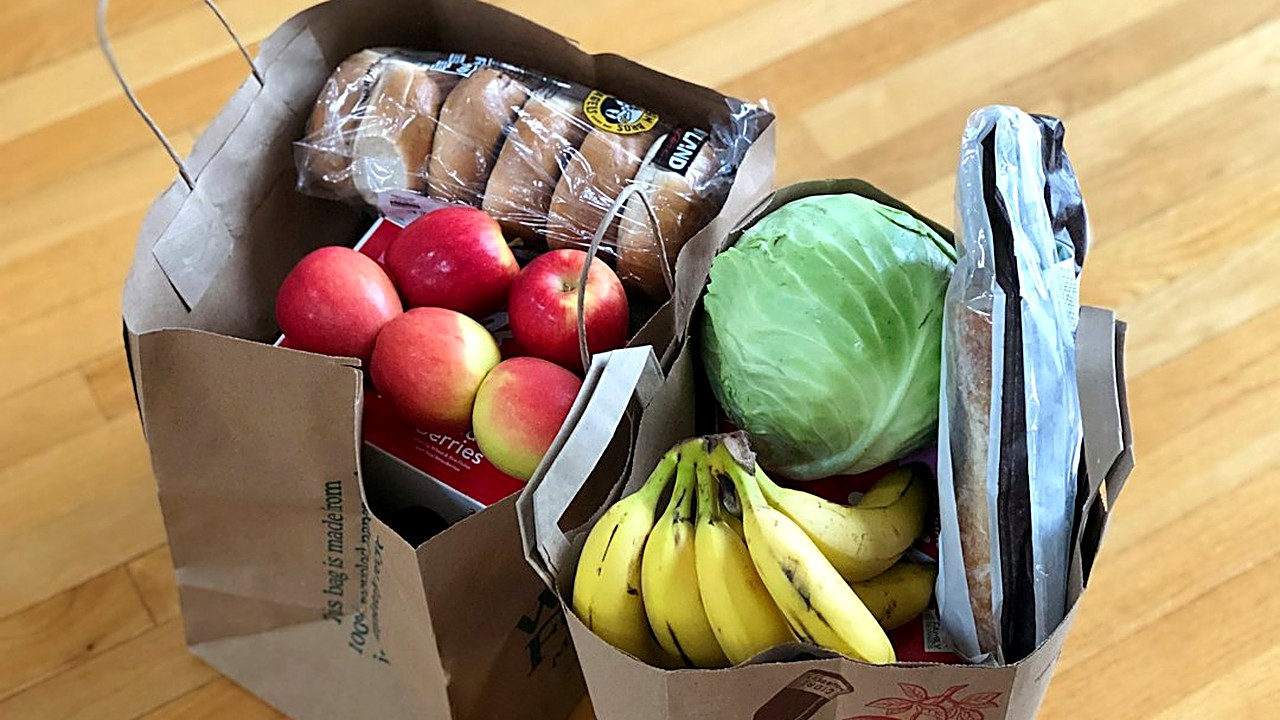
1. Chicken thighs, 3 pounds, portioned and frozen.
2. Eggs, one dozen.
3. Canned tuna, three cans.
4. Dried lentils, one bag.
5. Rice, 2 pounds.
6. Pasta, one box.
7. Rolled oats, one container.
8. Frozen mixed vegetables, two bags.
9. Frozen berries, one bag.
10. Onions, carrots, a cabbage, a bag of potatoes.
11. Bananas and apples.
12. Milk or a plant milk, a half gallon.
13. A block of cheese.
14. Bread, frozen the day you buy it.
15. Cooking oil, garlic, and one spice you are out of.
16. Flex: coffee and one treat.
If this list comes in over your number, drop the cheese and the treat first, then swap chicken thighs for more eggs and lentils. If it comes in under, add one fresh vegetable you actually enjoy.
What if groceries still do not fit the budget?
Sometimes the math does not work because income is the problem, not spending. If you have tracked for two weeks, cut waste, and your grocery bill still crowds out rent or medicine, that is a sign to get help rather than to eat less.
- Check whether you qualify for food assistance. In the United States, SNAP eligibility depends on income and household size, and a single adult with low income may qualify. Your state's benefits website has a screening tool.
- Use a local food bank. They exist for exactly this situation and most do not ask for proof of income.
- Talk to a nonprofit credit or financial counselor if groceries are one of several bills that are not fitting. A counselor can look at the whole picture, which an article cannot do.
Nothing here is a promise that a specific number will work for you. Your rent, your health needs, and your city's prices all change the answer.
Your next step
Tonight, put an envelope or a note on your fridge labeled "receipts." For the next two weeks, every grocery receipt goes in it, and every item you throw out gets written on the note with a rough price. Do nothing else yet. On day 15, do the three-line math from Step 1. That number, not $75 and not anyone's average, is your budget. Then pick your three anchor meals for the following week and shop once.
FAQ
How much should one person spend on groceries per week?
There is no single right number. A useful starting point is $75 a week, adjusted after you track your own receipts and waste for two weeks. Prices vary a lot by city and by how much you cook at home.
How do I stop wasting food when I cook for one?
Cook three anchor meals in batches of three or four portions, freeze what you will not eat in two days, buy frozen produce for anything beyond a three-day window, and portion meat into single servings the day you buy it.
Is it cheaper to buy in bulk when you live alone?
Only for shelf-stable food like rice, oats, pasta, and canned goods. Bulk fresh food almost always spoils before one person can eat it, which erases the savings.
Clear money tips in your inbox. No hype.
Educational content, not personalized financial advice. Sources cited where applicable.