Pet Emergency Fund: How to Save Without Raiding Savings

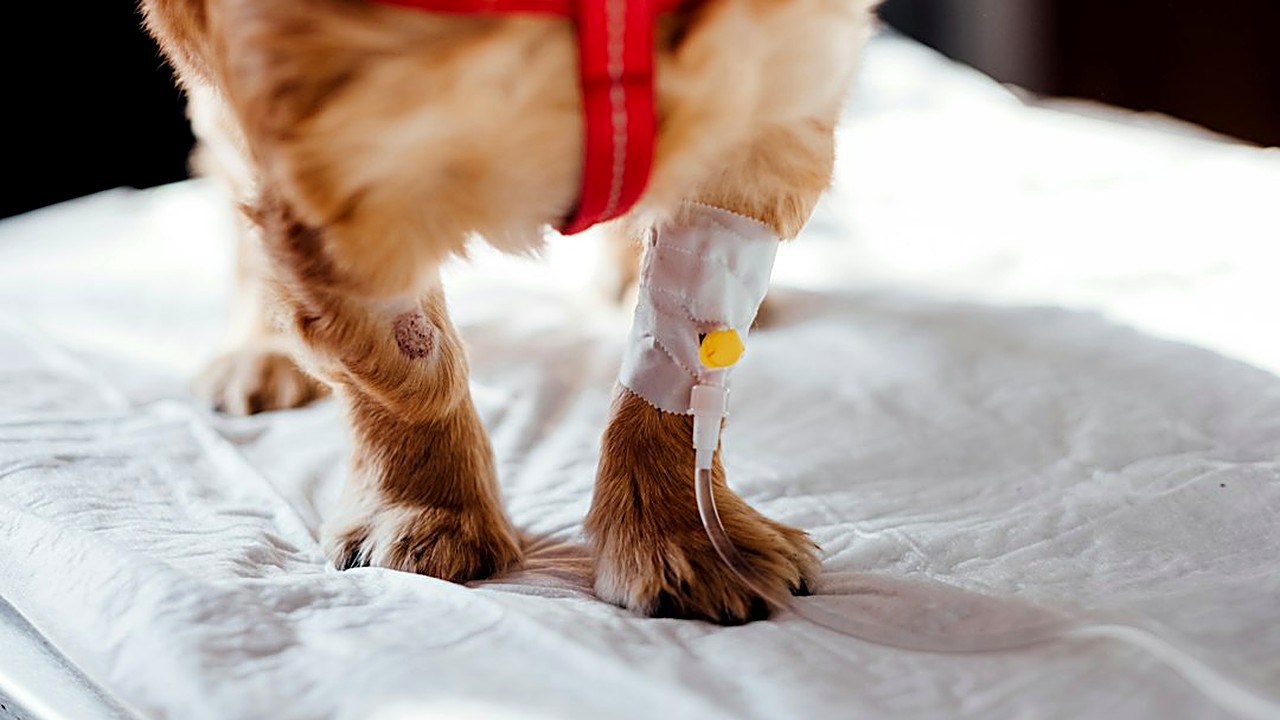
Quick answer: Open a separate savings account just for your pet and set a small automatic transfer for the day after each payday. Ask your vet what an urgent visit costs to set a target, and decide now how you would cover a bigger bill, such as insurance or a vet payment plan.↗ Share on X
The simplest way to budget for pet emergencies without touching your main savings is to open a separate "pet fund" and feed it with a small automatic transfer every payday, then decide ahead of time how you will cover a bill bigger than that fund (pet insurance, a vet payment plan, or a pre-set limit on a card). To choose your number, call your vet and ask what an emergency visit and a common urgent treatment cost in your area, pick a target, and divide it by the months you need to reach it. The rest of this article walks you through each step with real math you can copy.
Why does a pet emergency hit savings so hard?
 Pay for Your Pet's Yearly Vet Visit Without a Credit Card →
 How to Budget for Annual Fees Without Cashflow Pain →
 Hate Meal Planning? Cut Your Grocery Bill With 4 Habits →
Most pet costs are predictable: food, litter, yearly shots. Emergencies are not. A swallowed sock, a torn ligament, a sudden infection or a bad fall can turn into an exam fee, X-rays, medicine and sometimes surgery, all in one day. Emergency clinics open at night and on weekends usually charge more than your regular vet.
The problem is not only the size of the bill. It is that it lands with no warning, and many clinics ask for payment, or a deposit, before or right after treatment. If your only cushion is your general emergency fund, one bad week with your dog can wipe out the money meant for a job loss or car repair.
A separate pet fund protects both.
Clear money tips in your inbox. No hype.
How much should you set aside?
Affiliate link. We may earn a commission on purchases, at no extra cost to you.
This content is informational and is not investment advice or financial consulting.
There is no single right number. It depends on your pet's age, breed, health history and local vet prices. Use this process instead of guessing:
1. Call your regular vet and ask: "What does an urgent visit usually cost? What about X-rays and a typical overnight stay?"
2. Look up the nearest 24-hour emergency clinic and ask what the exam fee is just to be seen.
3. Check your pet's risk factors. Older pets, large breeds, flat-faced breeds and pets with a chronic illness often need more.
4. Pick a target that covers at least one emergency visit with basic tests. Many families choose a higher target for older or high-risk pets.
Write the number down. A specific goal is much easier to save for than "some money for the dog."
How long will it take to build the fund?
 Utility Rates Keep Rising? Budget for Your Worst Month →
 How a Buffer Account Tames Your Variable Utility Bills →
 Night Shift Utility Budget: Plan for Bills You Pay by Day →
Divide your target by what you can set aside each month. Here are example timelines:
| Target fund | Save $25/month | Save $50/month | Save $100/month |
|---|---|---|---|
| $500 | 20 months | 10 months | 5 months |
| $1,000 | 40 months | 20 months | 10 months |
| $2,000 | 80 months | 40 months | 20 months |
| $3,000 | 120 months | 60 months | 30 months |
If the timeline feels too slow, that is a sign to add a backup plan (covered below) while the fund grows. You do not have to choose between saving and insurance; many owners use both.
Where should you keep the pet fund?
Keep it where it is easy to reach in an emergency but not mixed with your spending money:
- A separate high-yield savings account at your current bank or an online bank. It earns some interest and you can transfer the money in a day or two.
- A "bucket" or "vault" inside your savings account, if your bank offers it. Many banks let you split one account into labeled goals.
- Name it clearly, such as "Max – Vet Emergencies." A name makes you less likely to raid it for other things.
Avoid putting this money in investments that can drop in value. Emergency money needs to be there in full on the day you need it.
How do you automate it without overdrafting?
Automation is what makes this work, but a transfer that empties your checking account causes overdraft fees. Set it up safely:
1. Schedule the transfer for the day after payday, not on a fixed date that might fall before your paycheck lands.
2. Start small. Even $10 or $15 per paycheck builds the habit. You can raise it later.
3. Keep a buffer in checking. Leave at least enough to cover your regular bills plus a small cushion before any transfer goes out.
4. Turn on low-balance alerts in your banking app so you see trouble before it becomes a fee.
5. Review every three months. If money is tight, lower the amount instead of stopping it.
Where can the money come from?
If your budget already feels full, look for small leaks you can redirect:
- Shop pet food and supplies smarter. Larger bags, subscribe-and-save deals or store brands your vet approves.
- Redirect "found" money. Tax refunds, cash gifts, rebates and work bonuses. Put a set share straight into the pet fund.
- Cancel one unused subscription and move that exact amount to the fund every month.
- Do preventive care. Yearly checkups, vaccines, dental care, parasite prevention and keeping your pet at a healthy weight can help catch problems early, when they are often cheaper to treat.
What if an emergency happens before the fund is full?
This is the most important part of the plan, so decide it now, while you are calm, not at the clinic at 2 a.m.
| Option | How it works | Watch out for |
|---|---|---|
| Pet insurance | You pay a monthly premium; the plan reimburses part of covered costs after your deductible | Waiting periods, pre-existing conditions not covered, you often pay the vet first and get reimbursed later |
| Vet payment plan | Some clinics let you pay a large bill in installments | Not every clinic offers it; ask before you need it |
| Medical or pet credit card | Some cards offer promotional no-interest periods for vet bills | If you don't pay the full balance in time, interest may be charged back to the purchase date |
| Pre-set limit on a regular credit card | You decide in advance the maximum you will charge | High interest if you carry the balance |
| Charities and local programs | Some animal welfare groups help with vet costs | Funds are limited and approval is not certain |
Two practical tips:
1. Read any insurance policy's exclusions before buying. Ask specifically about pre-existing conditions, hereditary conditions, waiting periods and yearly limits.
2. Ask your current vet today whether they offer payment plans or accept specific financing. Knowing the answer ahead of time saves panic later.
How do you set a spending limit before a crisis?
This step is hard to think about, but it protects you from decisions you might regret. Sit down with your family and agree on:
- The amount you can pay without hurting rent, food or other essential bills.
- Which options you would use beyond your fund, and in what order.
- What you would ask the vet in a serious case: the expected outcome, the full cost range, and whether there are lower-cost treatment options.
Vets understand money limits. You can always ask, "What are my options at different price levels?" A good vet will walk you through them.
When should you get professional advice?
If you are carrying high-interest debt, have no general emergency savings, or are thinking about using a credit card or loan to pay a large vet bill, talk to a nonprofit credit counselor or a licensed financial professional first. For medical decisions about your pet, always follow your veterinarian's advice; this article covers budgeting only and is not veterinary or financial advice for your situation.
Your next step
Today, open a separate savings account or bucket and name it after your pet. Schedule an automatic transfer of whatever you can, even $10, for the day after your next payday. Then call your vet and ask two questions: what an urgent visit typically costs, and whether they offer a payment plan. Write both answers down, set your target, and you will have a real plan ready before you ever need it.
FAQ
Is pet insurance better than a savings fund?
They do different jobs. A fund covers deductibles and smaller bills right away; insurance can help with large covered costs. Many owners use both. Read exclusions, waiting periods and yearly limits before buying a policy.
How much should I save for pet emergencies?
It depends on your pet's age, breed, health and local prices. Call your vet and the nearest emergency clinic, ask what an urgent visit with basic tests costs, and use that as your first target.
What if I can only save $10 a month?
Start with $10. The habit matters most, and you can raise the amount later. While the fund grows, decide on a backup option, such as asking your vet about a payment plan.
Clear money tips in your inbox. No hype.
Educational content, not personalized financial advice. Sources cited where applicable.