How Insurers Check Your Mileage for Low-Mileage Discounts

Quick answer: Insurers verify mileage with odometer photos, telematics devices or phone apps, vehicle history reports and service records. Many also check the odometer when you file a claim. Underreporting can mean a higher bill, a lost discount, or in serious cases a denied claim.↗ Share on X
Insurance companies verify mileage for low-mileage discounts in a few common ways: they ask you for an odometer photo (often through their app), they read your driving data from a plug-in device or phone app, they check vehicle history reports that record odometer readings at inspections and repairs, and they compare your claim against service records when something looks off. Many insurers also simply ask you at each renewal and check the number later, especially if you file a claim. If you underreport, the discount can be removed, your premium can be recalculated, and in serious cases a claim can be denied.
Below is how each method works, what you will be asked to send, and how to keep the discount without trouble.
Why do insurers care about your mileage?
 Divorced? Your Ex May Still Get Your Life Insurance Payout →
 Term Life With a Health Condition: How Approval Really Works →
 Fender Bender? When Your Deductible Applies and Who Pays →
The more you drive, the more time your car spends on the road, and the higher the chance of a crash. That is why annual mileage is one of the factors insurers use to set your price.
A low-mileage discount rewards drivers who stay below a certain number of miles per year. Each company sets its own limit. Some use bands like "under 7,500 miles" or "under 10,000 miles." Others use pay-per-mile plans where you pay a base rate plus a small charge for each mile.
Because the discount depends on a number you give them, insurers need some way to check it.
Clear money tips in your inbox. No hype.
The 6 ways insurers check your miles
Affiliate link. We may earn a commission on purchases, at no extra cost to you.
This content is informational and is not investment advice or financial consulting.
| Method | What you do | How often | Accuracy |
|---|---|---|---|
| Self-reported estimate | Tell them your yearly miles | At sign-up and renewal | Low on its own |
| Odometer photo | Snap a picture in the app | Once or twice a year | High |
| Telematics device | Plug a small device into the car | Continuous | Very high |
| Phone app tracking | Keep the insurer's app on | Continuous | High |
| Vehicle history report | Nothing, they look it up | When needed | Medium |
| Service or inspection records | Send receipts if asked | When needed | Medium to high |
1. Your own estimate
When you get a quote, you are asked how many miles you drive per year. Many people guess. Some insurers accept this number at first and check it later.
2. Odometer photos
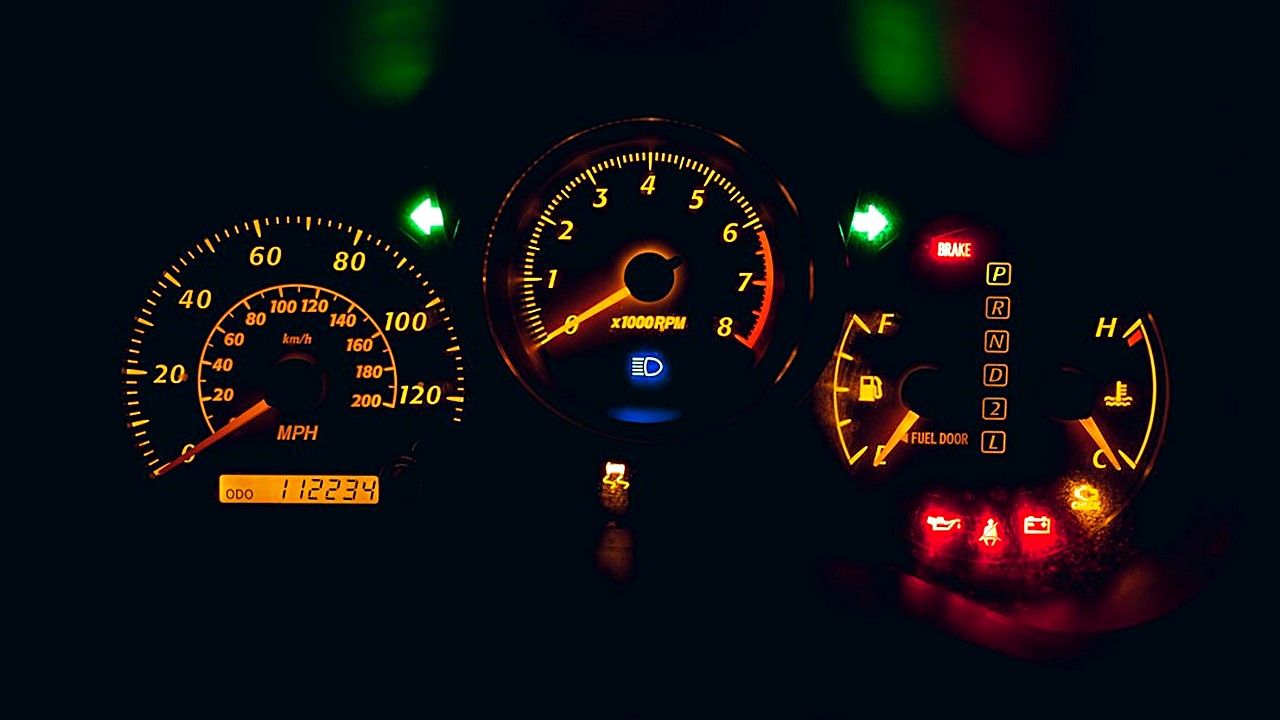
This is now one of the most common methods. The insurer asks you to take a clear photo of your odometer, sometimes with your license plate or VIN (the vehicle identification number on your dashboard or door frame) in a second picture. Apps often add a time stamp and location so the photo cannot be reused.
3. Telematics devices
Telematics means tracking driving data electronically. Some insurers mail you a small device that plugs into a port under your dashboard, called the OBD-II port. It records miles driven, and often braking, speed, and the time of day you drive. Pay-per-mile plans usually rely on this.
4. Smartphone apps
Instead of a device, some programs use your phone's GPS and motion sensors. The app detects trips and counts the miles. You usually need to keep location access turned on.
5. Vehicle history reports
Every time your car gets a state inspection, an emissions test, a title transfer, or certain repairs, the odometer reading may be recorded. Companies that build vehicle history reports collect these readings. An insurer can compare readings from two dates and estimate how far you actually drove.
6. Service records and claims
If you file a claim, the adjuster may note your odometer. Repair shops also write mileage on invoices. If the reading is far above what you reported, the insurer will notice.
What happens when you file a claim?
 How to Pick an Insurance Deductible You Can Really Afford →
 Insurance Policy Lapse: What Happens and How to Get Covered →
 Will Switching Life Insurance Policies Lower Your Payout? →
This is where mileage matters most. After an accident or theft, the insurer collects details about the car, including the odometer reading.
If the miles are much higher than what you reported, the insurer may:
1. ask you to explain the difference;
2. recalculate your premium for the period and bill you for the gap;
3. remove the low-mileage discount going forward;
4. in serious cases of intentional misreporting, deny the claim or cancel the policy.
Insurers call a false statement that affects the price a "misrepresentation." Rules vary by state and by policy wording, so how strictly it is handled depends on where you live and what you signed.
Is it worth joining a tracking program?
It depends on how you drive and how much privacy matters to you.
It often makes sense if:
- you work from home or use public transit most days;
- the car is a second vehicle that sits in the driveway;
- you mostly drive short, daytime trips.
Think twice if:
- you often drive late at night, when many programs count trips as riskier;
- you brake hard often in heavy traffic;
- you are uncomfortable with a company recording where and when you drive.
Before you enroll, ask the insurer these questions:
1. Does the program only track miles, or also driving behavior?
2. Can my rate go up based on the data, or only down?
3. How long is my data stored, and is it shared with anyone?
4. What happens if I unplug the device or turn off the app?
5. Does the discount end when the trial period ends?
Get the answers in writing, such as an email or the program terms.
How to keep your low-mileage discount without problems
Follow these steps:
1. Check your real mileage now. Write down today's odometer reading and the date.
2. Check it again later. After a month or two, subtract and multiply to estimate your yearly total.
3. Report a realistic number. Round up, not down. A slightly higher estimate is safer than a low one.
4. Update your insurer when life changes. New job with a commute, a move, a new driver in the house, or a long road trip planned? Call them.
5. Respond to photo requests quickly. Missing a requested odometer photo can cause the discount to drop.
6. Keep your service receipts. They show mileage over time and help if there is ever a question.
7. Read your renewal documents. Confirm the mileage listed is still accurate.
Common mistakes that cost drivers money
- Guessing at sign-up and never checking. Many people overestimate and miss a discount they qualify for.
- Forgetting about a new commute. Your mileage can double, and your policy still says you barely drive.
- Ignoring app or device problems. If a device stops working, tell the insurer so they do not assume you removed it on purpose.
- Lending the car for a long trip. Miles driven by someone else still count on your car.
- Not asking about the program rules. Some programs reward safe driving, but others can raise your price.
When should you talk to an agent or professional?
Talk to a licensed insurance agent or your insurer directly if:
- you are not sure whether your mileage still qualifies for the discount;
- you received a bill for a premium adjustment and do not understand it;
- a claim is being questioned because of your mileage;
- you are comparing pay-per-mile against a standard policy.
If a claim is denied or your policy is canceled and you believe it is unfair, you can contact your state's department of insurance. You may also want advice from an attorney who handles insurance disputes.
*This article is for general information only and does not replace advice from a licensed insurance agent or legal professional. Rules, discounts, and verification methods vary by insurer and by state.*
Your next step
Go to your car today and take a photo of the odometer. Save it with the date. Then open your current policy or app and find the yearly mileage listed. If the number on your policy is much higher than you really drive, call your insurer and ask what low-mileage options they have. If it is lower than reality, update it now, before a claim forces the question.
FAQ
Do all insurers require an odometer photo?
No. Some only ask for your estimate, some ask for photos once or twice a year, and pay-per-mile plans usually track miles with a device or app. Ask your insurer which method applies to your policy.
Can a telematics program raise my rate?
Some can. Certain programs only offer discounts, while others may increase the price based on driving behavior. Ask for the program rules in writing before you enroll.
What if my mileage goes up during the policy term?
Tell your insurer. Updating the number may change your price, but it avoids a recalculated bill or a claim problem later.
Clear money tips in your inbox. No hype.
Educational content, not personalized financial advice. Sources cited where applicable.