How to Compare Auto Insurance: A Step-by-Step Guide

Quick answer: To compare auto insurance, gather your current policy details, get quotes from at least three different providers, and compare the total cost including deductibles and coverage limits. Do not just look at the monthly price; look at what is actually covered in a crash.↗ Share on X
The Direct Answer: How to Compare Auto Insurance
 Should You Raise Your Deductible? Do the Math First →
 Do Roommates Make Renters Insurance Cheaper or Riskier? →
 Raising Your Deductible: When It Saves and When It Hurts →
Comparing auto insurance is a three-part process: gather your specific vehicle and driving data, request quotes from at least three distinct insurance companies, and analyze the total cost of coverage including deductibles and limits. You cannot compare apples to oranges. If one quote is for a basic liability policy and another is for full coverage, the lower price is misleading. You must compare policies that offer the same level of protection. This guide breaks down exactly how to do that without getting lost in confusing terms. It takes about 30 minutes to do it right. It is worth it because you could be paying hundreds of dollars a year for coverage you do not need, or worse, paying too little for coverage you do need.
Clear money tips in your inbox. No hype.
Why Your Current Quote Is Not Enough
Affiliate link. We may earn a commission on purchases, at no extra cost to you.
This content is informational and is not investment advice or financial consulting.
Many people keep their car insurance for five or ten years without looking at other options. They think their rate is fixed. It is not. Insurance premiums change based on your driving record, your age, your location, and the market. If you have not shopped around in two years, you are likely overpaying.
Insurance companies use complex algorithms to set your price. These algorithms change. One company might raise rates for drivers in your zip code while another lowers them. The only way to know where you stand is to get fresh quotes. This is not about being greedy. It is about managing your money wisely. For beginners, the biggest mistake is thinking that the cheapest monthly payment is the best deal. It is not. A low monthly payment often comes with a high deductible or weak coverage limits. We will fix that mindset in the next section.
Step 1: Gather Your Essential Information
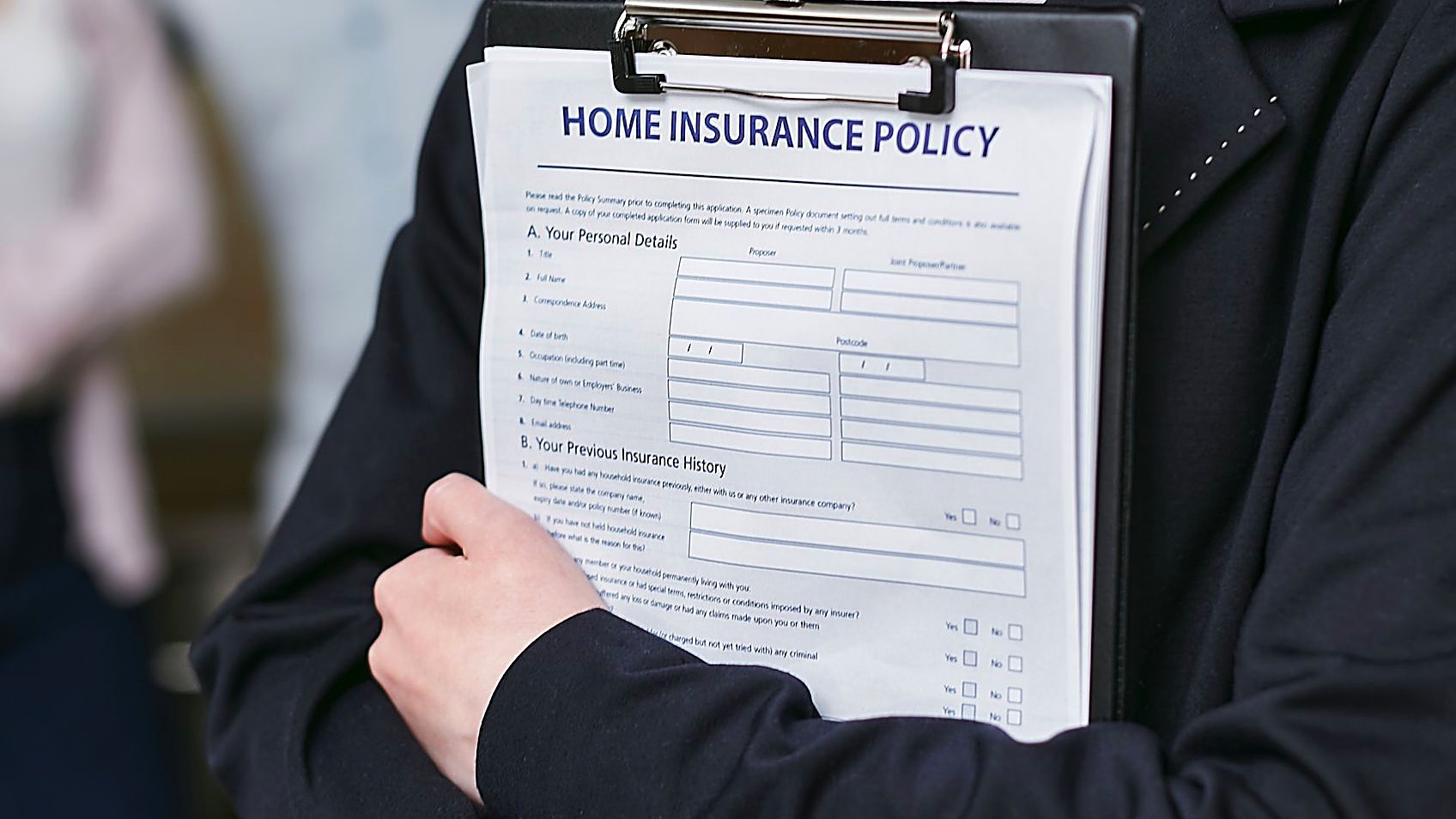 Should you raise your deductible? Run this math first →
 How to Compare Car Insurance Quotes Without Spam Calls →
 How High a Car Insurance Deductible Should You Pick? →
Before you call anyone or click any button, you need a list of facts. Insurance agents will ask for these details. Having them ready speeds up the process and prevents errors.
1. Vehicle Details: You need the VIN (Vehicle Identification Number). This is a 17-character code found on your dashboard or driver-side door jamb. It tells the insurer exactly what car you drive, including its year, make, model, and engine size.
2. Driver History: List all drivers who will use the car. Include their names, dates of birth, and any accidents or tickets in the last three to five years. If you have a clean record, say so clearly.
3. Current Policy Details: Look at your current insurance card or declaration page. Note your current deductible amount. Note your liability limits. For example, it might say 50/100/50. This means $50,000 for bodily injury per person, $100,000 for total bodily injury, and $50,000 for property damage.
4. Personal Info: Your address, email, and phone number. Your zip code matters a lot. Insurance rates vary by city and even by neighborhood.
Write these down on a piece of paper or a digital note. Do not rely on memory. If you miss a detail, the quote will be wrong, and you will have to start over.
Step 2: Understand the Key Terms
You do not need a law degree to understand insurance, but you do need to know what the words mean. If you do not understand the terms, you cannot compare policies. Here are the three most important concepts.
The Deductible
The deductible is the amount you pay out of pocket before the insurance company pays the rest. If you have a $500 deductible and you are in a $3,000 crash, you pay $500, and the insurance company pays $2,500.
Here is the trade-off: A higher deductible usually means a lower monthly premium. If you have $1,000 saved for emergencies, you can afford a higher deductible. This saves you money every month. If you have no savings, a lower deductible might be safer for your budget, even if the monthly cost is higher. Never pick a deductible that would ruin you financially if you had to pay it today.
Liability Limits
This covers damage you cause to others. It does not cover your own car. It covers their car and their medical bills. The standard format is three numbers, like 100/300/50.
- The first number is bodily injury per person.
- The second number is bodily injury per accident.
- The third number is property damage.
If you hit someone and they need $150,000 in surgery, but your limit is $100,000, you owe the extra $50,000 personally. This is a huge risk. Most experts suggest looking at limits that match your net worth. If you have a house and savings, you need higher limits to protect that money.
Collision and Comprehensive
These cover your own car.
- Collision covers your car if you hit something or flip it.
- Comprehensive covers your car from non-crash events like theft, hail, or hitting a deer.
If your car is old and worth less than $5,000, you might not need these. If paying for collision and comprehensive costs more than the car is worth, it is often smarter to drop them and keep only liability. This is a common way to save money. But if your car is new or financed, you likely need them.
Step 3: Get Quotes from Multiple Providers
Do not stick to one company. You need at least three quotes. Why three? Because rates vary wildly. One company might charge you $150 a month. Another might charge $90 for the same coverage.
You can get quotes online or by phone. Online is faster. You fill out a form, and you get instant results. Phone is better if you have a complex situation, like a recent accident or a new driver in the house.
When you get quotes, ask for the "all-in" price. This includes the premium, taxes, and fees. Some companies advertise a low base rate but add fees later. Ask: "What is the total monthly cost before any discounts?"
Also, ask about discounts. Common discounts include:
- Bundling: Paying for home and auto insurance with the same company.
- Good Student: If you are under 25 and have good grades.
- Low Mileage: If you drive less than 10,000 miles a year.
- Paperless: Paying bills online.
Make a simple table on your paper. List the company, the monthly cost, the deductible, and the liability limits. This makes comparison easy.
Step 4: Compare the Details, Not Just the Price
Now that you have your table, look at the differences. A $10 difference in monthly cost is not worth a $500 difference in deductible.
Check these specific points:
1. Deductible Amount: Is it the same across all quotes? If one quote has a $1,000 deductible and another has a $500 deductible, the lower price might be a trap. You are taking on more risk.
2. Coverage Limits: Are the liability limits the same? If one quote is 50/100/50 and another is 100/300/50, the second one is safer but more expensive. Decide what level of risk you can accept.
3. Exclusions: Read the fine print. Does the policy exclude rental car coverage? Does it exclude roadside assistance? If you need these, add them to the cost comparison.
4. Customer Service: Check reviews. If a company is cheap but has terrible reviews for slow claim payments, it is not a good deal. You want a company that pays you quickly when you have an accident. A quick search for "[Company Name] claims reviews" will give you the truth.
Step 5: Make the Switch and Cancel the Old Policy
If you find a better deal, do not wait. Cancel your old policy and start the new one. There is a small risk of a gap in coverage, so try to make the new policy start the day after the old one ends.
To cancel, call your current insurer. You do not need a reason. Just say, "I am switching to a different provider." They may try to offer you a discount to keep you. This is called "retention." If the discount makes their price better than your new quote, you can stay. If not, let them go.
Keep your cancellation confirmation in writing. Email it to yourself. This proves you were not uninsured during the switch.
Common Mistakes Beginners Make
Even with a guide, people make errors. Here are the top three to avoid.
Mistake 1: Ignoring the Deductible
People see a low monthly price and ignore the deductible. Then they get in a small fender bender and realize they have to pay $1,000 out of pocket. That is not a good deal. Balance the monthly cost with the out-of-pocket risk.
Mistake 2: Assuming All Companies Are the Same
They are not. Some companies are stricter about claims. Some are faster. Some have better apps. If you are a tech-savvy person, look for a company with a good mobile app for filing claims. If you prefer human help, look for a local agent.
Mistake 3: Not Updating Your Info
If you moved, got married, or added a driver, your old policy might be wrong. When you get new quotes, make sure the info is current. If you lie or omit info, your claim could be denied later. This is a serious financial risk. Always be honest.
When to Call a Professional
This guide covers standard personal auto insurance. If you have a complex situation, such as a high-value car, a commercial vehicle, or a serious legal issue, you should talk to an insurance agent. An agent can help you navigate complex policies. They are paid by the insurance company, so they work for you to find coverage. But be careful: some agents only sell one company. Look for an independent agent who can compare multiple companies for you.
Also, if you have been in a major accident, do not file a claim immediately without checking your deductible. If the repair cost is less than your deductible, it is cheaper to pay for it yourself. This keeps your rates from going up. But if the damage is severe, file the claim. Your safety is more important than a small rate increase.
Final Check: Your Action Plan
You now have the tools to compare auto insurance like a pro. Here is your checklist for this week:
1. Find your VIN and current policy details.
2. Write down your driving history and any tickets.
3. Get quotes from three different insurance companies online.
4. Create a table comparing monthly cost, deductible, and limits.
5. Read the reviews for each company’s claim process.
6. Pick the best value, not just the lowest price.
7. Call your current insurer to cancel or negotiate.
8. Confirm your new policy starts on time.
This process takes time, but it saves money. The average person can save significant amounts by shopping around once a year. Do not skip this step. Your wallet will thank you. And if you ever feel unsure about a term or a clause, ask the agent to explain it in simple words. You have the right to understand what you are buying. Never sign a document you do not understand. That is the most important rule of all.
FAQ
How often should I compare auto insurance?
You should compare quotes at least once a year. Rates change frequently. If you have not checked in 12 months, you might be overpaying. Set a calendar reminder for the same month each year to review your policy. This is a simple habit that saves money.
Is it worth paying more for a lower deductible?
It depends on your savings. If you have an emergency fund, a higher deductible is usually better because it lowers your monthly bill. If you have no savings, a lower deductible is safer because you will not be broke if you have an accident. Choose the option that fits your cash flow, not just the lowest sticker price.
Can I switch insurance companies mid-policy?
Yes, you can switch at any time. There is no penalty for leaving. You just need to make sure there is no gap in coverage. Start the new policy on the day the old one ends. This is a standard practice and is allowed by all insurance laws in the US.
What if I have a bad driving record?
A bad record, like tickets or accidents, will raise your rates. However, some companies specialize in high-risk drivers. They may offer coverage that standard companies refuse. Shop around specifically for these providers. Do not assume you cannot get insurance. You can, but it will likely cost more.
Does bundling home and auto insurance always save money?
It often does, but not always. The discount for bundling can range from 5% to 25%. Sometimes, the home insurance discount is larger than the auto discount. You need to calculate the total cost of both policies together. If the bundle saves you more than $100 a year, it is worth it. If not, you might be better off with separate companies.
FAQ
How often should I compare auto insurance?
You should compare quotes at least once a year. Rates change frequently. If you have not checked in 12 months, you might be overpaying. Set a calendar reminder for the same month each year to review your policy. This is a simple habit that saves money.
Is it worth paying more for a lower deductible?
It depends on your savings. If you have an emergency fund, a higher deductible is usually better because it lowers your monthly bill. If you have no savings, a lower deductible is safer because you will not be broke if you have an accident. Choose the option that fits your cash flow, not just the lowest sticker price.
Can I switch insurance companies mid-policy?
Yes, you can switch at any time. There is no penalty for leaving. You just need to make sure there is no gap in coverage. Start the new policy on the day the old one ends. This is a standard practice and is allowed by all insurance laws in the US.
Clear money tips in your inbox. No hype.
Educational content, not personalized financial advice. Sources cited where applicable.