How to Compare Auto Insurance Quotes Without Overpaying

Quick answer: Get at least three written quotes for the exact same coverage: same liability limits, deductibles, drivers, and cars. Compare the full-year price only after the coverage matches, then check each insurer's complaint record and claim service before switching.↗ Share on X
To compare auto insurance the right way, get at least three quotes for the exact same coverage: same liability limits, same deductibles, same drivers, same cars. Only then look at price. Many people compare a cheap quote with thin coverage against a pricier quote with strong coverage, and they pick the wrong one. Match the coverage first, then compare the total cost for a full year, then check how each company treats customers when they file a claim.
What does "the same coverage" actually mean?
 Insurance Deductible Mistakes: 9 That Cost You Real Money →
 9 Insurance Deductible Mistakes That Cost You at Claim Time →
 Should You Raise Your Deductible? Do the Math First →
An auto policy is a bundle of separate parts. Each part has its own limit (the most the insurer pays) or deductible (what you pay first, before the insurer pays). If even one of these is different between two quotes, the prices are not comparable.
Here are the main parts you will see on a quote:
| Coverage part | What it pays for | What to match between quotes |
|---|---|---|
| Bodily injury liability | Injuries you cause to other people | Per person and per accident limits, like 100/300 |
| Property damage liability | Damage you cause to other people's cars or property | The dollar limit |
| Collision | Damage to your own car from a crash | The deductible |
| Comprehensive | Theft, hail, fire, flood, hitting a deer | The deductible |
| Uninsured/underinsured motorist | Your costs when the other driver has little or no insurance | The limits |
| Medical payments or PIP | Medical bills for you and your passengers | The limit |
| Extras | Rental car, roadside help, gap coverage | Whether they are included |
A quick note on the numbers. A liability limit written as "100/300/100" means up to $100,000 per injured person, $300,000 total per accident for injuries, and $100,000 for property damage. Your state sets a legal minimum. The minimum is often far lower than what a serious accident can cost. If you cause more damage than your limit, you can be personally responsible for the rest.
Clear money tips in your inbox. No hype.
How do you get quotes you can trust?
Affiliate link. We may earn a commission on purchases, at no extra cost to you.
This content is informational and is not investment advice or financial consulting.
Follow these steps in order. It takes an hour or two if your papers are ready.
1. Gather your information first. You need your driver's license number, your car's VIN (the 17-character vehicle number on your registration or the driver-side dashboard), the address where the car is parked at night, and a rough count of miles you drive per year.
2. Pull your current policy's declarations page. This is the one- or two-page summary of what you have now. It shows every limit and deductible. Use it as your starting template.
3. Decide the coverage you want before you call anyone. Write it down: liability limits, collision deductible, comprehensive deductible, and extras. This keeps a salesperson from quietly changing things.
4. Get at least three quotes from different types of sellers. Try one large national company, one company that sells through local agents, and one independent agent who can shop several insurers for you. Different sellers see different prices.
5. Give every seller the same facts. Same drivers, same cars, same mileage, same address. Be honest about tickets and accidents. A quote based on wrong facts can change later or cause problems when you file a claim.
6. Ask for each quote in writing. An email or PDF with every coverage listed. A number said over the phone is not a quote you can compare.
7. Put all quotes into one simple table. List the six-month or twelve-month price, every limit, and every deductible side by side.
Why is the cheapest quote not always the best deal?
 Do Roommates Make Renters Insurance Cheaper or Riskier? →
 Raising Your Deductible: When It Saves and When It Hurts →
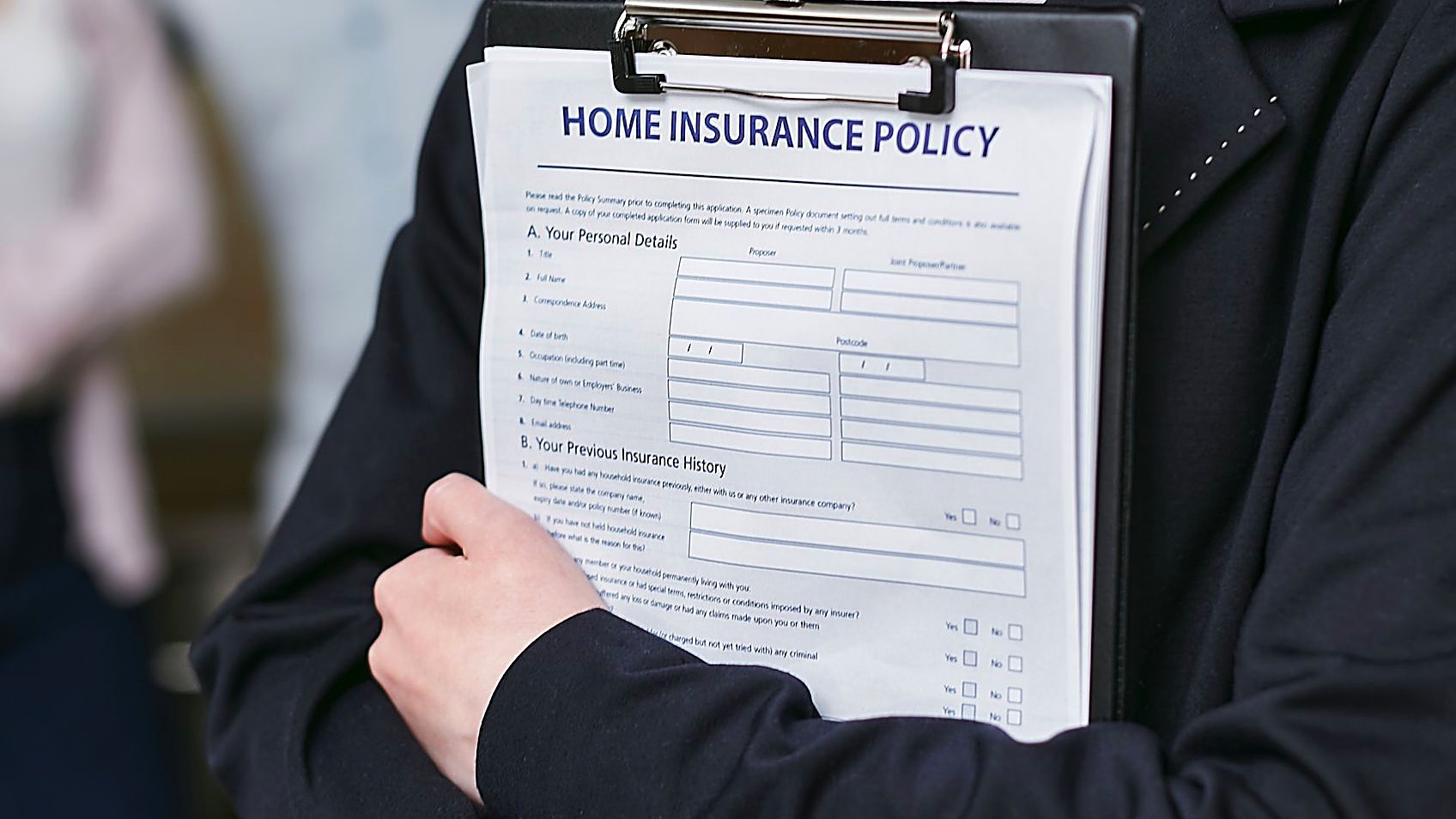 Should you raise your deductible? Run this math first →
A lower price usually means something is different. Look for these common gaps:
- Lower liability limits. A quote with state-minimum limits will look cheap next to a 100/300/100 quote.
- Higher deductibles. A $1,500 collision deductible costs less than a $500 one, but you pay $1,000 more out of pocket after a crash.
- Missing uninsured motorist coverage. Some states let you reject it in writing. Rejecting it lowers the price and raises your risk.
- Missing extras. Rental car coverage and roadside help can be left off.
- Different policy length. Some companies quote six months, others twelve. Double the six-month price before comparing.
- Discounts that may not last. Some prices include a discount that ends after the first term, or one that depends on a driving-tracking app.
Here is a simple example with made-up numbers to show the idea. Quote A is $600 for six months with a $1,000 collision deductible. Quote B is $650 for six months with a $500 deductible. Over one year, Quote B costs $100 more. If you have one collision claim that year, Quote B saves you $500 on the deductible, so it comes out $400 ahead. If you never crash, Quote A saves you $100. The right choice depends on how much cash you could pay on a bad day.
How do you pick a deductible you can actually pay?
Your deductible should be an amount you could pay tomorrow without borrowing. Ask yourself:
1. How much do I have in savings right now that is not needed for rent or food?
2. Could I pay this deductible and still cover my bills this month?
3. How much does the higher deductible save me per year?
If raising your deductible from $500 to $1,000 saves only a small amount per year, it may not be worth it. Divide the extra risk ($500 in this example) by the yearly savings. If the answer is many years, the lower deductible may be the smarter pick.
For older cars, look at the car's value. If your car is worth only a few thousand dollars, paying for collision and comprehensive may cost more over time than the car itself. You can check a car's approximate value on common car pricing sites. If a loan or lease is on the car, the lender usually requires both coverages, so you cannot drop them.
Which discounts should you ask about by name?
Insurers do not always apply every discount on their own. Ask each seller directly about:
- Bundling home or renters insurance with auto
- Having more than one car on the policy
- A clean driving record for a set number of years
- Paying the full term at once instead of monthly
- Paperless billing and automatic payments
- Good grades for student drivers
- Finishing a defensive driving course, where your state allows it
- Anti-theft devices and safety features
- Low yearly mileage
- Membership groups, employers, or military service
Usage-based programs track how you drive through an app or a plug-in device. They can lower your price if you drive gently and not much late at night. Read the rules first. Some programs can raise your price if the app records hard braking or late-night trips.
How do you check a company before you switch?
Price only matters until you need to file a claim. Then service matters more. Before you choose, check:
1. Complaint records. Your state's insurance department website often lists complaints by company. The National Association of Insurance Commissioners (NAIC) also has a public complaint lookup tool.
2. Financial strength ratings. Independent rating agencies grade whether an insurer is able to pay its claims. Look for a strong rating.
3. How claims are filed. Can you file by app, phone, and website? Is there 24-hour claim service?
4. Repair shop rules. Ask if you can choose your own shop or must use theirs.
5. Reviews from real customers. Look for patterns about slow claims or surprise price increases, not single angry posts.
When is the right time to compare?
Good moments to shop:
- About 30 days before your policy renews
- After you move to a new address
- After you buy or sell a car
- When a ticket or accident drops off your record (often after three to five years, depending on your state and insurer)
- After you get married or add or remove a driver
- When your renewal price goes up without a clear reason
Shopping once a year keeps you from paying more for the same thing out of habit.
How do you switch without a gap in coverage?
A gap, even one day, can be a problem. Driving without insurance is against the law in nearly every state, and a gap can make future quotes more expensive.
1. Buy the new policy and pick a start date.
2. Get proof of insurance from the new company (card or app).
3. Only then call your old company to cancel, with the cancel date on the same day the new policy starts.
4. Ask whether you get a refund for unused premium and whether there is a cancellation fee.
5. If you have a car loan, send the new proof of insurance to your lender.
6. Keep the cancellation confirmation in writing.
When should you talk to a licensed professional?
Talk to a licensed insurance agent or broker if you have a teen driver, a DUI or serious violation, business use of your car, a rideshare job, a very valuable car, or a home and meaningful savings to protect. These cases can need higher limits or an umbrella policy (extra liability coverage on top of your auto and home policies). Rules and required coverages change by state, so a licensed professional in your state can explain what applies to you. This article is general education, not personal insurance advice.
Your next step
Today, find your current declarations page and write down your liability limits and deductibles. That single page is your template. Then request three written quotes using exactly those numbers, put them side by side, and only then look at price.
FAQ
How many auto insurance quotes should I get?
Get at least three written quotes, ideally from a national company, a local agent company, and an independent agent who can check several insurers for you.
Is state minimum coverage enough?
State minimums are often far below what a serious accident can cost. If damages go past your limits, you can be personally responsible for the rest. A licensed agent in your state can help you choose limits that fit your situation.
When is the best time to shop for car insurance?
About 30 days before renewal, and after life changes like moving, buying a car, adding a driver, or when an old ticket or accident drops off your record.
How do I switch insurers without a gap?
Buy the new policy first, get proof of insurance, then cancel the old policy with the same date the new one starts. Keep the cancellation confirmation in writing.
Clear money tips in your inbox. No hype.
Educational content, not personalized financial advice. Sources cited where applicable.