Transportation Cost Savings: 7 Practical Ways to Slash Your Commute Expenses

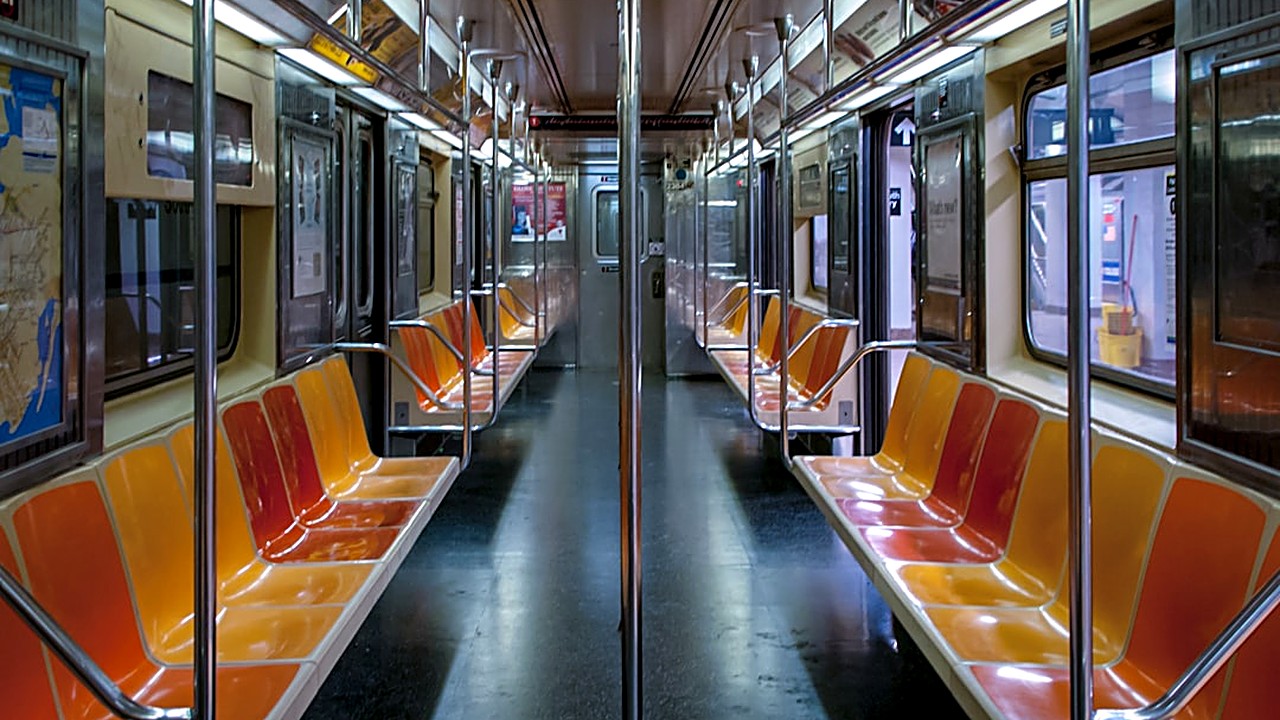
Quick answer: You can lower transportation costs without changing vehicles by optimizing fuel efficiency, reducing insurance premiums through higher deductibles, and minimizing unnecessary trips. These adjustments often save hundreds of dollars monthly while preserving your current vehicle's utility and comfort.↗ Share on X
The Hidden Costs in Your Current Vehicle
 11 Real Ways to Cut Monthly Expenses and Save Fast →
 11 Signs You Are Cutting Monthly Expenses the Wrong Way →
 Master Daily Spending with the Cash Envelope Method →
Most drivers focus on the sticker price of a car. They ignore the monthly bleed. Gas. Insurance. Maintenance. Parking. These line items add up fast. I remember auditing my own household budget fifteen years ago. I was shocked to see that my "cheap" sedan cost more to run than my previous luxury SUV. The difference wasn't the car. It was how I used it. And how I paid for it.
Before you look at a new car listing, look at your bank statements. Identify the top three transportation expenses. For most people, it is fuel, insurance, and routine maintenance. If you can attack these three areas, you will see a significant drop in your monthly outlay. You do not need a new set of keys to save money. You need a new strategy.
Clear money tips in your inbox. No hype.
Optimize Your Fuel Efficiency Habits
Affiliate link. We may earn a commission on purchases, at no extra cost to you.
This content is informational and is not investment advice or financial consulting.
Gas prices fluctuate. You cannot control the pump. But you can control the tank. Aggressive driving increases fuel consumption by 15% to 30%. Stop accelerating hard. Stop braking late. Smooth inputs save gas. It is a simple physics lesson. But most people ignore it.
Check your tire pressure. Under-inflated tires increase rolling resistance. This forces your engine to work harder. Check them once a month. It takes five minutes. It can save you a few dollars per gallon. Also, remove excess weight from your trunk. Old gym bags. Broken tools. Heavy boxes. Every hundred pounds adds drag. Your car is not a storage unit. Keep it light.
Plan your routes. Use navigation apps to avoid traffic. Idling in stop-and-go traffic wastes fuel. If you can combine errands, do it. One trip around the block beats three separate trips. This is about efficiency. It is about treating your gas budget like a strict line item. I used to drive to the store for a single item. Now, I batch my errands. My fuel bill dropped by nearly 20% in the first month.
Lower Your Insurance Premiums
 How to Build a Monthly Budget in One Hour This Weekend →
 Rent Went Up? How to Rebuild Your Budget in One Hour →
 Audit Your Utility Bills: Find the Charges You Can Cut →
Insurance is a fixed cost. But it is not static. You can negotiate it. Call your provider. Ask for a discount. Ask for a multi-policy discount if you bundle home and auto. Ask for a safe driver discount. You might be eligible for one you do not have.
Consider raising your deductible. This is the amount you pay before insurance kicks in. If you have a healthy emergency fund, a higher deductible can lower your monthly premium. For example, moving from a $500 to a $1,000 deductible might save you $30 to $50 a month. That is $360 to $600 a year. It is a trade-off. You pay more in an accident. But you pay less every month. This is a personal financial decision. Evaluate your risk tolerance. If you cannot afford a $1,000 out-of-pocket expense, do not raise your deductible. Keep it low. But if you have cash reserves, this is a powerful lever.
Also, review your coverage. Do you need full coverage on an older car? If the car value is low, comprehensive and collision coverage might cost more than the car is worth. Consult with an independent agent. They can help you find the right balance. Do not cancel coverage blindly. But do not pay for coverage you do not need.
Reduce Maintenance and Repair Costs
Prevention is cheaper than cure. This is true for your health. It is true for your car. Change your oil on time. Rotate your tires. Check your fluids. These small tasks prevent big breakdowns. A $50 oil change is better than a $2,000 engine repair.
Shop around for repairs. Do not go to the first shop you see. Get three quotes. Independent mechanics are often cheaper than dealership service centers. They use the same parts. They know the car. But they have lower overhead. Ask for the old parts. This ensures they actually replaced them. It is a simple check. It builds trust.
Learn basic car care. You do not need to be a mechanic. But you should know how to change a tire. How to check your battery. How to top off fluids. YouTube is full of guides. It saves you labor costs. It gives you confidence. I learned to change my own wiper blades. It took ten minutes. It saved me $40. Small wins add up.
Reevaluate Your Commute and Travel
Do you need to drive everywhere? Look at your commute. Can you carpool? Can you take public transit? Can you work from home one or two days a week? Even one day of remote work saves gas, parking, and wear-and-tear. It also saves time. Time is money.
If you use public transit, look for monthly passes. They are usually cheaper than single rides. Many cities offer discounted rates for employees. Ask your HR department. Some employers subsidize transit costs. This is a hidden benefit. Do not leave it on the table.
For longer trips, consider alternatives. Trains are often faster and cheaper than driving. They do not have parking fees. They do not have gas costs. You can work or read on the train. It is a different experience. It is often a better one. I took a train for a weekend trip last year. It was cheaper than driving. And I arrived relaxed. I was not stressed about traffic. It was a win-win.
Track Your Spending to Stay Accountable
You cannot manage what you do not measure. Track your transportation expenses. Use a spreadsheet. Use an app. Be honest. Record every gas fill. Every parking ticket. Every oil change. At the end of the month, look at the total. Compare it to last month. Compare it to last year. This data reveals trends. It shows where the money goes. It highlights inefficiencies.
Set a budget. Decide how much you will spend on transportation each month. Stick to it. If you go over, find where you can cut back. If you stay under, save the difference. This discipline builds wealth. It builds habits. It keeps you in control. I keep a simple spreadsheet. I review it every Sunday. It takes ten minutes. It keeps me on track. It prevents impulse spending. It makes me aware of my habits. Awareness is the first step to change.
Final Thoughts on Sustainable Savings
Saving on transportation does not require a new car. It requires attention. It requires discipline. It requires small, consistent changes. You can keep your current vehicle. You can enjoy its comfort. You can still save money. The key is to look at the whole picture. Not just the car. But the fuel. The insurance. The maintenance. The commute. These are the levers you can pull.
Start with one area. Pick the easiest one. Maybe it is checking your tire pressure. Maybe it is calling your insurance company. Start there. Then move to the next. Progress is better than perfection. You do not need to do everything at once. You just need to start. Your wallet will thank you. Your car will last longer. Your stress will decrease. It is a simple equation. Less waste. More savings. More freedom.
NOT a CFP, NOT a Registered Investment Advisor. Content is informational. Consult licensed professional for specific decisions.
Frequently asked questions
Is it cheaper to keep an old car or buy a new one?
It depends on the condition of your current vehicle and the price of the new one. Generally, if your car is reliable and repairs are under 50% of its value, keeping it is often cheaper. However, if repair costs exceed the car's value, a new or used vehicle might be more economical in the long run.
How much can I save by raising my insurance deductible?
Savings vary by provider and risk profile. Typically, moving from a $500 to a $1,000 deductible can save $30 to $50 per month. This amounts to $360 to $600 annually. Ensure you have an emergency fund to cover the higher deductible in case of an accident.
Does driving style really affect gas mileage?
Yes. Aggressive driving, such as rapid acceleration and hard braking, can reduce fuel economy by 15% to 30%. Smooth, steady driving improves efficiency. It is one of the easiest ways to save money without changing your vehicle.
Should I switch to an independent mechanic?
Independent mechanics often charge less for labor than dealership service centers. They use the same parts and have similar expertise. Get multiple quotes before choosing. Always ask for old parts to be returned to verify work was performed.
Can public transit be cheaper than driving?
In many urban areas, yes. Monthly transit passes are often cheaper than the combined cost of gas, parking, and wear-and-tear for daily commuting. Additionally, transit eliminates the need for a second vehicle or extensive parking fees.
*NOT a CFP, NOT a Registered Investment Advisor. Content is informational. Consult licensed professional for specific decisions.*
Clear money tips in your inbox. No hype.
Educational content, not personalized financial advice. Sources cited where applicable.