How to Start an Emergency Fund When You Have No Savings

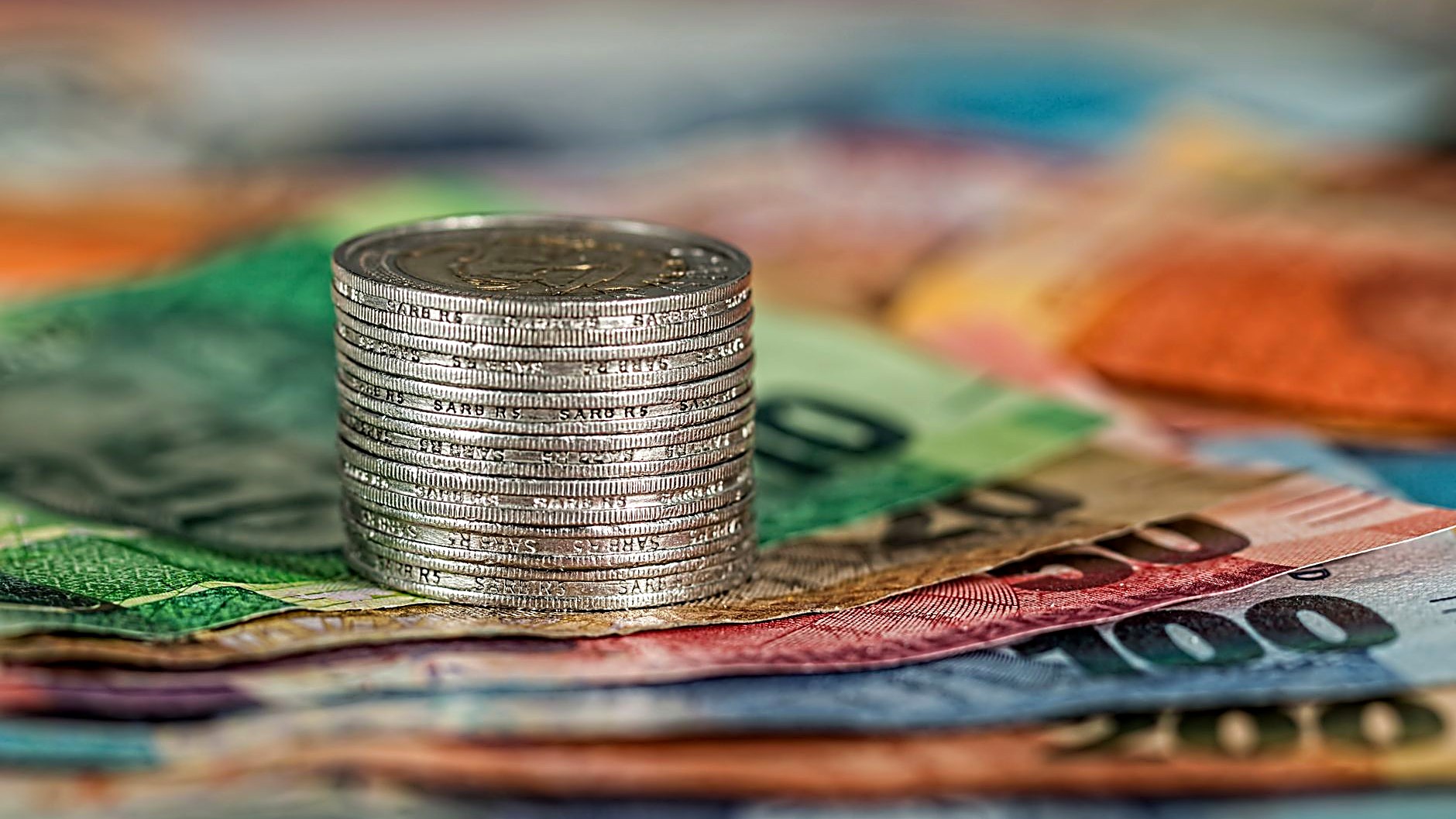
Quick answer: Begin by setting a tiny, reachable goal—like $500—then automate a modest portion of each paycheck into a separate, easily accessible account. Cut one non‑essential expense, use any windfalls, and watch the balance grow. Consistency beats perfection.↗ Share on X
Why an Emergency Fund Matters
 How to Use Cashback Apps to Boost Your Savings Efficiently →
 How to Build a Financial Safety Net as a Gig Worker →
 Choosing the Right Money Market Account for Your Emergency Fund →
An emergency fund is the financial safety net that keeps you from relying on credit cards or borrowing from friends when life throws a curveball. Studies show that households without a cash cushion are twice as likely to experience stress during a job loss or unexpected medical bill. The goal isn’t to become rich overnight; it’s to protect your basic needs—housing, food, transportation—when income pauses.
I remember a period three years ago when my family faced a sudden car repair that cost more than a month’s rent. With no savings, we scrambled for a high‑interest credit card and paid it off over two years, losing thousands in interest. That experience taught me the true cost of being unprepared and sparked the disciplined habit I follow today.
Clear money tips in your inbox. No hype.
Assess Your Starting Point
Affiliate link. We may earn a commission on purchases, at no extra cost to you.
This content is informational and is not investment advice or financial consulting.
First, take a clear inventory of your cash flow. List every source of income and every recurring expense for a typical month. Use a simple spreadsheet or a free budgeting app—no fancy software required. Identify the smallest gap you can redirect toward savings. It might be a $15 coffee habit, a streaming service you rarely use, or a single night out each week.
For example, cutting a $30 daily lunch habit and replacing it with a home‑packed meal saves roughly $900 a year. Even if you only allocate half of that amount, you still gain $450 to seed your emergency fund. The key is to find money that isn’t needed for essential bills.
Pick a Realistic Savings Target
 How to Cut Subscription Costs Without Skipping Your Favorite Content →
 Choosing Savings Accounts That Grow Your Emergency Fund Efficiently →
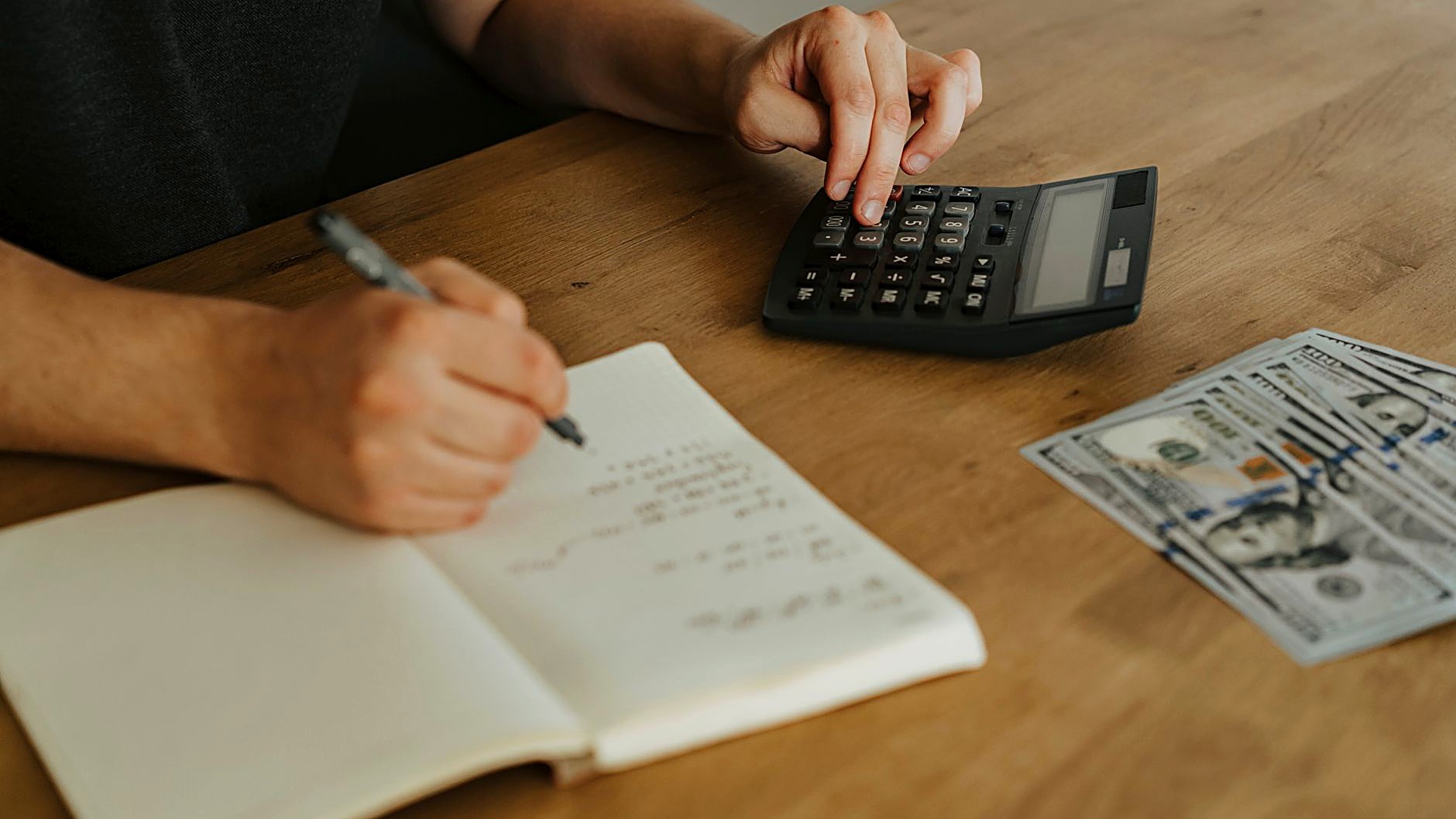 Optimizing Household Expenses for Dual-Income Families →
Most experts suggest three to six months of living expenses as the ultimate goal. When you have zero savings, that target feels overwhelming. Instead, break it into three phases:
1. Phase 1 – The Starter Fund: Aim for $500–$1,000. This amount covers minor car repairs, a small medical co‑pay, or a short‑term loss of income.
2. Phase 2 – The Buffer: Build to one month of expenses.
3. Phase 3 – The Full Cushion: Reach three to six months.
By treating each phase as a separate milestone, you keep motivation high and avoid paralysis.
Choose a Simple Savings Method
The most effective method is the “pay‑it‑forward” approach: as soon as you receive a paycheck, move a predetermined portion—say 5 %—into a dedicated emergency‑fund account before anything else touches it. This technique removes the temptation to spend first.
If your paycheck is $2,500, a 5 % allocation equals $125. Set up an automatic transfer to a high‑yield savings account that you can access without penalties. Even a modest $125 each month compounds to $1,500 after a year, and the habit builds confidence.
When a windfall arrives—tax refund, bonus, or a friend’s gift—consider directing at least half of it to the fund. A single $1,000 bonus could jump you from Phase 1 to Phase 2 in a matter of weeks.
Automate and Track Progress
Automation removes the decision‑making step that often leads to procrastination. Log in to your bank’s online portal and schedule recurring transfers on payday. If you have multiple income streams, create a rule that any deposit above a certain threshold triggers an automatic move.
Tracking is equally important. Use a visual tracker—a spreadsheet with a simple bar chart or a free habit‑tracking app—to see the balance grow. Celebrate each $100 increase with a low‑cost reward, like a movie night at home. Positive reinforcement keeps the momentum alive.
Stay Flexible and Adjust
Life isn’t static. If you experience a temporary dip in income, you can pause contributions for a month without feeling like you’ve failed. Conversely, if you land a raise or a side‑gig, increase the contribution percentage.
A flexible mindset prevents the fund from becoming a source of stress. Remember, the purpose of the fund is to reduce anxiety, not add to it.
Practical Tips for the Cash‑Strapped
- Round‑up Savings: Many banks offer a round‑up feature that adds the difference of each purchase to your savings. If you buy a coffee for $3.45, the extra $0.55 goes straight to your emergency fund.
- Cash Envelope Method: Withdraw the amount you plan to save each week in cash and keep it in a labeled envelope. Physical money can feel more tangible and less likely to be spent.
- Side‑Hustle Income: Even a few hours a month of freelance work or gig‑economy jobs can add $200–$300 to your fund. Direct the entire earnings to the emergency account.
- Tax Refund Strategy: Treat any refund as a bonus rather than a paycheck. Allocate a large chunk to your fund before thinking about discretionary spending.
The Bottom Line
Starting an emergency fund with no savings is less about the amount and more about the habit. Pick a tiny, reachable goal, automate the contribution, and let the balance grow organically. Over time, the cushion you build will protect you from financial shocks and give you peace of mind.
Disclaimer: NOT a CFP, NOT a Registered Investment Advisor. Content is informational. Consult a licensed professional for specific decisions.
Frequently asked questions
Can I use a checking account for my emergency fund?
Yes, a checking account works if it offers easy access and no fees. However, a high‑yield savings account typically provides better interest while still remaining liquid.
What if I have debt—should I focus on paying it off first?
It depends on the interest rate and your cash‑flow situation. If high‑interest credit‑card debt is draining your budget, allocate a portion to debt repayment while still building a starter fund of $500.
How much should I aim to save each month?
A common rule of thumb is 5 % of net income, but any amount— even $20— is better than nothing. Adjust the percentage as your income changes.
Is it okay to dip into the emergency fund for non‑essential purchases?
Ideally, no. The fund is meant for true emergencies. If you need to use it, treat the withdrawal as a temporary setback and replenish it as soon as possible.
Do I need a separate bank account for the fund?
A separate account helps avoid accidental spending and makes tracking easier. Many banks allow you to open a dedicated savings account with no monthly fee.
*NOT a CFP, NOT a Registered Investment Advisor. Content is informational. Consult licensed professional for specific decisions.*
Clear money tips in your inbox. No hype.
Educational content, not personalized financial advice. Sources cited where applicable.