Life Insurance Medical Exam: What to Expect Step-by-Step

Quick answer: A life insurance medical exam is a short visit to a doctor or nurse to check your health. They will take your blood and urine samples, measure your vitals, and ask about your medical history. This helps the insurer decide if you are eligible and how much you will pay.↗ Share on X
A life insurance medical exam is a simple health check-up that an insurance company requires before approving your policy. It usually takes 30 to 60 minutes and happens at a local clinic or a doctor’s office. The examiner collects basic health data, such as blood pressure, weight, and blood samples. This process helps the insurer assess your risk level. If you are healthy, you may get a lower premium. If you have certain conditions, the cost might be higher, or you might need a different type of policy. Understanding this process removes the fear and helps you prepare so you can get approved faster.
What Exactly Happens During the Exam?
 How Adjusters Check Your Annual Mileage After an Accident →
 Term Life Insurance With a Health Condition: What to Expect →
 How Insurers Price Jewelry, Art and Other Valuables Coverage →
When you arrive at the clinic, the first thing that happens is verification. The nurse or doctor will ask for your government-issued ID, such as a driver’s license or passport. This is to confirm that you are the person applying for the policy. They will also review your application form. Make sure you have your medical records handy if you have known conditions. Honesty is critical here. If you hide a condition, the insurer can deny your claim later. This is called misrepresentation, and it voids the policy.
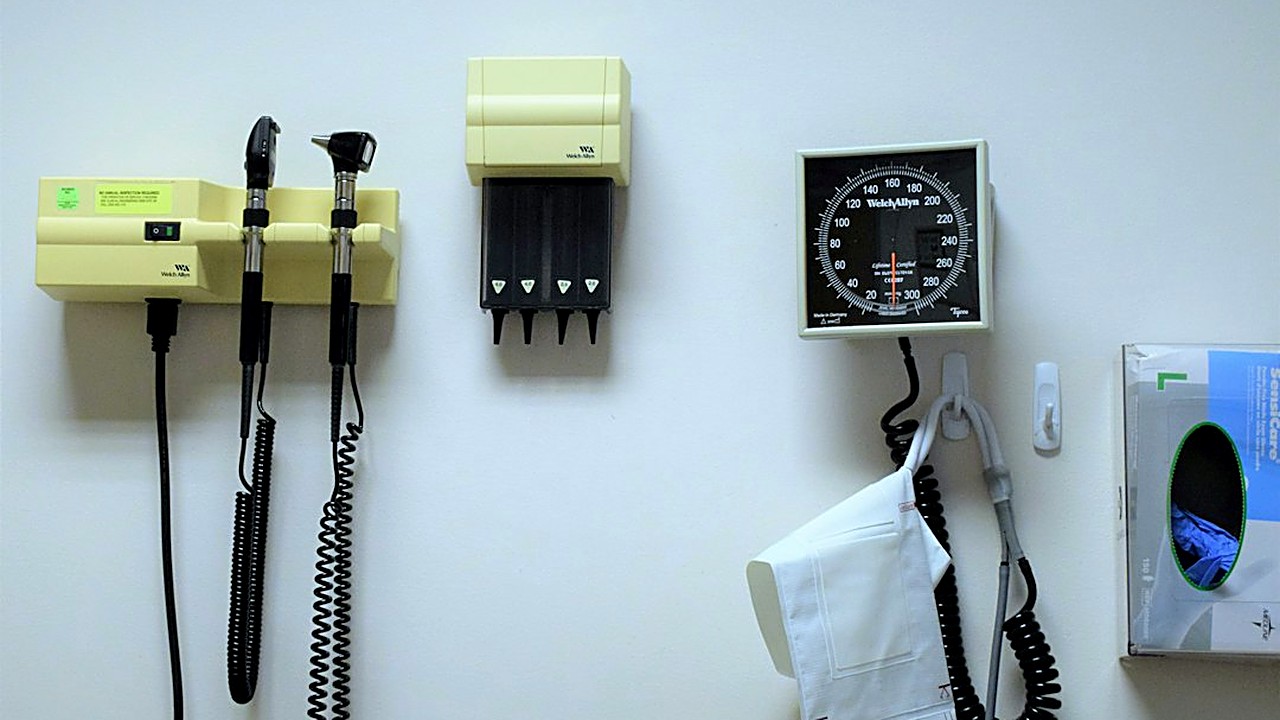
The physical exam starts with basic measurements. The examiner will check your height, weight, blood pressure, and pulse. They may also look at your eyes, ears, and throat. This part is quick and painless. Next, they will draw blood and ask you to provide a urine sample. The blood test checks for cholesterol, blood sugar, liver function, and kidney function. The urine test looks for sugar, protein, and other markers of health. These tests do not hurt more than a standard blood draw. You will feel a small pinch, and it is over in seconds. The whole physical portion takes about 15 minutes.
After the physical tests, the examiner will ask you questions. They will verify the information you put on your application. They will ask about your family history, such as whether your parents or siblings had heart disease or cancer. They will also ask about your lifestyle, including smoking, alcohol use, and exercise habits. If you smoke, they may ask for proof, such as a cotinine test in the urine. This test detects nicotine. If you are a non-smoker, this test confirms your status and helps you get a lower rate. Be prepared to answer these questions truthfully and clearly.
Clear money tips in your inbox. No hype.
How Long Does the Process Take?
Affiliate link. We may earn a commission on purchases, at no extra cost to you.
This content is informational and is not investment advice or financial consulting.
The appointment itself is short, usually 30 to 60 minutes. However, the time it takes to get results varies. The lab that processes your blood and urine samples needs time to analyze them. This usually takes 3 to 5 business days. The insurance company then reviews the results along with your application. They check your health against their internal guidelines. This review process can take another 1 to 2 weeks. So, from the day of the exam to the final decision, you should expect to wait about 2 to 3 weeks. Some companies offer accelerated underwriting, which can be faster, but the standard process takes this long. You will receive a notification by mail or email when a decision is made. If they need more information, they will ask for it. Keep your contact information up to date so you do not miss any messages.
How Do Results Affect Your Premium?
 Auto Insurance Declarations Page: 7 Sections to Check Now →
 Not at Fault in a Crash? Who Pays Your Car Deductible →
 How Life Insurers Use Your BMI to Set Your Rate Class →
Your health results directly impact how much you pay for life insurance. Insurers use a system called risk classes. These classes range from Preferred Plus to Standard to Substandard. Preferred Plus is the best class and has the lowest cost. It is for people who are very healthy, do not smoke, and have a good family history. Standard is the average class. Most healthy people fall into this category. Substandard is for people with certain health issues, such as high blood pressure or diabetes. These people pay more because they are considered higher risk. If your results are excellent, you might get a discount. If your results show issues, the insurer might still approve you but at a higher price. In some cases, if a condition is too severe, they might decline the application. This is why it is important to be healthy before applying. You can improve your health metrics by eating well, exercising, and managing any existing conditions. Even small improvements can move you to a better risk class.
| Risk Class | Health Profile | Premium Cost |
|---|---|---|
| Preferred Plus | Excellent health, no smoking, good family history | Lowest |
| Preferred | Very good health, minor issues | Low |
| Standard | Average health, some manageable conditions | Average |
| Substandard | Significant health issues | High |
Can You Skip the Medical Exam?
You can skip the medical exam if you apply for a no-exam life insurance policy. These policies are designed for people who want quick coverage without a physical visit. However, no-exam policies are more expensive. They also have lower coverage limits. For example, you might only be able to buy up to $500,000 in coverage without an exam. If you want more coverage, you will likely need to take the exam. No-exam policies also have stricter rules. They may ask you detailed questions about your health and deny you if you have certain conditions. They do not check your medical records as thoroughly. This makes them riskier for the insurer, which is why they cost more. If you are healthy and want the best rate, the exam is worth it. If you have a serious condition, you might prefer a no-exam policy to avoid being denied. Talk to an agent to see which option fits your needs. Do not assume one is better for everyone. It depends on your health and budget.
What Should You Do Before the Exam?
Preparation can help you feel more relaxed and ensure accurate results. First, drink plenty of water the day before and the day of the exam. This makes it easier to draw blood. Do not drink alcohol for at least 24 hours before the test. Alcohol can affect your liver enzymes and blood sugar levels. This might make your results look worse than they are. You do not need to fast unless the examiner tells you to. Most life insurance exams do not require fasting. You can eat a normal meal before the visit. However, avoid heavy meals right before the exam. This can make you feel sick during the blood draw. Wear comfortable clothes. You will need to roll up your sleeves for the blood draw. Have your medical records ready. If you have a condition, bring a list of your doctors and medications. This shows the examiner that you are managing your health well. It can help you get a better risk class. Do not try to cheat the test. For example, do not take extra vitamins to lower your cholesterol. The lab can detect this. Be honest and prepared. This is the best way to get a fair assessment.
What If You Have a Pre-Existing Condition?
Having a pre-existing condition does not mean you cannot get life insurance. Many people with conditions like asthma, high blood pressure, or type 2 diabetes get approved. The key is how well you manage the condition. If you are on medication and your levels are stable, you are a lower risk. If your condition is uncontrolled, you are a higher risk. The insurer will look at your recent test results. They will see if your condition is managed. For example, if you have high blood pressure, they will look at your recent readings. If they are normal, you may get a standard rate. If they are high, you may get a substandard rate. You can work with your doctor to get your condition under control before applying. This can save you money. Do not hide your condition. If you do, the insurer can find out later through medical records. This can lead to a denial of benefits. Always be truthful. There is always a path to coverage, even with health issues. The right policy and agent can help you find it.
How to Choose the Right Policy Type
The type of life insurance you choose affects whether you need an exam. Term life insurance is the most common type. It covers you for a set period, such as 10, 20, or 30 years. Most term life policies require a medical exam if the coverage amount is over $250,000. If you want less coverage, you might not need an exam. Whole life insurance is permanent coverage. It builds cash value over time. Whole life policies almost always require a medical exam. This is because they are long-term investments. The insurer wants to make sure you will live long enough for the policy to be profitable. Universal life insurance is another permanent option. It also usually requires an exam. If you are unsure which type is right for you, talk to an independent agent. They can compare options from different companies. They can also help you understand the costs and benefits. Do not just pick the cheapest policy. Look at the company’s financial strength. A strong company is more likely to pay your claim years from now. Check ratings from agencies like A.M. Best or Standard & Poor’s. This ensures your money is safe.
Common Mistakes to Avoid
Many people make mistakes that delay their approval or increase their cost. The first mistake is not reading the application carefully. If you make a typo, it can cause delays. Double-check every answer. The second mistake is not disclosing all health issues. This is the most serious error. It can void your policy. Always be honest. The third mistake is not preparing for the exam. Being stressed or dehydrated can make the process harder. Prepare as described above. The fourth mistake is not comparing quotes. Different companies have different risk classes. One company might give you a preferred rate, while another gives you a standard rate. Shop around. Get quotes from at least three companies. This ensures you get the best deal. The fifth mistake is not understanding the deductible. While life insurance does not have a deductible in the same way auto insurance does, you should understand the costs. The premium is your monthly cost. There are no out-of-pocket costs when you file a claim. The beneficiary gets the full amount. Make sure you can afford the premium. If not, choose a lower coverage amount or a different type of policy. Do not let the cost stop you from getting coverage. It is better to have some coverage than none.
What to Do After the Exam
Once you leave the clinic, your job is mostly done. Wait for the results. Do not call the insurance company every day. It will not speed up the process. Use this time to review your other financial plans. Make sure your beneficiary designations are correct. If your family situation changes, update your policy. If you are approved, read the policy document carefully. Make sure all the details are correct. If you see an error, contact your agent immediately. If you are denied, ask for the reason. You may be able to appeal or try a different company. Do not give up. There are many companies with different guidelines. One company might deny you, while another approves you. Keep trying until you find a fit. Life insurance is a tool to protect your family. It is worth the effort to get it right. If you have questions, ask your agent. They are there to help you. Do not let confusion stop you from securing your family’s future. Take the next step today. Schedule your exam or get a quote. Your family will thank you for it.
Final Thoughts on Getting Approved
Getting a life insurance medical exam is a straightforward step in securing your family’s financial future. It is not a test you pass or fail. It is an assessment of your current health. The results help the insurer set a fair price for your policy. By preparing well, being honest, and understanding the process, you can navigate it with confidence. Do not let fear of the medical exam stop you from getting coverage. The cost of being uninsured is much higher than the cost of a medical exam. If you have a serious health condition, consult with a doctor and an insurance agent. They can guide you to the right policy. Remember, life insurance is not just about death. It is about planning for the future. It provides peace of mind for you and your loved ones. Take action now. Schedule your appointment or request a quote. The sooner you start, the sooner you can relax knowing your family is protected. Your health is your asset. Manage it well, and you will likely get the best rates available. Do not wait until it is too late. Start the process today.
FAQ
Does a life insurance medical exam hurt?
No, it does not hurt significantly. You will feel a small pinch when they draw your blood. The rest of the exam involves simple checks like measuring your blood pressure. It is similar to a routine check-up at a doctor's office.
How long do I have to wait for results?
You should expect to wait about 2 to 3 weeks for a final decision. The lab takes 3 to 5 days to process your samples. The insurance company then reviews the results, which takes another week or two.
Can I get life insurance without a medical exam?
Yes, you can get no-exam life insurance. However, these policies are more expensive and have lower coverage limits. They are best for people who want quick coverage or have health issues they want to avoid disclosing in a full exam.
Clear money tips in your inbox. No hype.
Educational content, not personalized financial advice. Sources cited where applicable.