Pay Off Credit Cards and Still Grow Your Emergency Fund


Quick answer: Build a small starter emergency fund first, then send most of your extra money to your highest-interest debt while a small automatic deposit keeps going into a high-yield savings account. If you use the fund, refill it before returning to the split.↗ Share on X
You can keep your emergency fund growing while you pay off high-interest debt by splitting the job into stages: first build a small "starter" cushion, then send most of your extra money to the debt with the highest interest rate, and keep a small automatic deposit going into savings every payday. Park the savings in a high-yield savings account so it earns interest while it waits. The goal is not to pick savings *or* debt — it is to stop the cycle where one surprise bill sends you right back to the credit card.
Here is how to set it up, with real numbers you can copy.
Why not just throw every dollar at the debt?
 Save $500 a Month Without a Budget App: The Autopilot Plan →
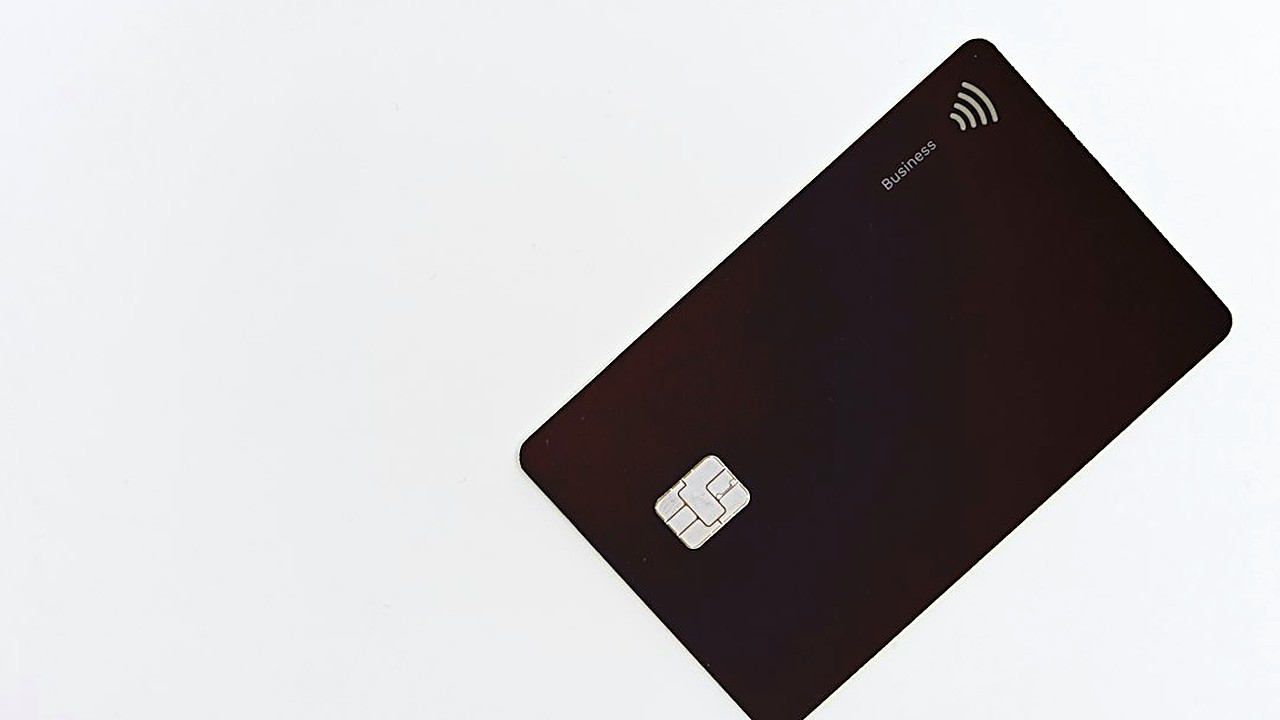 Use Credit Card Rewards to Cut Your Monthly Bills Down →
 Rebuild Credit After Bankruptcy or Foreclosure: 5 Steps →
On paper, paying off a card that charges 25% interest beats almost any savings account. So it is tempting to put every spare dollar toward the balance and keep nothing in the bank.
The problem is life. A car repair, a vet bill, or a short paycheck shows up, and with zero savings the only option is the card you just paid down. You end up back where you started, often feeling worse.
A small cash cushion breaks that loop. It costs you a little in interest math, but it protects all the progress you make on the debt.
Clear money tips in your inbox. No hype.
Why not save first and pay the debt later?
Affiliate link. We may earn a commission on purchases, at no extra cost to you.
This content is informational and is not investment advice or financial consulting.
The opposite mistake is also common. Some people try to save three to six months of expenses before attacking the debt. Meanwhile, a high-interest balance keeps growing every month.
Here is a simple comparison. Say you have $2,000 sitting in savings and $2,000 on a credit card:
| Where the $2,000 sits | Example rate | Roughly what happens in one year |
|---|---|---|
| High-yield savings account | 4% per year | Earns about $80 |
| Credit card balance | 25% per year | Costs about $500 in interest if left unpaid |
The rates above are examples only. Check your own card statement and your bank's current savings rate — both change over time. But the gap is usually large, which is why the debt should get most of your extra money after the starter fund is in place.
Step 1: How big should your starter emergency fund be?
 Splitting a Joint Bank Account in Divorce: Avoid Fee Traps →
 Cut AC Costs by 20%: 7 Simple Hacks for Lower Bills →
 Used Your Emergency Fund? How to Fix Your Budget Afterward →
Pick one of these targets, based on your situation:
1. Your highest common surprise expense. Look back at the last year. What was the biggest unexpected bill? A $700 car repair? Make that your target.
2. One month of bare-bones costs. Rent, utilities, groceries, minimum debt payments, transportation. Nothing else.
3. A flat number you can reach in 2–3 months. Many people use $1,000 as a starting point. If your income is irregular or you have kids, aim higher.
Choose the one that feels realistic. A starter fund you actually finish is better than a perfect target you abandon.
Where to keep it: a high-yield savings account at an FDIC-insured bank (or NCUA-insured credit union). Deposits are insured up to $250,000 per depositor, per bank, per ownership category. Keep this account separate from your checking so you are not tempted to spend it on everyday things.
Step 2: Which debt should you attack first?
List every debt with three numbers: balance, interest rate (APR), and minimum payment. Then pick a method.
| Method | How it works | Best for |
|---|---|---|
| Avalanche | Pay minimums on everything, put all extra money on the highest APR | Saving the most money in interest |
| Snowball | Pay minimums on everything, put all extra money on the smallest balance | People who need quick wins to stay motivated |
Both work. Avalanche is cheaper. Snowball can feel better because you close accounts sooner. The worst choice is spreading extra money evenly across all debts, because nothing ever gets paid off.
Always pay at least the minimum on every debt. Missed payments bring late fees and can hurt your credit score.
Step 3: How do you split each paycheck between savings and debt?
Once the starter fund is full, use a split rule. Here is one that is easy to follow:
- 80–90% of your extra money goes to the target debt.
- 10–20% of your extra money goes to the emergency fund.
"Extra money" means what is left after bills, groceries, and minimum payments.
Example: After all bills, Maria has $400 left each month.
- $340 goes to her credit card with the highest APR.
- $60 goes to her high-yield savings account.
Over 12 months, that is $4,080 toward debt and $720 in new savings — plus whatever interest the savings earn. Her emergency fund keeps growing slowly, and the debt shrinks fast.
If your emergency fund gets used, pause the split. Send 100% of extra money back to savings until the starter fund is full again. Then go back to the split.
Step 4: How do you make it automatic?
Willpower runs out. Automation does not. Set this up once:
1. Payday transfer to savings. Schedule an automatic transfer for the day your paycheck lands — even $25 counts.
2. Autopay the minimums on every debt so nothing is ever late.
3. One extra payment per month to your target debt, scheduled right after payday.
4. Round-ups or "leftover sweeps." Some banks let you move the leftover balance from checking to savings at the end of the month. Use it if your bank offers it.
Check the setup once a month. It should take less than 10 minutes.
How do you find more money for both goals?
You do not need a big raise. Small, steady changes add up.
- Call your card company and ask for a lower APR. Mention your on-time payment history. It does not always work, but it costs nothing to ask.
- Look at a balance transfer card. Some offer a low or 0% intro rate for a set number of months. Read the fine print: there is often a transfer fee (commonly a few percent of the balance), and the rate jumps when the promo ends. Only do this if you can pay off the balance before the promo period runs out.
- Cancel subscriptions you forgot about. Scroll your last two bank statements.
- Send windfalls to work. Tax refunds, bonuses, and gift money: split them with the same 80/20 rule, or put all of it toward debt if your starter fund is full.
- Sell one thing a month you no longer use.
What counts as a real emergency?
Your fund only grows if you protect it. Before you spend from it, ask three questions:
1. Is it unexpected?
2. Is it necessary?
3. Is it urgent?
A broken water heater: yes to all three. A concert ticket on sale: no. Holiday gifts: not unexpected, so plan for them with a separate savings goal instead.
What mistakes slow people down?
- Keeping savings in checking. It disappears into daily spending.
- Investing your emergency fund in stocks. The market can drop right when you need the cash. Emergency money should be safe and easy to reach.
- Closing paid-off cards right away. This can lower your available credit and affect your score. Many people keep the oldest card open and unused instead. Think about your own situation.
- Taking on new debt while paying off old debt. Freeze or put away the cards you are paying down.
- Stopping the savings deposits completely. Even a small amount keeps the habit alive.
When should you get professional help?
If your minimum payments take up more than you can cover, if you are using one card to pay another, or if collectors are calling, talk to a professional before things get worse. A nonprofit credit counseling agency can review your budget and may offer a debt management plan. Look for agencies affiliated with the National Foundation for Credit Counseling (NFCC), and be careful with companies that charge large upfront fees or promise to erase your debt. For tax or legal questions, speak with a qualified tax professional or attorney.
This article is general education, not personal financial advice. Your best plan depends on your income, debts, and goals.
Your next step today
Open your banking app and do two things in the next 15 minutes. First, open a separate high-yield savings account (or rename an existing one "Emergency Only") and schedule an automatic transfer of any amount on your next payday. Second, write down every debt with its balance, APR, and minimum payment, and circle the one you will attack first. That list is your plan — everything else in this article is just following it.
FAQ
Should I pay off debt or build an emergency fund first?
Do both in stages: build a small starter fund, then put most extra money toward high-interest debt while a smaller amount keeps flowing into savings.
How much should a starter emergency fund be?
Use your biggest recent surprise expense, one month of bare-bones costs, or a flat amount you can reach in two to three months. Many people start with $1,000.
Where should I keep my emergency fund?
In a separate high-yield savings account at an FDIC-insured bank or NCUA-insured credit union, not in checking and not in stocks.
Clear money tips in your inbox. No hype.
Educational content, not personalized financial advice. Sources cited where applicable.