Split Your Emergency Fund Across 3 Accounts the Safe Way

Quick answer: Keep about one month of expenses in checking or a linked savings account at your main bank for same-day access, the bulk in a high-yield savings account at an FDIC-insured online bank, and any extra in a no-penalty CD or money market account. Stay under $250,000 per depositor, per bank, per ownership category so every dollar is insured.↗ Share on X
The safest way to store an emergency fund in multiple accounts is a three-bucket setup: one month of expenses in checking or a linked savings account at your everyday bank, most of the fund in a high-yield savings account at an FDIC-insured online bank, and anything beyond six months of expenses in a no-penalty CD or money market account. Every bucket stays in cash, every bank is federally insured, and you can reach the first bucket today and the rest within one to three business days.
That is the whole answer. The rest of this article explains why the split works, exactly how much goes where, and the mistakes that quietly put emergency money at risk.
Why split the fund at all?
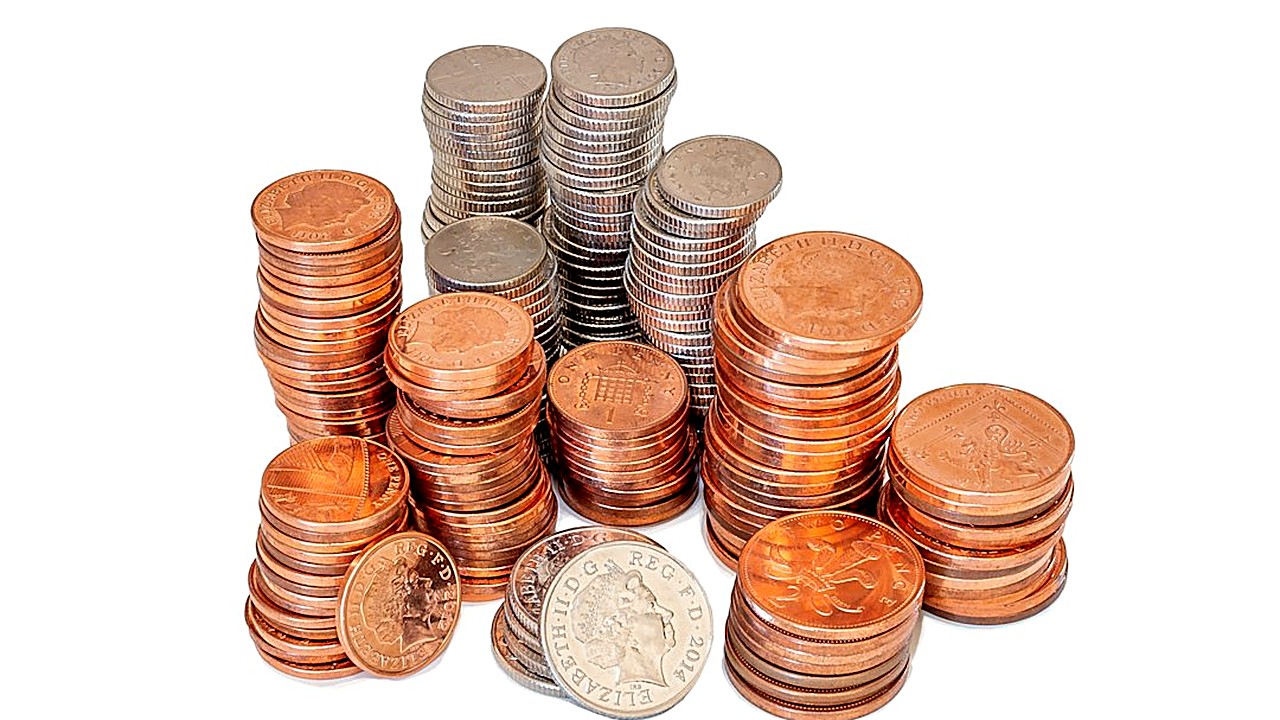 Save Money on Groceries Without Meal Planning: 12 Moves →
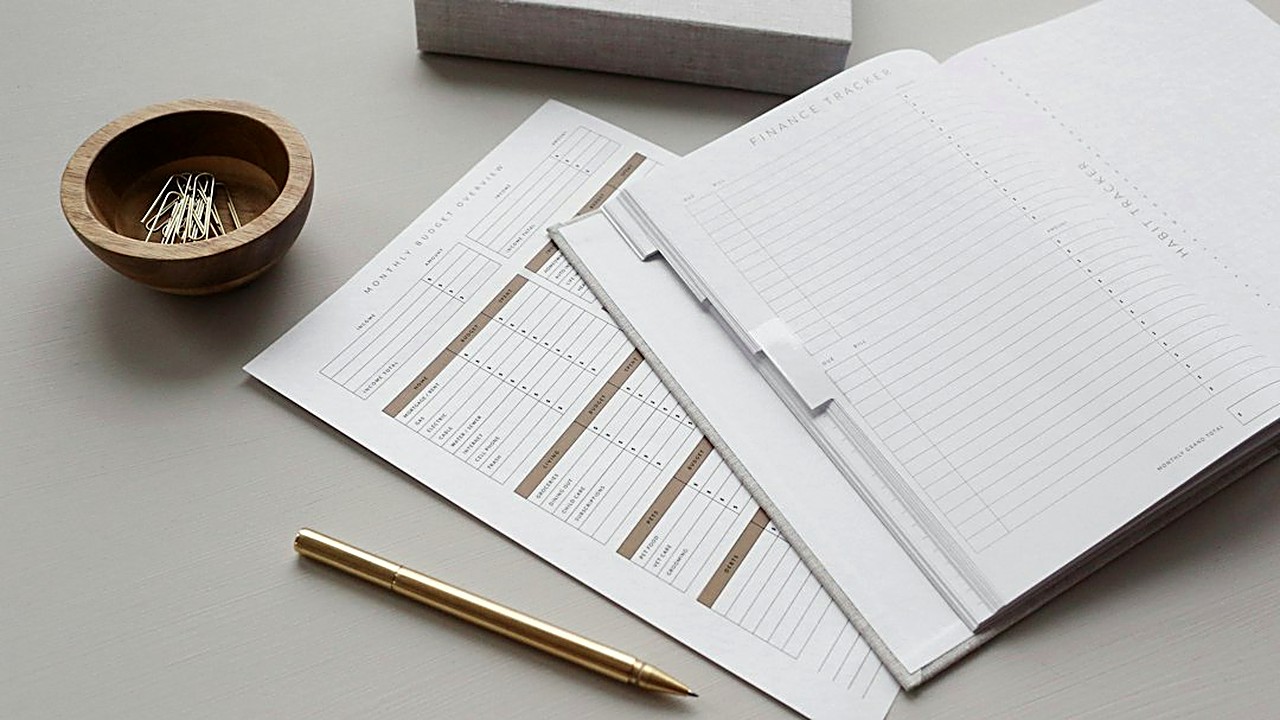 How to Separate Business and Personal Expenses in One Account →
 Is Inflation Eating Your Emergency Fund? 3 Steps to Fix It →
One account feels simpler. But one account forces you to choose between three things you actually want at the same time:
- Speed. When the car dies on a Tuesday, you need money today, not Friday.
- Yield. Money sitting in a regular checking account earns close to nothing. A high-yield savings account at an online bank typically pays many times more.
- Friction. If the fund sits next to your debit card, it gets spent on things that are not emergencies. A little distance protects it.
Splitting gives you all three. The small bucket is fast. The big bucket earns. The distance between them keeps you honest.
Clear money tips in your inbox. No hype.
The three buckets, with real numbers
Affiliate link. We may earn a commission on purchases, at no extra cost to you.
This content is informational and is not investment advice or financial consulting.
Start with your monthly essential expenses: rent or mortgage, utilities, groceries, insurance, minimum debt payments, transportation. Not streaming, not eating out. Say that number is $3,000. A full emergency fund of three to six months is then $9,000 to $18,000.
| Bucket | Where it lives | How much | How fast you can use it |
|---|---|---|---|
| 1. Instant | Checking or linked savings at your main bank | 1 month ($3,000) | Same day, debit card or transfer |
| 2. Core | High-yield savings account at an FDIC-insured online bank | 3 to 5 months ($9,000 to $15,000) | 1 to 3 business days by transfer |
| 3. Overflow | No-penalty CD or money market account | Anything above 6 months | 1 to 5 business days |
If you are still building the fund, fill the buckets in order. Bucket 1 first, until it holds one month. Then bucket 2. Bucket 3 only exists once you have more than six months saved and want a slightly better rate on the extra.
Bucket 1: the instant month
 Find Hidden Recurring Fees on Your Bank Statement Fast →
 Find Forgotten Subscriptions on Your Bank Statement →
 Find Forgotten Subscriptions on Your Bank Statements Fast →
This is the money for a flat tire, a vet bill, a broken water heater. It sits at the bank where your paycheck lands, so a transfer to checking is instant or you can simply pay from it.
Two rules keep this bucket useful:
1. Keep it in a separate savings account at that bank, not mixed into checking. Most banks let you open a second account online in minutes. Name it "Emergency" so it is obvious.
2. When you use it, refill it first, before adding to any other bucket.
Do not let this bucket grow past one month. Anything more is losing interest it could be earning in bucket 2.
Bucket 2: the core at an online bank
This is where most of the fund lives. Online banks tend to pay higher savings rates because they do not run branches. The trade-off is that moving money to your main bank by electronic transfer (called an ACH transfer) usually takes one to three business days. That delay is fine for a job loss or a medical bill that arrives in the mail. It is not fine for a tow truck, which is why bucket 1 exists.
What to check before opening the account:
- The bank is FDIC insured. Look for the FDIC logo and confirm the bank's name on the FDIC's BankFind tool. For a credit union, look for NCUA insurance instead. Both cover up to $250,000 per depositor, per institution, per ownership category.
- There is no monthly fee and no minimum balance that triggers one.
- The rate is a plain savings rate, not a short promotional rate that drops after a few months.
- You can link your main bank account for free transfers.
A one-month delay in setting this up costs you a little interest. A fee you did not notice costs you every month forever. Read the fee page.
Bucket 3: the overflow
Only relevant once you hold more than six months of expenses. Two safe options:
- No-penalty CD. A certificate of deposit that lets you withdraw the full balance early without a fee. Often pays a bit more than savings. The catch: most require you to withdraw everything at once, not part of it.
- Money market account. A bank account, insured the same way as savings, sometimes with check-writing. Not to be confused with a money market *fund* from a brokerage, which is an investment and not FDIC insured.
If the rate difference between your savings account and these options is tiny, skip bucket 3 and keep everything in bucket 2. Simplicity has value.
How to stay fully insured
Federal deposit insurance covers $250,000 per depositor, per insured bank, per ownership category. For most people an emergency fund is far below that, so one bank per bucket is plenty. Where people get caught:
- Fintech apps that are not banks. Many budgeting and cash apps hold your money at partner banks through a middleman. If the middleman fails, getting your money back can take months even if the bank is fine. In 2024 thousands of customers of several apps lived through exactly that. Use a bank or credit union directly for emergency money.
- Brokerage cash. Cash sitting in an investment account may be in a money market fund or a sweep program. Some sweep programs are insured, some are not. Emergency money does not belong there.
- Joint and individual accounts at the same bank are different ownership categories and each gets its own $250,000 limit. Useful if your household is above the limit.
Setting it up in five steps
1. Calculate one month of essential expenses. Write the number down.
2. Open a separate savings account at your current bank and move one month into it. That is bucket 1, done.
3. Open a high-yield savings account at an FDIC-insured online bank. Link your checking account during sign-up.
4. Set an automatic transfer from checking to the online account on payday. Even $50 counts. Automation is what actually builds the fund.
5. Write down where the money is and give the list to your spouse, partner or a trusted person. An emergency fund nobody else can find is useless if the emergency is you.
Total time for all five steps: about one hour, most of it waiting for small test deposits to confirm the link.
Mistakes that look safe but are not
- Keeping the fund in stocks or crypto. They can drop 30 percent the same week you lose your job. Emergency money must not move.
- Chasing the highest rate every month. Switching banks for a tenth of a percent wastes hours and breaks your automatic transfers.
- Using the fund for "emergencies" like concert tickets. If you keep doing this, move bucket 2 to a bank with no debit card. Friction is a feature.
- Never refilling. After you use the fund, restart the automatic transfer that day. The second emergency does not wait for the first to be paid off.
- Forgetting the fund exists. Check the balances once a quarter. Banks do change rates and fees.
What to do after you use it
Say you drain bucket 1 and half of bucket 2 for a surgery deductible. The order to rebuild is the same as the order to build:
1. Refill bucket 1 to one month, using your next paychecks.
2. Pause any extra investing or extra debt payments until bucket 2 is back to at least three months.
3. Resume everything else.
If you have high-interest credit card debt and no fund at all, build bucket 1 to one month first, then attack the debt, then come back for bucket 2. A small cash cushion is what keeps the next surprise from going back on the card.
When to get professional help
If you are juggling debt collectors, self-employment income that swings month to month, or a household above the insurance limits, a fee-only financial planner can map this out in a single session. Fee-only means they charge you directly and do not earn commissions on products. Ask that question before booking. Nothing in this article replaces advice tailored to your situation.
Your next step this week
Open the second savings account at your current bank today and move one month of expenses into it. That is bucket 1, and it takes ten minutes. This weekend, compare two or three FDIC-insured online banks, open one, and schedule the payday transfer. Once that transfer runs twice without you touching it, the system is working.
FAQ
How many accounts should an emergency fund be split into?
Two is enough for most people: a small instant bucket at your main bank and a high-yield savings account at an online bank. Add a third only if you hold more than six months of expenses.
Is an online high-yield savings account safe for an emergency fund?
Yes, as long as the bank itself is FDIC insured (or NCUA insured for a credit union) and you stay under $250,000 per depositor. Confirm the bank's name on the FDIC BankFind tool before opening the account.
Should part of my emergency fund be in a CD?
Only a no-penalty CD, and only for money above six months of expenses. A regular CD charges a fee for early withdrawal, which defeats the purpose of emergency money.
Clear money tips in your inbox. No hype.
Educational content, not personalized financial advice. Sources cited where applicable.