3-Month Emergency Fund on a Tight Budget: A Realistic Plan


Quick answer: Add up only the bills you would still have to pay if your income stopped (rent, utilities, basic groceries, transportation, minimum debt payments) and multiply by three. Divide that goal by 52 to 104 weeks, open a separate savings account at a different bank, and automate the transfer for the day after payday. Extra money from selling unused items, lowering fixed bills, and redirecting tax refunds shortens the timeline.↗ Share on X
You build a 3-month emergency fund on a tight budget by first figuring out your real monthly survival number (rent, food, utilities, transportation, minimum debt payments, nothing else), multiplying it by three, and then splitting that total into a weekly target you move into a separate savings account on payday, before you spend on anything else. For most people the survival number is 30 to 40 percent lower than their total monthly spending, which makes the goal far more reachable than it first looks.
This article gives you the exact math, a 12-month schedule you can adjust, the cheapest ways to find the money, and the mistakes that cause people to quit in month two.
What does "3 months of expenses" actually mean?
 Split Your Emergency Fund Across 3 Accounts the Safe Way →
 Rent Just Went Up? How to Keep Saving Without Going Broke →
 Savings Rate With Several Incomes: A Simple Way to Do It →
It does not mean three months of your current lifestyle. It means three months of the bills you would still have to pay if your income stopped tomorrow. Everything optional comes off the list.
Here is how to find your number. Pull up your last two bank statements and sort every expense into one of two columns.
| Must pay (counts toward the fund) | Can pause (does not count) |
|---|---|
| Rent or mortgage | Streaming subscriptions |
| Electricity, water, gas, internet | Restaurants and takeout |
| Groceries (basic, home-cooked) | Gym membership |
| Car payment, insurance, fuel, or transit pass | New clothes |
| Minimum payments on credit cards and loans | Hobbies and entertainment |
| Phone bill | Vacations and travel |
| Health insurance premium and regular prescriptions | Gifts |
| Childcare you cannot drop | Upgrades of any kind |
Add up the left column. That is your monthly survival number. Multiply it by three. That is your goal.
Example: if your must-pay column comes to 1,900 dollars a month, your 3-month fund is 5,700 dollars. If your total spending is usually 2,800 a month, you just cut the goal from 8,400 to 5,700 by being honest about what is essential.
Clear money tips in your inbox. No hype.
How much do you need to save each week?
Affiliate link. We may earn a commission on purchases, at no extra cost to you.
This content is informational and is not investment advice or financial consulting.
Divide your goal by the number of weeks you are giving yourself. A tight budget usually means 12 to 18 months is realistic. Shorter than that and most people give up.
| Goal | 12 months (52 weeks) | 18 months (78 weeks) | 24 months (104 weeks) |
|---|---|---|---|
| 3,000 dollars | 58 a week | 38 a week | 29 a week |
| 4,500 dollars | 87 a week | 58 a week | 43 a week |
| 5,700 dollars | 110 a week | 73 a week | 55 a week |
| 7,500 dollars | 144 a week | 96 a week | 72 a week |
If the weekly number in the 12-month column makes your stomach drop, pick the 18 or 24-month column instead. A fund that takes two years to build is still a fund. A plan that fails in six weeks is not.
Step-by-step: the first 30 days
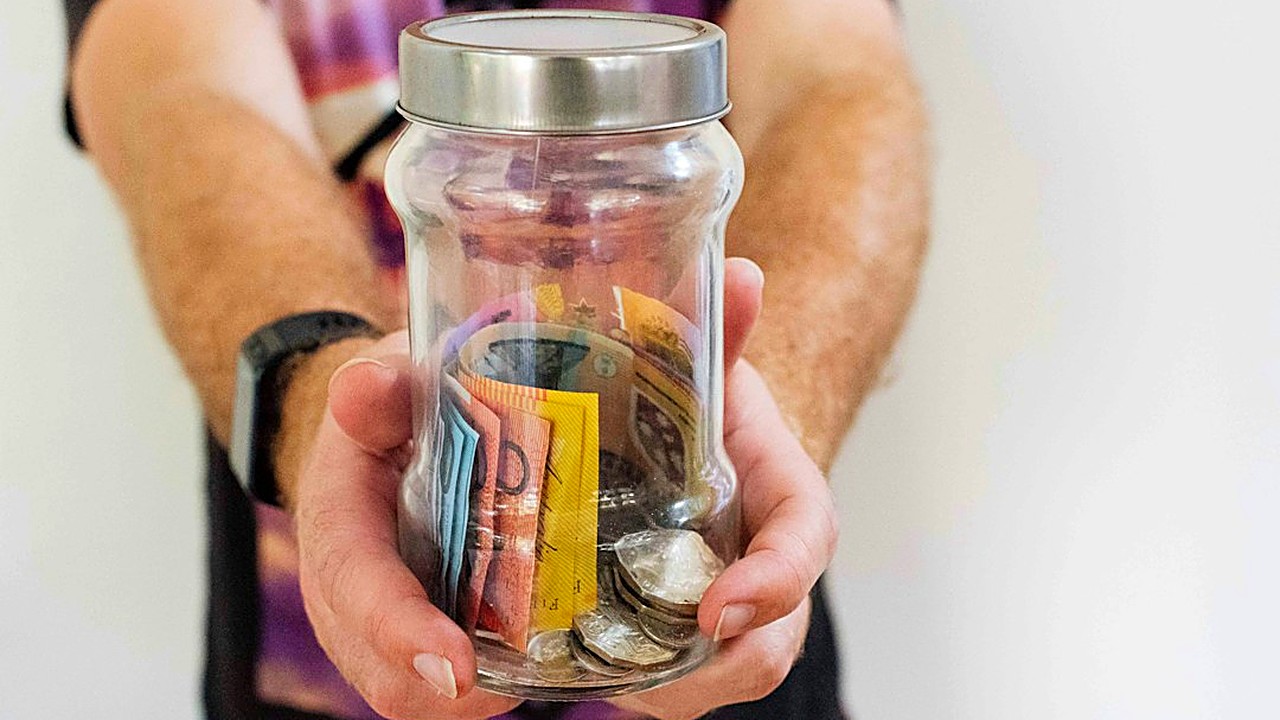 Car Repair Sinking Fund: How Much to Save Each Month →
 Save Money on Groceries Without Meal Planning: 12 Moves →
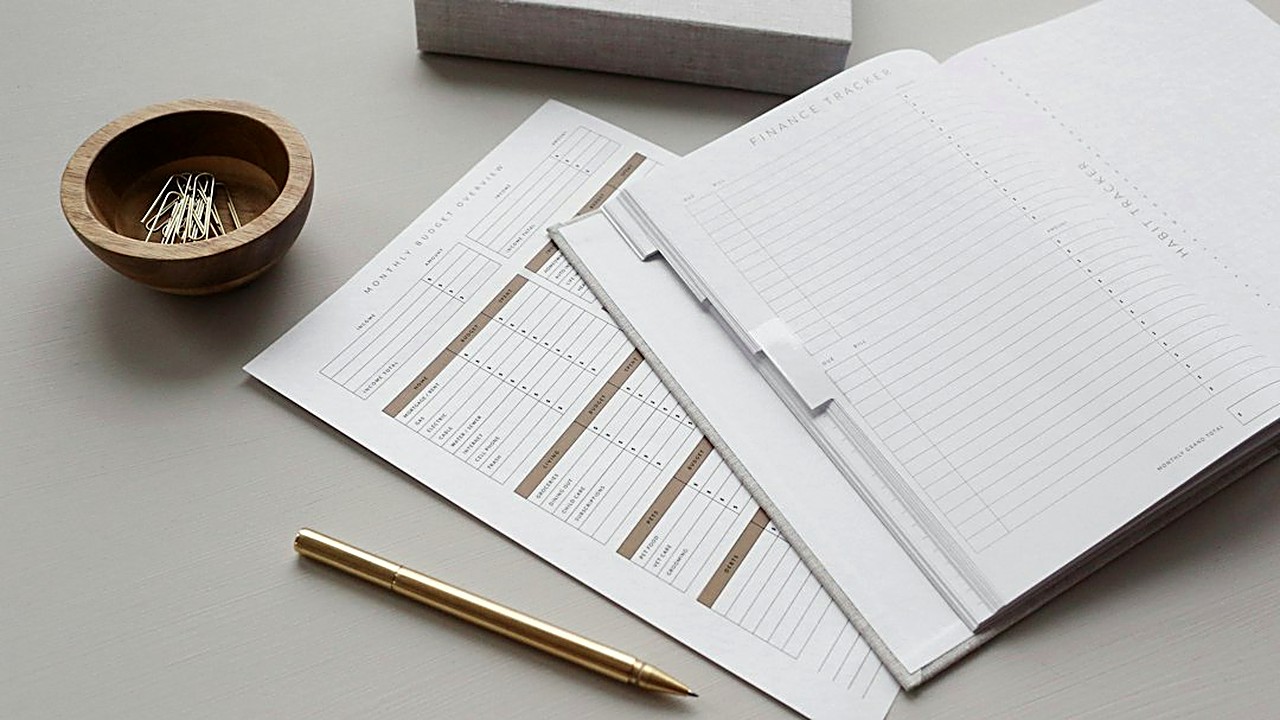 How to Separate Business and Personal Expenses in One Account →
Follow these steps in order. Each one takes less than an hour.
1. Open a separate savings account at a different bank from your checking. The point is friction. If the money sits next to your checking balance, you will spend it. Pick an account with no monthly fee and no minimum balance. Many online banks pay more interest than branch banks on savings, so compare two or three before choosing.
2. Set up an automatic transfer for the day after payday. Not the day before, because a delayed deposit can trigger an overdraft. Start with your weekly target from the table above, or half of it if you are nervous. You can raise it later.
3. Name the account "Do not touch" or "Job loss fund." It sounds silly. It works. Seeing a plain word reminds you what the money is for when you are tempted.
4. Write the goal and the finish date somewhere you see every day. The fridge, the bathroom mirror, your phone lock screen.
5. Cancel one recurring charge this week. Just one. Move the amount you were paying into the transfer.
Where does the money come from on a tight budget?
Most people on a tight budget cannot save by "spending less on coffee." The money has to come from a few bigger moves. Here are the ones that free up the most, roughly in order of impact.
Lower a fixed bill. Call your internet, phone, and car insurance providers and ask for the current promotional rate or a cheaper plan. This is a 20-minute phone call each. Switching car insurance alone frees up a meaningful amount for many households.
Sell what you are not using. Walk through your home with a box. Anything you have not touched in a year goes in it: old phones, a bike, tools, a game console, furniture, textbooks. List it on a local marketplace this weekend. Every dollar from this goes straight into the fund, not into checking.
Add a few hours of income. Even four extra hours a week at a modest hourly rate adds up to hundreds of dollars a month. Food delivery, weekend shifts, tutoring, cleaning, dog walking, or overtime at your current job. Treat all of it as fund money.
Redirect windfalls. A tax refund, a bonus, a birthday gift, a rebate. Before it hits your mental "spending money" category, move it to savings. One refund can cover two or three months of your plan.
Pause, do not cancel, long-term goals. If you are putting money toward a vacation or a big purchase, pause that contribution for a few months and send it to the emergency fund instead. You can restart it when the fund is built.
What if you have credit card debt too?
This is the most common question, and the honest answer is: build a small starter cushion first, then attack the debt, then finish the full fund.
A practical order that many people use:
1. Save a first cushion of 500 to 1,000 dollars. This stops small emergencies from going on the card.
2. Keep making minimum payments on every card, and put every extra dollar toward the card with the highest interest rate until it is gone.
3. Once the high-interest cards are paid off, go back to building the full 3-month fund.
If your debt is large, you are missing payments, or you are being contacted by collectors, speak with a nonprofit credit counselor before choosing a plan. They can review your full situation, which an article cannot do. Be cautious with any company that charges large upfront fees or promises to erase debt quickly.
A 12-month schedule you can adapt
This example uses a 5,700-dollar goal and a 110-dollar weekly transfer. Adjust the numbers to your own goal.
| Month | Weekly transfer | Extra from side moves | Balance at end of month |
|---|---|---|---|
| 1 | 110 | 200 (sold items) | 640 |
| 2 | 110 | 0 | 1,080 |
| 3 | 110 | 150 (lower insurance) | 1,670 |
| 4 | 110 | 0 | 2,110 |
| 5 | 110 | 800 (tax refund) | 3,350 |
| 6 | 110 | 0 | 3,790 |
| 7 | 110 | 0 | 4,230 |
| 8 | 110 | 0 | 4,670 |
| 9 | 110 | 300 (extra shifts) | 5,410 |
| 10 | 110 | 0 | 5,850 |
In this example the goal is reached in month 10, not 12, because of the extra moves. Without any of them, the weekly transfer alone finishes the job at week 52. Both outcomes are fine.
The three mistakes that end most emergency funds
Using it for things that are not emergencies. A sale on a TV is not an emergency. Holiday gifts are not an emergency. A car repair you need to get to work is. A medical bill is. Losing your job is. Write your own definition of "emergency" on the first page of your notes app so you are not deciding in the moment.
Keeping it somewhere you can see it from your checking account. Many banking apps show all balances on one screen. If your fund shows up every time you check your balance, it starts to feel like available money. Keep it at a separate bank, or at least hide it from the main view if the app allows that.
Stopping the transfer after the first setback. You will have a bad month. The car will need tires. Someone will get sick. When that happens, use the fund (that is what it is for), then restart the transfer the very next payday. A fund that drops from 2,000 to 1,200 and keeps growing is a success. A fund that stops because you felt discouraged is not.
When should you talk to a professional?
Most people can build an emergency fund with the plan above and no outside help. But talk to a professional if any of these apply to you:
- Your must-pay expenses are higher than your take-home income, month after month.
- You are behind on rent, utilities, or loan payments.
- You are considering taking money out of a retirement account to cover bills.
- You have debt in collections or are being sued over a debt.
A nonprofit credit counselor or a fee-only financial planner can look at your whole picture and tell you what applies to your situation. This article is general education, not personal financial advice, and your circumstances may call for a different approach.
Your next step today
Open your bank app, pull up last month's statement, and sort every charge into the two columns from the first table. Add up the "must pay" side and multiply by three. Then pick a weekly number from the savings table that you can live with for 18 months. Write both numbers down. Tomorrow, open the separate savings account and schedule the first transfer for the day after your next payday. That is the whole first week, and it is the week that decides whether the fund gets built.
FAQ
How much should a 3-month emergency fund be?
Three times your monthly must-pay expenses: housing, utilities, basic food, transportation, insurance, and minimum debt payments. Optional spending like subscriptions, restaurants, and entertainment does not count. For many households this is 30 to 40 percent less than three months of total spending.
Should I build an emergency fund or pay off credit cards first?
A common approach is to save a small starter cushion of 500 to 1,000 dollars first, then put extra money toward the highest-interest card while making minimums on the rest, and then finish the full 3-month fund. If you are behind on payments or dealing with collectors, talk to a nonprofit credit counselor before choosing a plan.
Where should I keep my emergency fund?
In a separate savings account with no monthly fee, ideally at a different bank from your checking account so the money is not visible every time you check your balance. Many online savings accounts pay more interest than branch banks, so compare a few before opening one.
Clear money tips in your inbox. No hype.
Educational content, not personalized financial advice. Sources cited where applicable.