Practical Ways to Cut Monthly Costs on a Fixed Income


Quick answer: Cutting monthly expenses on a fixed income starts with tracking every dollar, renegotiating fixed bills, and replacing costly habits with smarter alternatives. Small changes add up fast—like swapping cable for streaming or cooking at home instead of eating out.↗ Share on X
Why Fixed Income Budgets Feel Tight—and What You Can Actually Control
 How to Split Your First Paycheck With the 50/30/20 Rule →
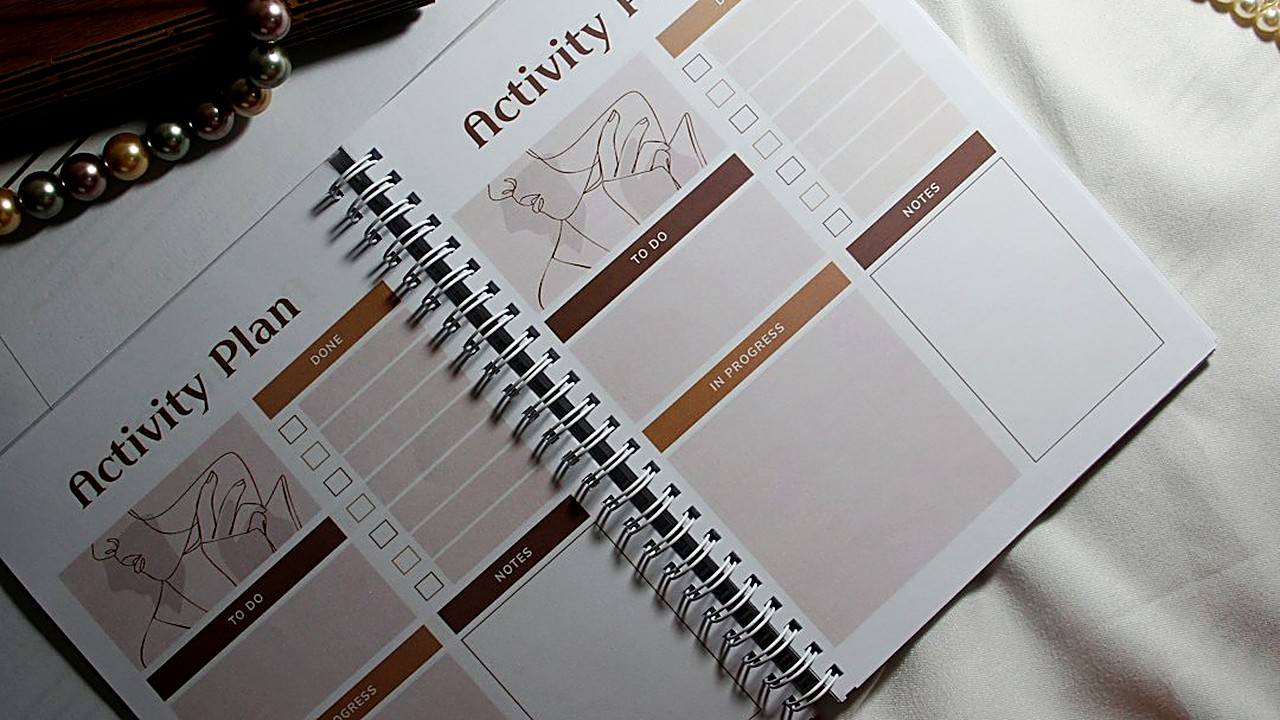 Build a Working Budget in 20 Minutes a Week: Here's How →
 The 20-Minute Monthly Budget for People With No Time →
A fixed income isn’t a life sentence to financial stress. It’s a constraint that forces creativity. I’ve seen families turn $3,000 monthly incomes into sustainable budgets by focusing on what they *can* influence: their spending habits. The key isn’t deprivation—it’s redirecting money away from silent drains.
Take my neighbor, for example. She cut her grocery bill by 30% simply by planning meals around sales and buying store brands. No drastic changes. Just consistency. The difference between feeling squeezed and feeling secure often comes down to small, repeatable actions—not grand sacrifices.
Clear money tips in your inbox. No hype.
Audit Your Spending Like a Detective—Not a Judge
Affiliate link. We may earn a commission on purchases, at no extra cost to you.
This content is informational and is not investment advice or financial consulting.
Start with a 30-day spending diary. Write down every coffee, every subscription, every impulse buy. No judgment. Just data. I did this myself years ago and found $180 a month going to unused gym memberships and magazine subscriptions I forgot about.
Use free tools like Mint or a simple spreadsheet. Categorize expenses into:
- Fixed needs: Rent, utilities, insurance
- Variable needs: Groceries, transportation
- Wants: Dining out, entertainment
Once you see where money *actually* goes, you can spot leaks. A client of mine realized she was spending $45 weekly on takeout coffee—$180 a month. She switched to brewing at home and redirected that cash to her emergency fund.
Slash Fixed Bills Without Moving or Changing Providers
 Budget Blown by the 15th? Here Is Your 48-Hour Fix Plan →
 How to Budget Checklist: What to Check First for Fast Savings →
 Cut Monthly Bills: What Actually Works and What Doesn't →
Fixed bills—rent, utilities, insurance—feel immovable. But they’re often negotiable. Call your providers and ask for discounts. I’ve saved clients 10–20% on internet and phone bills just by threatening to cancel. Companies don’t want to lose customers, so they’ll often offer promotions.
- Insurance: Shop around every 12–18 months. One friend cut her car insurance by 25% by switching to a smaller regional insurer.
- Utilities: Lower thermostat by 2 degrees in winter, raise it in summer. Use ceiling fans to circulate air. These small tweaks can shave 5–10% off energy bills.
- Rent: If you’re a long-term tenant, ask for a lease renewal discount. Landlords prefer stability over turnover.
Groceries: The Silent Budget Killer (And How to Tame It)
Food is the second-largest expense for most fixed-income households. The trick isn’t eating less—it’s eating smarter. Plan meals for the week based on sales flyers. Buy in bulk when non-perishables are discounted. Store brands often taste the same as name brands but cost 20–30% less.
I once helped a family of four reduce their grocery bill from $800 to $500 monthly by:
- Meal prepping on Sundays
- Using frozen vegetables (just as nutritious, half the price)
- Shopping at discount grocers like Aldi or ethnic markets for staples
Avoid shopping hungry. It leads to impulse buys that derail budgets.
Transportation: Drive Less, Save More
Car payments, gas, and insurance eat into fixed incomes fast. If you’re in a city, consider selling a second car or switching to a cheaper used model. Public transit or carpooling can cut transportation costs by 50% or more.
For those who must drive, maintain your vehicle religiously. A $20 oil change every 3,000 miles prevents $200+ repairs down the road. I’ve seen friends save thousands by catching small issues early.
Entertainment on a Dime: Free or Low-Cost Alternatives
Cable TV, streaming services, and movie theaters add up. Replace them with:
- Library cards (free books, movies, even museum passes)
- Free community events (concerts, art walks, outdoor movies)
- Swapping subscriptions with friends (e.g., share a Netflix account)
One reader told me she cut her entertainment budget from $150 to $30 monthly by canceling cable and using a $10 antenna for local channels. The savings went straight into her vacation fund.
Healthcare Costs: Prevent Expensive Surprises
Even with insurance, out-of-pocket costs can balloon. Use generic medications when possible. Ask doctors for free samples. Many pharmacies offer discount generic programs for common prescriptions.
Preventive care saves money long-term. A $50 annual flu shot beats a $2,000 ER visit. I’ve seen clients avoid financial crises by prioritizing regular check-ups over reactive care.
Mindset Shifts: Spend on What Matters, Cut What Doesn’t
Fixed income isn’t about scarcity—it’s about intentionality. Ask yourself before every purchase: *Does this align with my priorities?* A $5 daily lunch out adds up to $1,825 a year. That same money could fund a week’s groceries or a month’s utilities.
I’ve watched retirees stretch their budgets by focusing on experiences over things. A $20 picnic in the park beats a $50 restaurant meal any day—same joy, half the cost.
When to Seek Help—and When to Trust Your Gut
If you’re struggling to cover basics like food or medicine, reach out to local charities or government programs. Many offer assistance with utilities, rent, or healthcare. But be wary of “quick fix” debt solutions like payday loans—they often worsen financial stress.
Your gut knows when a budget is working. If you’re constantly stressed about money, revisit your plan. Small adjustments can make a big difference over time.
Final Reality Check: Progress > Perfection
Cutting expenses isn’t about becoming a minimalist overnight. It’s about making incremental changes that compound. One client reduced her monthly expenses by $400 over a year—not by slashing everything at once, but by tweaking habits one at a time.
The goal isn’t to live like a monk. It’s to create breathing room in your budget so you can enjoy life without constant financial anxiety.
Frequently asked questions
Is it really possible to save money on a fixed income without feeling deprived?
Yes, but it depends on your definition of deprivation. Small tweaks—like cooking at home or negotiating bills—can free up cash without sacrificing joy. The key is focusing on what you *value* and cutting what you don’t.
What’s the fastest way to lower my grocery bill?
Plan meals around sales, buy store brands, and avoid shopping hungry. Even small changes can cut 20–30% off your bill. I’ve seen families save $200+ monthly with these shifts.
Should I cancel all my subscriptions to save money?
Not necessarily. Review each one. If you use it regularly, keep it. If not, cancel. Consider sharing accounts (e.g., Netflix) with family or friends to split costs.
How do I negotiate lower bills without sounding confrontational?
Be polite but firm. Say, *“I’ve been a loyal customer for X years. Can you offer a discount to keep my business?”* Companies often have retention offers they’ll share if asked.
What if I’ve cut everything I can and still struggle?
Look into local assistance programs for utilities, rent, or healthcare. Charities and nonprofits often provide support for those in need. Don’t hesitate to ask for help—it’s there for a reason.
*NOT a CFP, NOT a Registered Investment Advisor. Content is informational. Consult licensed professional for specific decisions.*
Clear money tips in your inbox. No hype.
Educational content, not personalized financial advice. Sources cited where applicable.