10 Proven Ways to Slash Your Utility Bills Without Sacrificing Comfort


Quick answer: Small, consistent changes in heating, cooling, and appliance use can cut utility bills by 15-30%. Start with smart thermostat settings, LED lighting, and sealing leaks. Track usage monthly to spot savings opportunities fast.↗ Share on X
Quick Wins That Add Up Fast
 Practical Ways to Cut Monthly Costs on a Fixed Income →
 How Smart Home Tech Can Cut Your Monthly Utility Bills →
 How to Save Money Fast by Negotiating Your Rent and Utilities →
Cutting utility bills doesn’t mean living in the dark or freezing in winter. Small tweaks in how you use energy can save hundreds per year—without touching your thermostat’s comfort zone. The key is targeting the biggest energy hogs: heating, cooling, and appliances. One family I know in Oakland shaved $200 off their annual bill just by adjusting their water heater temperature and swapping incandescent bulbs for LEDs. No sacrifices, just smarter habits.
Start with these three moves today:
- Lower your water heater to 120°F (most default to 140°F, wasting energy).
- Switch to LED bulbs—they use 75% less energy and last years longer.
- Unplug "vampire" devices (TVs, chargers, microwaves) when not in use.
Track your next bill. You’ll likely see a dip within 30 days.
Clear money tips in your inbox. No hype.
1. Master Your Thermostat Like a Pro
Affiliate link. We may earn a commission on purchases, at no extra cost to you.
This content is informational and is not investment advice or financial consulting.
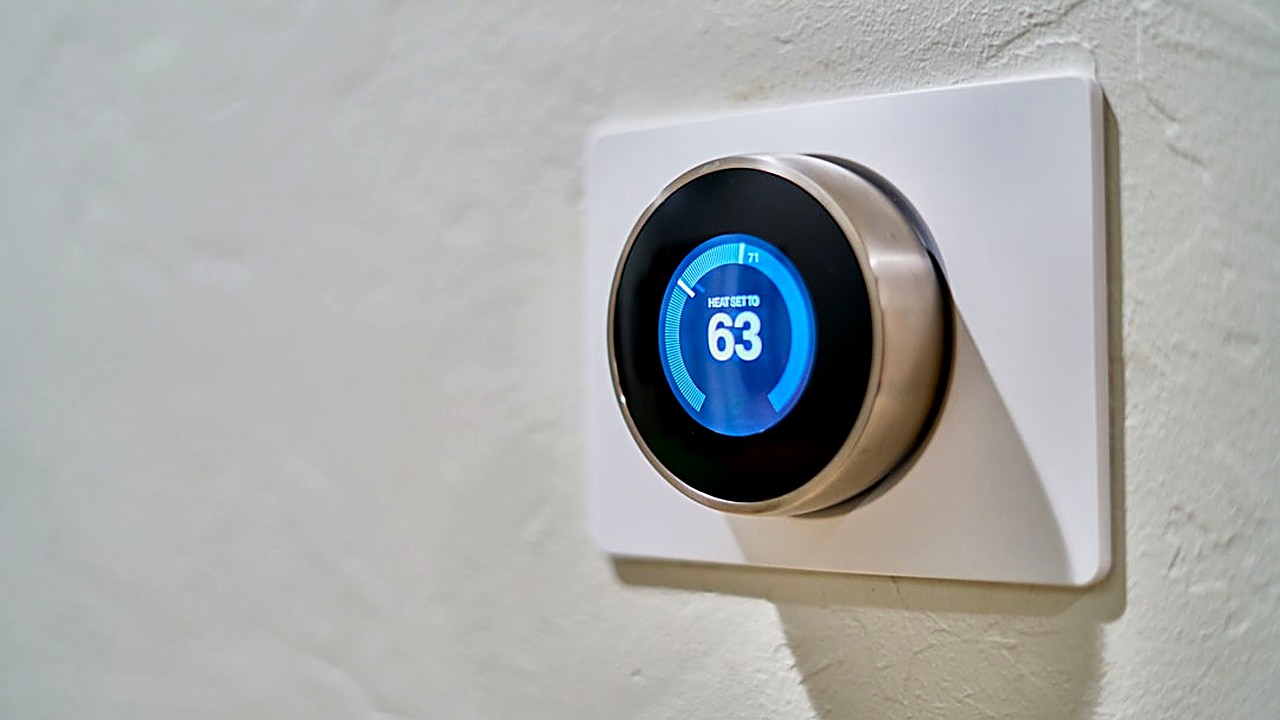
Heating and cooling account for nearly half of a home’s energy use. A programmable or smart thermostat can cut that by 10-15% if used right. The trick? Set it to adjust automatically when you’re asleep or away. I’ve seen neighbors save $300 annually just by programming theirs to lower the heat by 7-10°F for 8 hours a day.
How to do it:
- Winter: Set to 68°F when home, 60°F when out or sleeping.
- Summer: Set to 78°F when home, 85°F when away.
- Smart thermostats (like Nest or Ecobee) learn your routine and adjust automatically. They pay for themselves in under two years.
Pro tip: Close vents in unused rooms. No need to heat or cool space you don’t use. Just don’t fully close more than 20% of vents—it can strain your HVAC system.
2. Seal the Leaks That Drain Your Wallet
 How to Budget for Buying a Car When Money Is Tight →
 How to Budget for a Vacation on a Tight Salary Without Skipping the Fun →
 How to Build a Practical Budget Plan for Single Parents on a Tight Income →
Drafty windows and doors can add 10-20% to your heating and cooling bills. A simple $20 tube of caulk or $15 weatherstripping can fix gaps around windows, doors, and electrical outlets. I once helped a friend in San Francisco cut their drafts by sealing the attic hatch with foam board—saving $150 a year.
Where to check:
- Doors: Slide a dollar bill under the door. If it moves easily, add weatherstripping.
- Windows: Hold a lit incense stick near the frame. If the smoke wavers, you’ve got a leak.
- Attic and basement: Inspect for gaps around pipes, wires, and vents. Use expanding foam or insulation for larger holes.
DIY test: On a windy day, light a candle and walk around your home. If the flame flickers near a window or door, you’ve found a leak.
3. Upgrade to Efficient Appliances—Without Breaking the Bank
Older appliances guzzle energy. A 20-year-old fridge can cost $200 more per year to run than a modern ENERGY STAR model. But you don’t need to replace everything at once. Focus on the biggest energy users: refrigerators, washers, dryers, and dishwashers.
What to look for:
- Refrigerators: ENERGY STAR models use 9-15% less energy. If yours is over 10 years old, consider upgrading.
- Washers: Front-loaders use 30-50% less water and energy than top-loaders.
- Dryers: Heat pump dryers use 20-60% less energy than conventional models.
Smart move: Check local utility rebates before buying. Many offer discounts for ENERGY STAR appliances. In my area, PG&E gives $50–$300 back for qualifying models.
4. Use Fans to Stay Cool—Not Just AC
Fans cost pennies to run compared to air conditioning. A ceiling fan can make a room feel 4°F cooler, allowing you to raise the thermostat by 4°F without sacrificing comfort. Ceiling fans should run counterclockwise in summer (push air down) and clockwise in winter (pull air up).
Fan hacks:
- Portable fans: Place a bowl of ice in front of a fan for a DIY "cool mist" effect.
- Bathroom fans: Run them for 20 minutes after showering to remove humidity—prevents mold and reduces AC load.
- Exhaust fans: Use in kitchens while cooking to pull out heat.
Rule of thumb: Turn off fans when you leave the room. They cool people, not spaces.
5. Optimize Your Water Habits
Water heating is the second-biggest energy expense in most homes. Cutting hot water use can save $50–$150 annually. Start with low-cost fixes:
Quick fixes:
- Shorter showers: Reduce by 2 minutes to save 1,000 gallons of water and $50+ per year.
- Low-flow showerheads: Models like the Niagara Earth showerhead cost $20 and can cut water use by 40%.
- Fix leaks: A dripping faucet wastes 3,000 gallons a year. A new $5 washer can fix it.
Big moves:
- Insulate your water heater and pipes to keep water hot longer.
- Install a timer on your water heater to turn off during peak hours.
6. Cook Smarter to Save Energy (and Money)
Ovens and stovetops are energy hogs. A gas oven can cost $50–$100 more per year to run than an electric one. Small changes in how you cook add up:
Stovetop tips:
- Match the burner size to the pot. A 6-inch pot on an 8-inch burner wastes 40% of the heat.
- Use lids to trap heat and cook food faster.
- Avoid preheating unless baking bread or pastries.
Oven hacks:
- Batch cook and reheat meals to reduce oven use.
- Use a toaster oven or microwave for small meals—they use 70% less energy.
- Clean oven walls regularly to improve efficiency.
Pro move: Keep your oven door closed while cooking. Every peek drops the temperature by 25–50°F, forcing it to reheat.
7. Light Up Your Home for Pennies
Lighting accounts for 10-15% of your electric bill. Swapping to LEDs is the easiest way to cut costs. A single 60-watt incandescent bulb costs $75 over its lifetime, while an LED costs $10. That’s a $65 savings per bulb.
Where to start:
- Most-used lights: Replace bulbs in living rooms, kitchens, and hallways first.
- Dimmable LEDs: Work with existing dimmer switches.
- Motion sensors: Install in closets, bathrooms, and garages to avoid wasted light.
Bonus: LEDs don’t flicker like fluorescents, reducing eye strain. I replaced all the bulbs in my home office last year—my electric bill dropped by $12 a month.
8. Harness the Power of Off-Peak Hours
Some utilities charge less for energy used during off-peak hours (usually nights and weekends). Running appliances like dishwashers, washers, and dryers during these times can cut costs by 10-20%.
How to find your off-peak hours:
- Check your utility bill or website for time-of-use rates.
- Use a smart plug (like Kasa or TP-Link) to schedule appliances to run during off-peak.
What to run off-peak:
- Dishwashers
- Washing machines
- Electric vehicle charging
- Pool pumps
Caution: Don’t sacrifice convenience. If off-peak hours don’t align with your schedule, focus on other savings strategies.
9. Insulate Like Your Wallet Depends on It
Proper insulation keeps heat in during winter and out during summer. Many homes, especially older ones, are under-insulated. Adding attic insulation can cut heating and cooling costs by 10-25%.
Where to insulate:
- Attic: Aim for R-38 to R-60 (varies by climate).
- Walls: Blow-in insulation for existing walls is an option if you’re remodeling.
- Floors: Insulate above crawl spaces and basements.
DIY vs. pro:
- DIY: For attics, use rolled fiberglass or cellulose insulation. Rent a blower for cellulose.
- Pro: For walls or complex spaces, hire an insulation contractor.
Cost vs. savings: Attic insulation typically costs $1,500–$3,000 but pays for itself in 3–5 years through energy savings.
10. Track and Trim with a Home Energy Audit
The best way to find hidden energy drains is with a home energy audit. Many utilities offer free or low-cost audits. A professional will inspect your home for leaks, insulation gaps, and inefficient appliances.
What to expect:
- Blower door test to find air leaks.
- Thermal imaging to spot insulation gaps.
- Recommendations for upgrades and rebates.
DIY audit checklist:
1. Check insulation levels in attic and walls.
2. Inspect ductwork for leaks (use duct tape or mastic to seal).
3. Test windows and doors for drafts.
4. Review your utility bills for spikes.
After the audit: Prioritize fixes based on cost and savings potential. Small changes often yield big results.
Small Changes, Big Impact: Your Action Plan
You don’t need to overhaul your home to see savings. Start with the low-hanging fruit:
1. Lower your water heater temperature.
2. Swap 5 bulbs to LEDs.
3. Seal 3 drafty spots (doors, windows, outlets).
4. Program your thermostat.
5. Unplug vampire devices.
Track your next bill. If you save $15–$30, you’ve already won. Then, move to bigger projects like insulation or appliance upgrades.
Remember: Energy efficiency isn’t about deprivation. It’s about eliminating waste so you pay only for what you use. The average household can cut utility bills by 15-30% with these steps—without sacrificing comfort.
FAQ: Your Burning Questions Answered
Will these changes really save me money?
Savings depend on your home’s size, location, and current habits. Most households see 15-30% reductions in utility bills by implementing these strategies. Track your usage for 3-6 months to measure your progress.
Do smart thermostats work for renters?
Yes. Many smart thermostats (like Nest or Ecobee) are easy to install and don’t require permanent changes. Check with your landlord first, but most allow temporary installations.
Is it worth insulating my attic if I’m not planning to stay long-term?
If you’re in the home for 2+ years, insulation pays for itself. Even if you move, energy-efficient homes are more attractive to buyers. Plus, many utilities offer rebates to offset costs.
What’s the most overlooked energy drain?
Vampire loads—devices like TVs, chargers, and microwaves that draw power even when off. Unplugging them or using smart plugs can save $100+ per year.
Can I really save money by cooking differently?
Absolutely. Using lids on pots, matching burner sizes, and opting for smaller appliances (like toaster ovens) can cut cooking energy use by 20-30%. The savings add up over time.
NOT a CFP, NOT a Registered Investment Advisor. Content is informational. Consult a licensed professional for specific decisions.
Frequently asked questions
Will these changes really save me money?
Savings depend on your home’s size, location, and current habits. Most households see 15-30% reductions in utility bills by implementing these strategies. Track your usage for 3-6 months to measure your progress.
Do smart thermostats work for renters?
Yes. Many smart thermostats (like Nest or Ecobee) are easy to install and don’t require permanent changes. Check with your landlord first, but most allow temporary installations.
Is it worth insulating my attic if I’m not planning to stay long-term?
If you’re in the home for 2+ years, insulation pays for itself. Even if you move, energy-efficient homes are more attractive to buyers. Many utilities offer rebates to offset costs.
What’s the most overlooked energy drain?
Vampire loads—devices like TVs, chargers, and microwaves that draw power even when off. Unplugging them or using smart plugs can save $100+ per year.
Can I really save money by cooking differently?
Absolutely. Using lids on pots, matching burner sizes, and opting for smaller appliances (like toaster ovens) can cut cooking energy use by 20-30%. The savings add up over time.
*NOT a CFP, NOT a Registered Investment Advisor. Content is informational. Consult licensed professional for specific decisions.*
Clear money tips in your inbox. No hype.
Educational content, not personalized financial advice. Sources cited where applicable.