Why Dollar Cost Averaging Beats Market Timing for Beginners

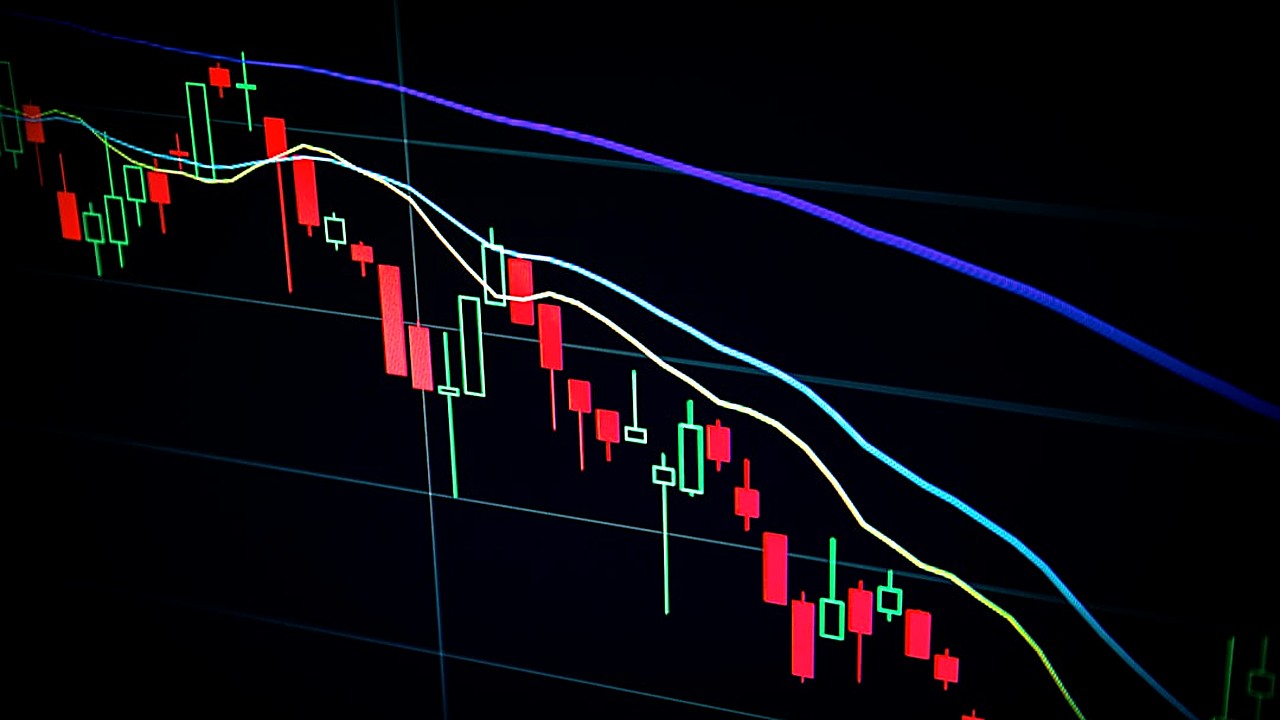
Quick answer: Dollar cost averaging beats market timing because it removes emotion and guesswork from investing. By buying a fixed amount of assets on a regular schedule, you lower your average cost per share over time. This strategy is safer and more consistent for beginners than trying to pick the perfect moment to buy.↗ Share on X
The Short Answer: Why Consistency Wins
 How to Pick a Low-Cost Brokerage for Index Fund Investing →
 What Minimum Amount Do You Need to Start a Diversified Index Fund Portfolio? →
 How Little Money Do You Really Need to Start Investing in Index Funds →
Stop trying to predict when the stock market will go up or down. It is nearly impossible, even for experts. For beginners, dollar cost averaging (DCA) is the better strategy because it removes the stress of timing the market. Instead of guessing the perfect day to buy, you invest a fixed amount of money at regular intervals, like every month. This approach lowers your average cost per share over time and reduces the risk of buying at a market peak. You do not need to be a genius to use it. You just need to start.
Clear money tips in your inbox. No hype.
What Is Dollar Cost Averaging, Really?
Affiliate link. We may earn a commission on purchases, at no extra cost to you.
This content is informational and is not investment advice or financial consulting.
Let's break this down simply. Imagine you have $500 to invest every month. You do not care if the market is up 2% or down 1% that day. You just buy $500 worth of your chosen investment.
Here is how it works in practice:
1. Month 1: The stock price is $10. You buy 50 shares.
2. Month 2: The stock price drops to $5. You buy 100 shares.
3. Month 3: The stock price goes back up to $10. You buy 50 shares.
Over three months, you spent $1,500. You now own 200 shares. Your average cost per share is $7.50 ($1,500 divided by 200). If you had tried to wait for the "bottom" in Month 2, you might have missed the opportunity or bought too little. DCA ensures you are always in the game.
The Problem with Market Timing
 Understanding the Difference Between Total Market and S&P 500 Index Funds →
 Tax Implications of Investing in Index Funds for Retirement →
 How to Build a Long-Term Investment Plan When Your Income Is Irregular →
Most people think they can time the market. They see the news and hear that stocks are expensive, so they wait. Then the market goes up, and they panic. They buy too late, at a higher price. This is called "buying high and selling low," and it is the biggest mistake beginners make.
Market timing requires you to be right twice:
1. You must pick the right time to buy.
2. You must pick the right time to sell.
If you are wrong about either one, you lose money. Studies show that even professional money managers struggle to beat the market consistently by timing it. For a beginner with no experience, the odds are even lower. DCA takes the guesswork out of the equation. You are not trying to be a hero. You are building wealth slowly and steadily.
Why This Works for Beginners
You probably have a job, bills, and a life. You do not have time to watch the stock market all day. DCA fits into your life because it is automatic. You set it up once, and your brokerage account handles the rest.
Here are the specific benefits for someone just starting out:
- It removes emotion. You are not scared when the market drops because you know you are buying more shares at a discount. You are not greedy when the market rises because you are sticking to your plan.
- It builds discipline. Investing is a habit. DCA forces you to invest regularly, which is the most important part of long-term success.
- It lowers risk. By spreading your purchases over time, you are less likely to lose a large amount of money if the market crashes right after you invest.
How to Start Investing in 5 Simple Steps
You do not need a finance degree to start. You need a plan. Here is a step-by-step guide to getting started with DCA.
Step 1: Choose Your Investment Vehicle
For most beginners, the best choice is an index fund. An index fund is a basket of stocks that tracks a specific market index, like the S&P 500. The S&P 500 is a group of 500 large U.S. companies. When you buy an index fund, you are buying a tiny piece of all those companies at once. This gives you instant diversification, which means you are not betting on just one company. If one company fails, it does not ruin your whole portfolio. Look for funds with low fees, often called expense ratios. A fee of 0.1% is much better than 1% over 30 years.
Step 2: Open a Brokerage Account
You need a place to buy your investments. You can use a discount broker like Fidelity, Schwab, or Vanguard. These companies are well-known and have low fees. You will need to provide your personal information and link your bank account. This process usually takes 10 to 15 minutes.
Step 3: Set Your Budget
Decide how much you can invest each month. It does not have to be a lot. Start with $100 or $200. The goal is to build the habit. If you can only afford $50, start with $50. You can always increase the amount later. The key is to invest what you can afford to lose for at least 10 years. Do not invest money you need for rent or emergency expenses.
Step 4: Automate the Process
This is the most important step. Set up automatic transfers from your checking account to your brokerage account. Schedule them for the day after you get paid. When the money arrives, have it automatically buy your index fund. This removes the temptation to skip a month because you feel "rich" or "poor." You just follow the system.
Step 5: Ignore the Noise
Once you are set up, stop checking the price every day. The market will go up and down. This is normal. If you panic and sell during a dip, you lock in your losses. Stay the course. Check your portfolio once a year to make sure it is on track, but do not make changes based on daily news.
A Concrete Example: The Power of Time
Let's look at a real-world scenario. Imagine two friends, Alice and Bob. Both have $1,000 to invest.
Bob tries to time the market. He waits for a crash. The market drops 10%, but he is scared and does nothing. Then it drops another 5%. He thinks it will go to zero, so he keeps waiting. The market bounces back up 20% in two weeks. Bob missed the recovery. He finally buys at the top. He loses money.
Alice uses DCA. She invests $500 in Month 1 and $500 in Month 2. Even if the market dropped in Month 1, she bought more shares at a lower price. When the market bounced back, her portfolio grew. She did not have to guess. She just followed her plan.
Over 10 years, Alice is likely to have more money than Bob, even if Bob is smarter. Why? Because Alice stayed in the market. Bob stayed out of it.
Common Mistakes to Avoid
Even with a good strategy, you can make mistakes. Here are three to watch out for:
1. Stopping too soon. If the market drops 20%, do not stop investing. That is when you are buying the most value. Stopping means you miss the recovery.
2. Chasing hot stocks. You will see news about a company that is going to be the next big thing. Do not buy it. Stick to your index fund. Hot stocks often crash. Index funds are boring, but they work.
3. Ignoring fees. Fees eat into your returns. If you pay 1% in fees, you lose 1% of your money every year. Over 30 years, that is a huge amount. Always choose low-cost index funds.
How This Fits Into Retirement Savings
This strategy is perfect for long-term goals like retirement. You have decades to grow your money. You do not need to get rich quick. You need to be consistent. By starting early, even with small amounts, you let compound interest work for you. Compound interest means you earn interest on your interest. The longer you invest, the faster your money grows.
If you are saving for retirement, consider using a tax-advantaged account like a 401(k) or an IRA. These accounts offer tax breaks that can help your money grow faster. Many employers match a portion of your 401(k) contributions. This is free money. Always contribute enough to get the full match, then invest the rest using DCA.
What If I Have Little Money?
You do not need thousands of dollars to start. Many brokers let you buy fractional shares. This means you can buy a slice of a stock or fund for as little as $1. If you only have $10, you can still start. The habit is more important than the amount. As your income grows, you can increase your monthly contribution. The key is to start now, not later.
When to Seek Professional Help
While DCA is a simple strategy, it is not a substitute for personalized financial advice. If you have a complex financial situation, such as high debt, a business, or significant assets, you should talk to a certified financial planner. They can help you build a plan that fits your specific needs. Do not ignore professional advice if you feel overwhelmed. It is better to pay for help than to make a costly mistake.
Your Next Step
Do not wait until next month. Do not wait until you have saved more. You have the information you need. Here is your action plan for this week:
1. Open a brokerage account today. It takes 15 minutes.
2. Choose a low-cost S&P 500 index fund.
3. Set up an automatic transfer of $50 to $100 per month.
4. Set it and forget it. Check back in one year.
You are not just investing money. You are investing in your future self. Start small, stay consistent, and let time do the heavy lifting. The market will test your patience, but if you stick to DCA, you will likely come out ahead. The best time to start was yesterday. The second best time is right now.
FAQ
Is dollar cost averaging better than lump sum investing?
For beginners, dollar cost averaging is often better because it reduces the risk of buying at a market peak. Lump sum investing can yield higher returns if the market goes up, but it is stressful and risky for those new to investing. DCA provides peace of mind and consistent growth.
How much money do I need to start investing?
You can start with as little as $50 or even $10 if your broker allows fractional shares. The amount matters less than the habit. Start with what you can afford and increase it over time as your income grows.
What is the best investment for beginners?
Low-cost index funds, such as those tracking the S&P 500, are widely considered the best for beginners. They offer diversification, low fees, and historical growth. They are simple to understand and easy to manage.
Clear money tips in your inbox. No hype.
Educational content, not personalized financial advice. Sources cited where applicable.