Why Your Zip Code Raises (or Lowers) Your Car Insurance


Quick answer: Insurers group drivers by zip code and look at how many claims people in that area file and how much those claims cost. More traffic, theft, vandalism, lawsuits, severe weather and expensive repairs nearby usually mean a higher base price. You can't change the average for your zip code, but you can change your coverage, deductible, discounts and the company you buy from.↗ Share on X
Car insurance companies use your zip code to estimate how likely you are to file a claim and how expensive that claim will be. They pool drivers by location and look at the claims history of that area: how often cars are hit, stolen or broken into, how many injury lawsuits are filed, how bad the weather gets, and what local repair shops and hospitals charge. If your zip code has more of those costs, your base rate (the starting price before your personal details are added) is usually higher, even if you have a perfect driving record.
The good news: location is only one piece of your price. Below you'll see exactly what insurers look at in your zip code, why two neighbors can pay different prices, and what you can actually do about it.
Note: Insurance rules vary by state. This article explains how rating usually works. For questions about your specific policy, talk to a licensed insurance agent or your state insurance department.
What does an insurer look at in your zip code?
 Multi-Car Accident: Who Pays Your Insurance Deductible? →
 Will Filing a Claim Raise Your Premium? What Really Happens →
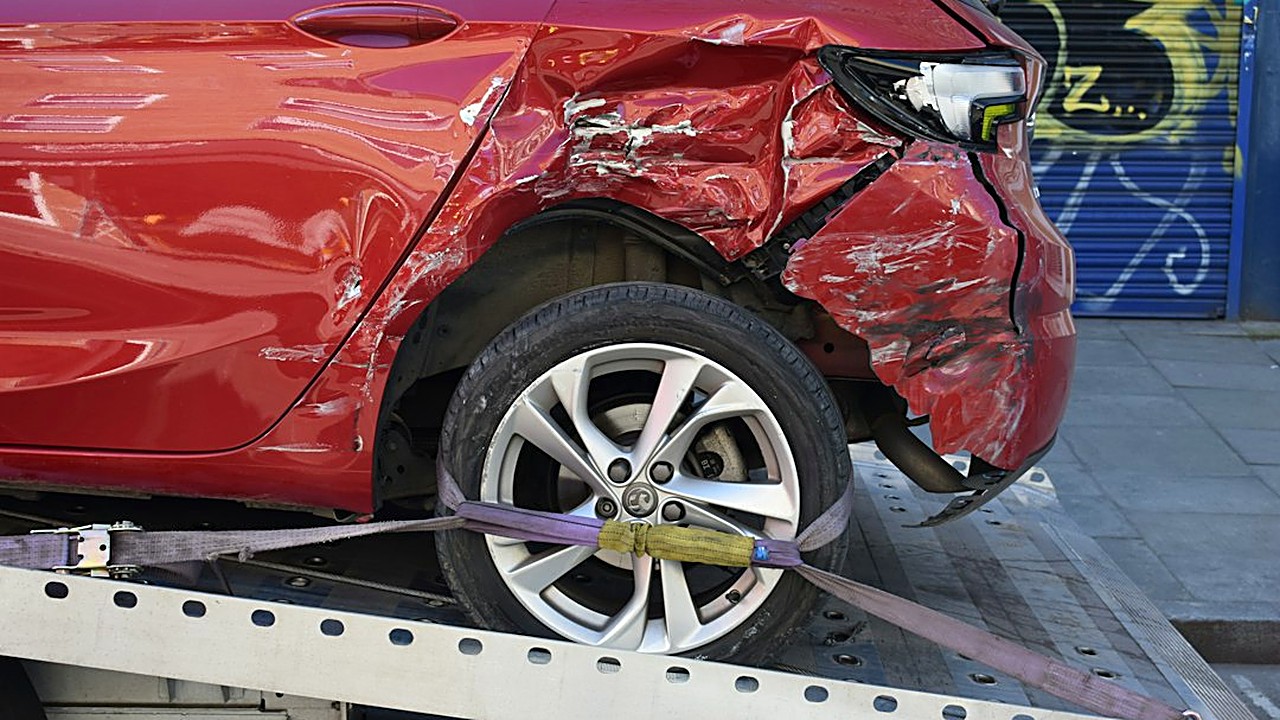 Your Car Insurance Deductible After a Crash, Explained →
Insurers don't judge you personally by where you live. They look at the group of drivers in your area. Here are the main local factors:
| Local factor | Why it matters to the insurer | Coverage it affects most |
|---|---|---|
| Traffic density | More cars on the road means more chances of a crash | Liability, collision |
| Accident frequency | Areas with many claims push the group's price up | Liability, collision |
| Car theft and break-ins | Stolen or damaged cars must be paid for | Comprehensive |
| Vandalism | Broken windows and damaged paint add up | Comprehensive |
| Weather | Hail, floods, hurricanes and wildfires damage cars | Comprehensive |
| Uninsured drivers | If many drivers have no insurance, your own policy pays more often | Uninsured motorist |
| Lawsuits and legal costs | Areas where injury claims often go to court cost more | Liability, bodily injury |
| Repair and medical costs | Labor and parts cost more in some cities | All coverages |
Each company weighs these differently. That's one reason the same driver can get very different quotes from two companies.
Clear money tips in your inbox. No hype.
How does the insurer turn this into a price?
Affiliate link. We may earn a commission on purchases, at no extra cost to you.
This content is informational and is not investment advice or financial consulting.
The process looks roughly like this:
1. The state is divided into rating territories. A territory can be one zip code, part of a zip code, or several zip codes grouped together.
2. Each territory gets a factor. The insurer studies years of claims in that territory and gives it a number. A territory with costly claims gets a higher factor.
3. The base rate is multiplied by that factor. If the territory factor is high, the starting price goes up.
4. Your personal details are applied on top. Your driving record, age, years of driving experience, the car you drive, how many miles you drive, your coverage choices and, in many states, your credit-based insurance score.
5. Discounts are subtracted. Safe driver, bundling, good student, paid-in-full and others.
So your zip code sets the starting line. Everything else moves you up or down from there.
Why can two neighbors pay very different prices?
 Life Insurance Riders Explained: Which Add-Ons Are Worth It →
 How Your Medical History Sets Your Life Insurance Price →
 Change Your Life Insurance Beneficiary After Divorce or Baby →
Because the zip code is only the starting point. Two people on the same street can pay very different amounts if they differ in:
- Driving record. An at-fault accident or a speeding ticket usually raises the price for several years.
- The car. Cars that are expensive to repair or popular with thieves cost more to cover.
- Coverage. One neighbor may carry only the state minimum. The other may have full coverage with a low deductible.
- Deductible. The deductible is the amount you pay yourself before insurance pays on a collision or comprehensive claim. A higher deductible usually means a lower premium.
- Miles driven. Someone who works from home drives less and may pay less.
- Insurance history. A gap in coverage can raise your price.
- Credit-based insurance score. Many states allow insurers to use it. Some states, such as California, Hawaii, Massachusetts and Michigan, ban or strictly limit it for auto insurance.
Do all states let insurers use zip codes the same way?
No. States regulate insurance, and the rules differ. A few examples of how states shape pricing:
- California requires that your driving record, the miles you drive each year and your years of driving experience weigh more in your price than other factors, including where you live.
- Several states require insurers to file their rating factors with the state, so the factors are reviewed before they're used.
- Some states have programs or rules aimed at keeping coverage available in high-cost areas.
If you think your rate is unfair, your state insurance department has a consumer help line. It can explain what factors are allowed and take complaints.
Does moving across town really change your rate?
Yes, it often does. Moving from a quiet suburban zip code to a busy downtown one can raise the price, and the opposite move can lower it. Even moving into a building with a garage instead of street parking can matter, because a car parked in a locked garage is less likely to be stolen or vandalized.
Before you sign a lease or buy a home:
1. Call your insurer or go to its website.
2. Ask for a quote using the new address.
3. Ask whether they offer a discount for a garage or off-street parking.
4. Add the insurance difference to your monthly budget for the move.
And when you do move, tell your insurer right away. Your policy must list the address where the car is mainly kept overnight. Keeping the old address to save money is misrepresentation. If you file a claim and the company finds out, it can deny the claim or cancel your policy.
7 ways to lower your rate when your zip code is expensive
You can't change your neighborhood's claim history. You can change almost everything else.
1. Shop around every year. Each company weighs location differently. Get quotes from at least three companies, including smaller regional insurers, using the same coverage limits so the comparison is fair.
2. Raise your deductible, carefully. Moving from a low deductible to a higher one can cut your collision and comprehensive cost. Only choose a deductible you could pay from savings tomorrow if you had a claim.
3. Review comprehensive and collision on older cars. If your car is worth little, paying for full coverage may not make sense. A common rule of thumb: if a year of that coverage costs close to what the car is worth, ask an agent whether to drop it.
4. Ask for every discount. Bundling home or renters insurance, paying the full term at once, paperless billing, defensive driving courses, good student, low mileage and anti-theft devices are common ones. Discounts vary by company and state.
5. Try usage-based insurance. Many insurers offer a phone app or plug-in device that tracks how you drive. Careful drivers may earn a discount. Read the terms first: in some programs, risky driving can raise your price.
6. Park safely. A garage or off-street spot lowers theft and vandalism risk. Tell your insurer where the car is parked.
7. Protect your record. Avoiding tickets and at-fault accidents keeps your personal factors low, which offsets a high location factor over time.
How do you compare quotes the right way?
A cheaper quote isn't always a better deal. Before you switch, check these items side by side:
| Item to compare | What to check |
|---|---|
| Liability limits | Same limits on every quote (for example, the same amounts per person and per accident) |
| Deductibles | Same deductible for collision and comprehensive |
| Uninsured motorist | Included or not, and at what limit |
| Rental car and roadside help | Included or extra |
| Discounts applied | Which ones, and do you actually qualify |
| Payment plan fees | Monthly plans sometimes add installment fees |
State minimum coverage is often cheap, but it may not be enough to protect your savings if you cause a serious crash. A licensed agent can help you decide how much liability coverage fits your situation.
What if your rate jumped and you didn't move?
Rates can rise even if nothing changed for you. Common reasons:
- The insurer raised prices across your whole territory because claims went up there.
- Repair and medical costs went up in your area.
- A discount expired, such as a new-customer discount.
- A ticket or claim from the past few years was added at renewal.
Call your insurer and ask, "What changed in my price at this renewal?" They should be able to explain which factors moved. Then get fresh quotes from other companies.
Your next step
Find your current policy's declarations page (the summary page that lists your coverages and limits). Using those exact limits and deductibles, get quotes from three insurers this week, and ask each one which discounts you qualify for. If you're planning a move, request a quote for the new address before you commit. If something about your rate doesn't make sense, call your state insurance department's consumer line for free help.
FAQ
Is it legal for insurers to charge more based on my zip code?
In most states, yes, as long as the rates are filed with and approved or allowed by the state insurance department. Some states limit how much weight location can have. Your state insurance department can tell you the rules where you live.
Should I use a different address to get a cheaper rate?
No. You must list the address where the car is mainly kept overnight. Using a false address is misrepresentation and can lead to a denied claim or a canceled policy.
Will my rate change if I move a few blocks?
It can, if the new address is in a different zip code or rating territory. Get a quote for the new address before you sign a lease so you know the real cost of the move.
Clear money tips in your inbox. No hype.
Educational content, not personalized financial advice. Sources cited where applicable.