Car Repair Sinking Fund: How Much to Save Each Month

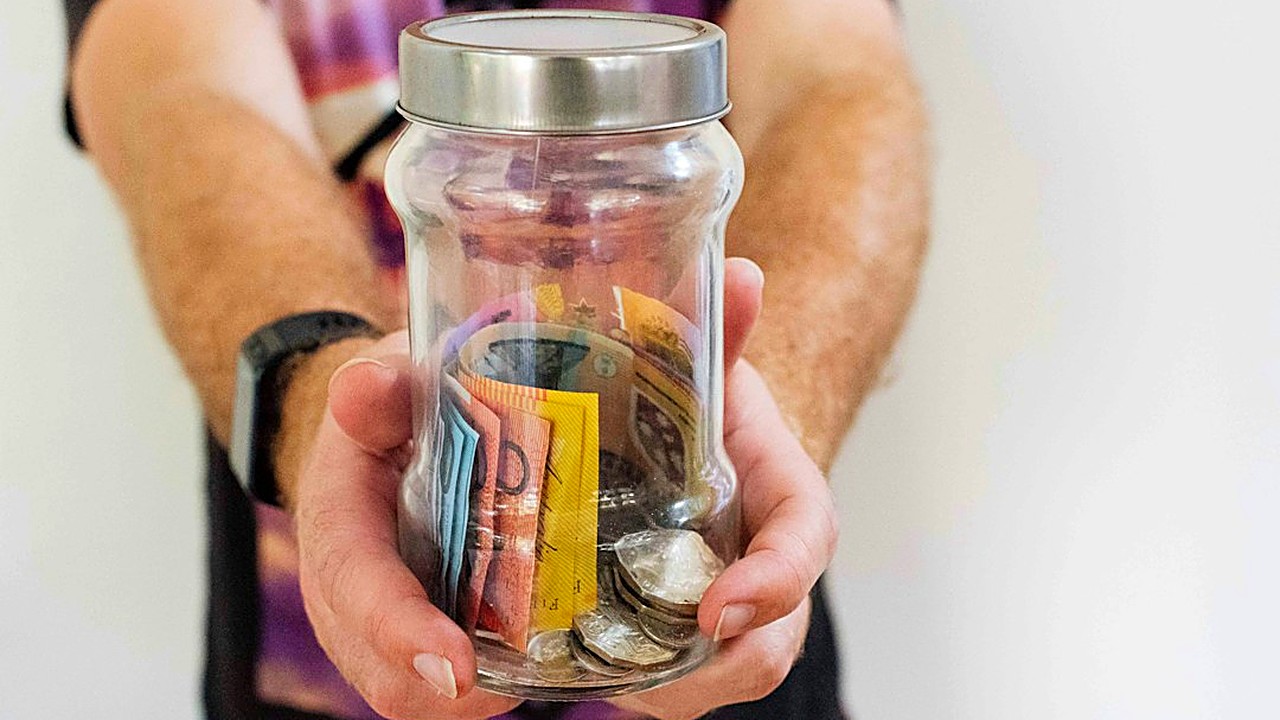
Quick answer: Estimate your yearly maintenance and repair costs, divide by 12, and automatically move that amount into a separate savings account each payday. For example, a $1,200 yearly estimate means saving $100 a month. Keep it separate from your emergency fund.↗ Share on X
To build a sinking fund for car repairs, pick a yearly repair target, divide it by 12, and move that amount into a separate savings account on every payday. For example, if you expect about $1,200 a year in maintenance and repairs, save $100 a month. The point of a sinking fund is simple: a $600 brake job becomes a planned expense you already paid for, instead of a credit card bill or a hole in your emergency fund.
Here is how to find your number, where to keep the money, and what to do when a big repair hits before the fund is full.
Sinking fund or emergency fund: what is the difference?
 Save Money on Groceries Without Meal Planning: 12 Moves →
 How to Separate Business and Personal Expenses in One Account →
 Is Inflation Eating Your Emergency Fund? 3 Steps to Fix It →
A sinking fund is money you set aside for an expense you know is coming, even if you don't know the exact date or amount. Car repairs fit perfectly. Tires wear out. Brakes wear out. Batteries die. You can't predict which week, but you know it will happen.
An emergency fund is for things you can't plan for, like losing your job or a big medical bill.
| Car repair sinking fund | Emergency fund | |
|---|---|---|
| Purpose | Expected car costs (tires, brakes, battery, repairs) | Unexpected life events (job loss, urgent bills) |
| How you build it | Fixed monthly amount toward a yearly target | Build to several months of essential expenses |
| How often you use it | Several times a year | Rarely, ideally |
| What happens after you use it | Keep saving the same amount | Refill it as a top priority |
When car costs come out of the emergency fund, the emergency fund is often empty the day you really need it. Keeping them separate protects both.
Clear money tips in your inbox. No hype.
How much should you save each month?
Affiliate link. We may earn a commission on purchases, at no extra cost to you.
This content is informational and is not investment advice or financial consulting.
There's no single right number. It depends on your car's age, how much you drive, and where you live. Use this four-step method to find your number.
1. List your known maintenance. Check your owner's manual for oil changes, tire rotations, filters and other scheduled service. Call a local shop or check their website for prices.
2. Add the big wear items. Think about tires, brakes, battery, and wiper blades. Estimate when each will need replacing based on age and miles.
3. Add a cushion for surprise repairs. Older cars and cars with high mileage need a bigger cushion.
4. Divide by 12. That's your monthly sinking fund amount.
Here's an example worksheet. The prices below are made-up placeholders to show the math. Replace them with real quotes from your area.
| Item | How often | Estimated cost | Yearly share |
|---|---|---|---|
| Oil changes | 3 per year | $70 each | $210 |
| Tire rotation | 2 per year | $30 each | $60 |
| New tires | Every 4 years | $640 | $160 |
| Brake pads | Every 3 years | $300 | $100 |
| Battery | Every 5 years | $200 | $40 |
| Wipers, filters, small items | Yearly | $90 | $90 |
| Surprise repair cushion | Yearly | $540 | $540 |
| Total | $1,200 |
$1,200 divided by 12 is $100 a month. If you're paid every two weeks, that's about $46 per paycheck (26 paychecks a year).
How do you adjust for an older car?
 Find Hidden Recurring Fees on Your Bank Statement Fast →
 Find Forgotten Subscriptions on Your Bank Statement →
 Find Forgotten Subscriptions on Your Bank Statements Fast →
Older cars usually cost more to keep running. A few guidelines that help you set the cushion:
- Car still under warranty: many repairs may be covered. A smaller cushion can work, but you still pay for tires, brakes and routine service.
- Car out of warranty with average miles: use a moderate cushion and review it every year.
- Older car with high miles: raise the cushion, and keep a written list of repairs a mechanic has warned you about.
Ask your mechanic directly: "What do you expect this car will need in the next 12 months?" Most shops will tell you what's starting to wear. Put those items straight into your worksheet with their quoted prices.
Where should you keep the money?
Keep it separate from your checking account, or it will quietly get spent. Good options:
1. A high-yield savings account. Online banks often pay more interest than a regular savings account. The money stays safe and is usually available in one or two business days.
2. A second savings account at your current bank. Less interest, but instant transfers to checking. Name it "Car Repairs" so you see its purpose every time you log in.
3. A savings "bucket" feature. Some banks let you split one savings account into labeled goals.
Avoid investing your sinking fund in stocks. Car repairs can happen any month, and you don't want to sell investments after a market drop to pay for brakes.
Check that the account is FDIC-insured (or NCUA-insured for credit unions). That protects your deposit if the bank fails, up to the legal limit.
How do you make saving automatic?
Automation is what makes a sinking fund work. You don't have to remember, and you don't have to decide each month.
1. Log in to your bank or app.
2. Set a recurring transfer from checking to your car savings account.
3. Schedule it for the day after payday, so the money moves before you can spend it.
4. Set the amount to your monthly number (or the per-paycheck number).
5. Put a reminder in your calendar once a year to review the amount.
If your income changes month to month, try a percentage instead. For example, move 3% of every deposit into the car fund. It grows faster in good months and doesn't hurt as much in slow ones.
What if a big repair happens before the fund is full?
This will probably happen at least once. Here is a sensible order to cover it:
1. Use what's in the car sinking fund first. That's what it's for.
2. Ask for a written estimate and a second opinion on big repairs. Ask which parts are urgent for safety and which can wait a month or two.
3. Cover the gap from regular monthly spending if you can, by cutting extras for a few weeks.
4. Use the emergency fund only if needed, and then refill it before anything else.
5. Avoid high-interest debt if you have any other choice. A credit card balance at a high rate can make a repair cost much more over time.
After the repair, don't stop saving. Keep the automatic transfer running. If the fund keeps running out, your monthly number is too low. Raise it by a small amount, even $10 or $20.
Should you ever stop saving?
You can set a ceiling. Some people stop adding once the fund reaches the cost of a set of tires plus a major repair cushion. Once you reach your ceiling:
- Keep the transfer going, but send it to another goal, like a fund for your next car.
- Restart the car fund transfer as soon as you spend from it.
A "next car" fund is a natural next step. Saving even part of the price ahead of time can mean a smaller loan, or no loan at all, when this car finally retires.
Common mistakes to avoid
- Guessing instead of checking prices. A rough guess is fine to start, but call one or two local shops within the first month.
- Mixing the money with checking. If you can see it every time you pay for groceries, it disappears.
- Forgetting yearly costs. Registration, inspection fees and insurance deductibles are separate budget items. Some people add them to the car fund; others keep a separate "car fees" fund. Either works if you plan for them.
- Skipping maintenance to save money. Missing oil changes or ignoring worn brakes often leads to bigger repair bills later, and worn brakes or tires are a safety risk.
When should you get professional help?
If car costs are pushing you into debt every month, or you can't decide whether to keep fixing an old car or replace it, consider talking to a nonprofit credit counselor or a financial professional. For repair decisions, a trusted mechanic's written estimate is the best starting point. This article is general education, not personal financial advice.
Your next step today
Open your bank app and create a new savings account or bucket named "Car Repairs." Then grab your owner's manual and fill in the worksheet above with your own car's items. Even before you finish the worksheet, set up an automatic transfer of a small amount, such as $25 per paycheck. Once you have real prices, adjust it to your true monthly number.
FAQ
How much should I have in a car repair sinking fund?
It depends on your car's age, mileage and local prices. A good method is to list scheduled maintenance, wear items like tires and brakes, and a cushion for surprises, then add them up for a yearly target.
Is a sinking fund the same as an emergency fund?
No. A sinking fund is for expected costs like tires and brakes. An emergency fund is for unexpected events like job loss. Keeping them separate stops car repairs from draining your emergency money.
Where should I keep my car repair fund?
In a separate, insured savings account, such as a high-yield savings account. Avoid investing it in stocks, because you may need the money any month.
Clear money tips in your inbox. No hype.
Educational content, not personalized financial advice. Sources cited where applicable.