How to Build an Emergency Fund with Just $5 a Week


Quick answer: Start by setting a realistic target—usually three to six months of essential expenses. Open a separate high‑yield savings account, set up an automatic $5 weekly transfer, and let compound interest do the rest. Adjust contributions when possible and avoid dipping into the fund unless a true emergency occurs.↗ Share on X
Why a Small, Consistent Contribution Works
 Prioritizing Needs Over Wants in a Tight Budget →
 How to Use a High‑Yield Savings Account to Accelerate Your Emergency Fund →
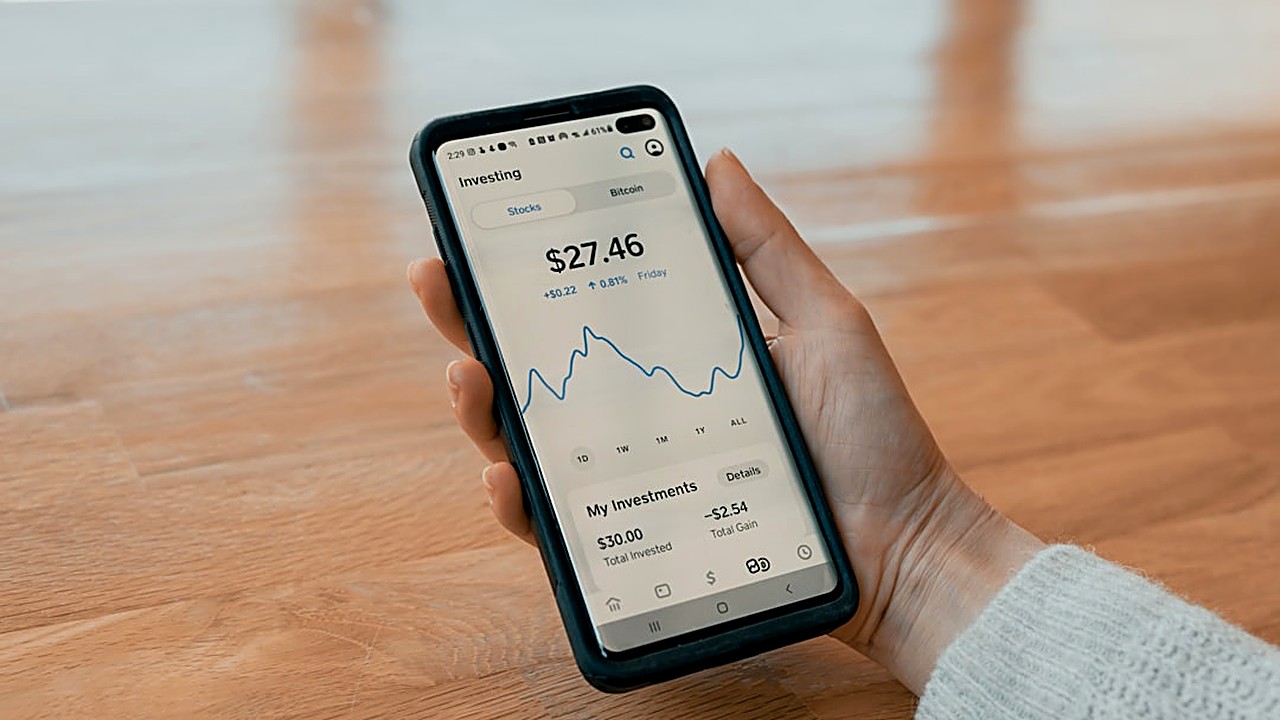 Build a DIY Emergency Fund with Automatic Savings Apps →
Even a modest $5 weekly deposit adds up over time. The magic lies in consistency, not the size of each payment. A $5 weekly habit creates a mental anchor, reinforcing the idea that saving is a regular part of life. In my own household, I began with $5 a week and watched the balance grow without feeling any pinch.
Clear money tips in your inbox. No hype.
Setting a Realistic Goal
Affiliate link. We may earn a commission on purchases, at no extra cost to you.
This content is informational and is not investment advice or financial consulting.
Most financial planners suggest an emergency fund that covers three to six months of essential expenses—rent, utilities, groceries, and transportation. For a single person with modest costs, that range might be $3,000 to $6,000. If you’re starting from zero, break the goal into smaller milestones: $500, $1,000, then $2,000, and so on. Smaller targets feel achievable and keep motivation high.
Choosing the Right Account
 How to Stop Living Paycheck-to-Paycheck Without Raising Your Income →
 How to Build a Sustainable Savings Habit Using the 52‑Week Challenge →
 How to Use the Cash Envelope System for Digital Budgeting →
A high‑yield savings account or an online money‑market fund typically offers better interest than a checking account. Look for an institution with no monthly fees and easy online access. The goal is to keep the money safe, liquid, and earning a modest return. Once you’ve opened the account, label it clearly—"Emergency Fund"—so you won’t accidentally spend it on non‑essentials.
Automating the $5 Transfer
Automation removes the decision‑making step that often leads to skipped contributions. Set up a recurring transfer for $5 every Friday, aligning with payday or a weekly budgeting cycle. Most banks allow you to schedule transfers in increments as low as $1. If your employer offers direct deposit, you can even route a portion of each paycheck straight to the savings account.
The Power of Compound Interest
Even a modest 1.5% annual yield can shave weeks off the time needed to reach your goal. Over ten years, $5 a week grows to roughly $2,800, assuming the interest compounds monthly. The longer the money stays untouched, the more the interest adds up. While the return isn’t dramatic, it does reinforce the habit of letting the fund sit untouched.
Adjusting Contributions When Possible
Life isn’t static. When a bonus, tax refund, or extra gig income arrives, consider adding a one‑time boost to the emergency fund. Even a $50 lump sum can shave months off the timeline. Conversely, if a month is tight, you can pause the $5 contribution—just resume as soon as you can. The key is to keep the habit alive.
Handling Setbacks Without Breaking the Fund
A true emergency—medical bill, car repair, or sudden job loss—justifies tapping the fund. When you withdraw, treat the depletion as a signal to rebuild. Restart the $5 weekly plan immediately, and if possible, increase the amount temporarily to recover lost ground faster.
Real‑World Timeline Example
Imagine a single renter with monthly essential costs of $1,200. A three‑month safety net equals $3,600. Starting from zero, contributing $5 weekly (about $20 a month) would take roughly 180 weeks, or 3.5 years, to hit the target. If you boost the contribution to $10 weekly after the first year, you cut the remaining time in half. The timeline demonstrates that patience and occasional increases make the goal reachable.
Psychological Benefits of the $5 Habit
Saving a small, regular amount reduces the mental barrier many feel toward larger savings goals. Each $5 deposit reinforces a sense of control and progress. Over time, the habit spills over into other financial decisions—like cutting a coffee habit or negotiating a better phone plan—creating a ripple effect of smarter spending.
Tips to Stay on Track
1. Visual Tracker – Use a spreadsheet or a simple wall chart to mark each $5 deposit. Seeing the streak grow is motivating.
2. Round‑Up Apps – Some banking apps let you round up purchases to the nearest dollar and automatically transfer the difference. Those extra cents add up.
3. Celebrate Milestones – When you hit $500, treat yourself with a low‑cost reward—perhaps a home‑cooked favorite meal. Celebrate without dipping into the fund.
4. Review Quarterly – Every three months, check the balance and adjust the weekly amount if your income or expenses have changed.
When $5 a Week Isn’t Enough
If your essential expenses are higher, the $5 weekly plan may feel too slow. In that case, combine the habit with other savings tactics: cut discretionary spending, negotiate bills, or seek side‑hustle income. The $5 contribution remains the backbone, while additional strategies accelerate progress.
Bottom Line
Building an emergency fund doesn’t require a massive paycheck. A disciplined $5 weekly contribution, placed in a high‑yield account and left untouched, can eventually provide a safety net that protects against life’s unexpected turns. The process hinges on consistency, occasional boosts, and a clear, realistic target.
Disclaimer: NOT a CFP, NOT a Registered Investment Advisor. Content is informational. Consult a licensed professional for specific decisions.
Frequently Asked Questions
1. Can I start with less than $5 a week?
Yes, any amount is better than none. Begin with what feels comfortable, then increase the contribution as your budget allows.
2. What qualifies as an emergency?
Generally, expenses that are necessary for health, safety, or maintaining basic living standards—such as medical bills, car repairs, or temporary loss of income.
3. Should I keep the emergency fund in a checking account?
A checking account offers easy access but usually provides little to no interest. A high‑yield savings account balances accessibility with modest earnings.
4. How often should I review my fund?
A quarterly review helps you stay aligned with goals and adjust contributions if your financial situation changes.
5. What if I need to withdraw money before the goal is reached?
Treat any withdrawal as a signal to rebuild. Resume the $5 weekly habit immediately, and consider a temporary increase to recover lost ground faster.
*NOT a CFP, NOT a Registered Investment Advisor. Content is informational. Consult licensed professional for specific decisions.*
Clear money tips in your inbox. No hype.
Educational content, not personalized financial advice. Sources cited where applicable.