Car insurance quotes: the 9 numbers to compare first

Quick answer: Before comparing prices, compare nine numbers: bodily injury liability per person and per accident, property damage liability, collision deductible, comprehensive deductible, uninsured motorist coverage, rental reimbursement, towing, and the policy term. Two quotes at the same monthly price can carry very different limits. Rules and minimums differ by state, so confirm details with a licensed agent.↗ Share on X
When you compare car insurance quotes, the price is the last thing to look at. Check these nine numbers first: bodily injury liability limits, property damage liability limit, collision deductible, comprehensive deductible, uninsured motorist coverage, rental reimbursement, towing, the policy term length, and whether the quote already includes every discount you qualify for. Two quotes can show the same monthly price and leave you with completely different bills after a crash.
Here is how to read each one, in plain language.
Why do two quotes at the same price differ so much?
 Comparing Car Insurance Quotes? Check These 8 Things First →
 How to Compare Auto Insurance Quotes Without Overpaying →
 How to Compare Auto Insurance and Save Money Fast →
Because a quote is a price for a *set of promises*, and insurers are free to change the promises. The cheapest way to lower a monthly price is to lower the limits — the maximum the company will pay — and to raise the deductible, which is the part you pay yourself before coverage starts.
So a quote that looks $40 cheaper per month may simply be a smaller promise. You find out which one it was on the worst day of your year.
Read the limits before you read the price. Every time.
Clear money tips in your inbox. No hype.
What are the 9 numbers that decide what you pay?
Affiliate link. We may earn a commission on purchases, at no extra cost to you.
This content is informational and is not investment advice or financial consulting.
1. Bodily injury liability, per person. The most the company pays for one injured person in a crash you caused. State minimums are often very low compared to real hospital bills.
2. Bodily injury liability, per accident. The cap for everyone injured in that same crash. Written as the second number in something like 50/100/50.
3. Property damage liability. Pays for what you damaged — usually the other car, sometimes a fence, a storefront or a pole. The third number in 50/100/50.
4. Collision deductible. What you pay out of pocket before the company fixes your own car after a crash. Commonly $250, $500 or $1,000.
5. Comprehensive deductible. Same idea, but for things that are not a collision: theft, hail, fire, flood, a deer, a cracked windshield.
6. Uninsured and underinsured motorist. Covers you when the other driver has no insurance or not enough. Many drivers skip this and it is one of the coverages that matters most in real life.
7. Rental reimbursement. Pays for a rental car while yours is in the shop, usually with a daily cap and a total cap. Check both numbers, not just "included."
8. Roadside and towing. Small money, easy to double-buy. If you already have it through a motor club or your credit card, you may be paying twice.
9. Policy term. Six months or twelve. A six-month quote shown next to a twelve-month quote is not the same product, and the price can change at renewal.
Table: what each coverage line actually pays for
 How to Compare Auto Insurance: A Step-by-Step Guide →
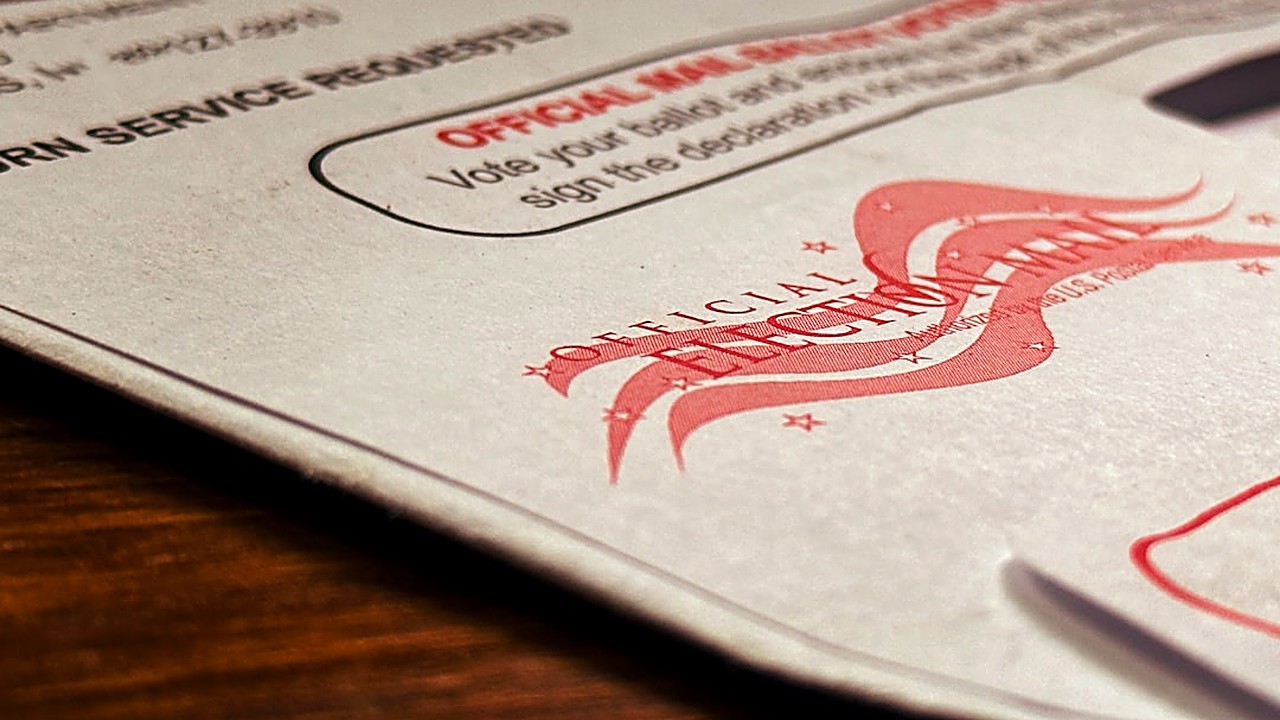 How to Compare Auto Insurance Quotes Without Getting Burned →
 Insurance Deductible Mistakes: 9 That Cost You Real Money →
| Coverage | Pays for | Who it protects |
|---|---|---|
| Bodily injury liability | Injuries to other people | Them, and your savings |
| Property damage liability | Their car or property | Them, and your savings |
| Collision | Your car after a crash | You |
| Comprehensive | Theft, hail, fire, animals, glass | You |
| Uninsured motorist | Your injuries when they have no coverage | You |
| Medical payments / PIP | Medical bills regardless of fault | You and your passengers |
| Rental reimbursement | A rental while yours is repaired | You |
Note the pattern: liability protects other people first and your savings second. Collision and comprehensive protect your car. They are different jobs and a cheap quote often cuts one of them.
How much deductible should you pick?
The honest answer is: the largest number you could pay tomorrow, in cash, without borrowing.
Raising a collision deductible from $500 to $1,000 lowers your premium. That is real money saved every month. But it only works out if the $1,000 actually exists somewhere you can reach it. If it does not, you have traded a small certain saving for a large uncertain problem.
A simple way to decide:
1. Look at what you have in savings right now.
2. Subtract what you would still need for rent, food and bills that month.
3. Whatever is left is the honest ceiling for your deductible.
If that number is small, pick the lower deductible even though the monthly price is higher.
Which discounts do insurers rarely bring up?
Ask about each of these by name, because many are not applied automatically:
- Multi-policy — renters or homeowners insurance with the same company
- Multi-car — two or more vehicles on one policy
- Paid in full — paying the whole term instead of monthly
- Automatic payment and paperless
- Defensive driving course — availability varies by state and age
- Good student — for a driver in school with qualifying grades
- Low mileage — if you drive much less than average
- Vehicle safety features — anti-theft systems, automatic emergency braking
- Affiliation — employer, alumni association, military service, professional group
Write the list down and read it out loud on the call. Make the agent answer yes or no to each one, then ask for an updated quote in writing.
Why can the cheapest quote cost more after a claim?
Three reasons that do not show up in the price:
The limits were lower. A crash with $25,000 of injury liability and $80,000 of hospital bills leaves a gap, and the gap is yours.
The deductible was higher. You save a few dollars a month and then pay $1,000 at the shop.
Claim service is slower. Price comparison sites do not show how long the company takes to pay or how it handles disputes. Before you sign, look up the insurer's complaint record with your state insurance department — most states publish it free — and read recent customer reviews about *claims*, not about sales.
What to check before you cancel your current policy
This is where people lose money by accident. Four rules:
1. Never cancel before the new policy is active. Even one uncovered day can raise your future prices and, in most states, driving without coverage is illegal.
2. Get the new policy start date in writing, then cancel the old one for that same date.
3. Ask about a refund for unused prepaid months. You are usually owed it.
4. Confirm your lender was notified if you finance or lease the car. They require proof of coverage and may buy expensive insurance on your behalf if they think you dropped it.
Insurance rules and required minimums differ by state, and the right limits depend on your income, savings and assets. For a decision this size, it is worth talking to a licensed agent or your state insurance department before you commit.
How often should you shop your policy again?
Once a year is a reasonable habit, and there are five moments when it is worth checking sooner:
- You moved. Rates are set partly by where the car sleeps at night, so even a move across town can change the price.
- Your car got older. Once a car's value drops low enough, paying for collision coverage on it may stop making sense. Compare the yearly cost of that coverage to what the car is actually worth.
- A ticket or accident dropped off your record. Most fall off after a few years, and the lower price does not always apply on its own.
- Your commute changed. Fewer miles driven can mean a lower rate, especially if you now work from home.
- A driver joined or left the household. Adding a teen raises the price sharply; removing a driver who moved out should lower it.
One warning: switching every few months to chase small savings can work against you, because some insurers offer loyalty credits that build over time. Compare on the numbers, not on the novelty.
Your next step this week
Pull out your current policy declarations page — the one-page summary, usually the first page. Write down those nine numbers from your own policy.
Then get three quotes using those exact same numbers, not the defaults each site suggests. Same limits, same deductibles, same term length. Only then compare prices.
That single hour turns a confusing pile of quotes into one honest comparison, and it is the only way to know whether the cheaper quote is really cheaper.
FAQ
Is the state minimum coverage enough?
State minimums are a legal floor, not a recommendation. In many states the minimum injury limit is far below the cost of a serious hospital stay, and anything above the limit becomes your responsibility. Compare the limit to your savings and income, and ask a licensed agent what is reasonable for your situation.
Should I raise my deductible to lower the monthly price?
Only up to an amount you could pay in cash tomorrow without borrowing. Raising a collision deductible from $500 to $1,000 does lower the premium, but you owe that larger amount at the repair shop. If the money is not already sitting in savings, keep the lower deductible.
Can I switch insurers in the middle of a policy term?
In most cases yes, and you are usually refunded for unused prepaid months. The key rule is to never cancel the old policy before the new one is active, since even a one-day gap can raise future prices. If your car is financed or leased, make sure the lender receives proof of the new coverage.
Clear money tips in your inbox. No hype.
Educational content, not personalized financial advice. Sources cited where applicable.