Car Totaled? How Adjusters Calculate Your Payout (ACV)

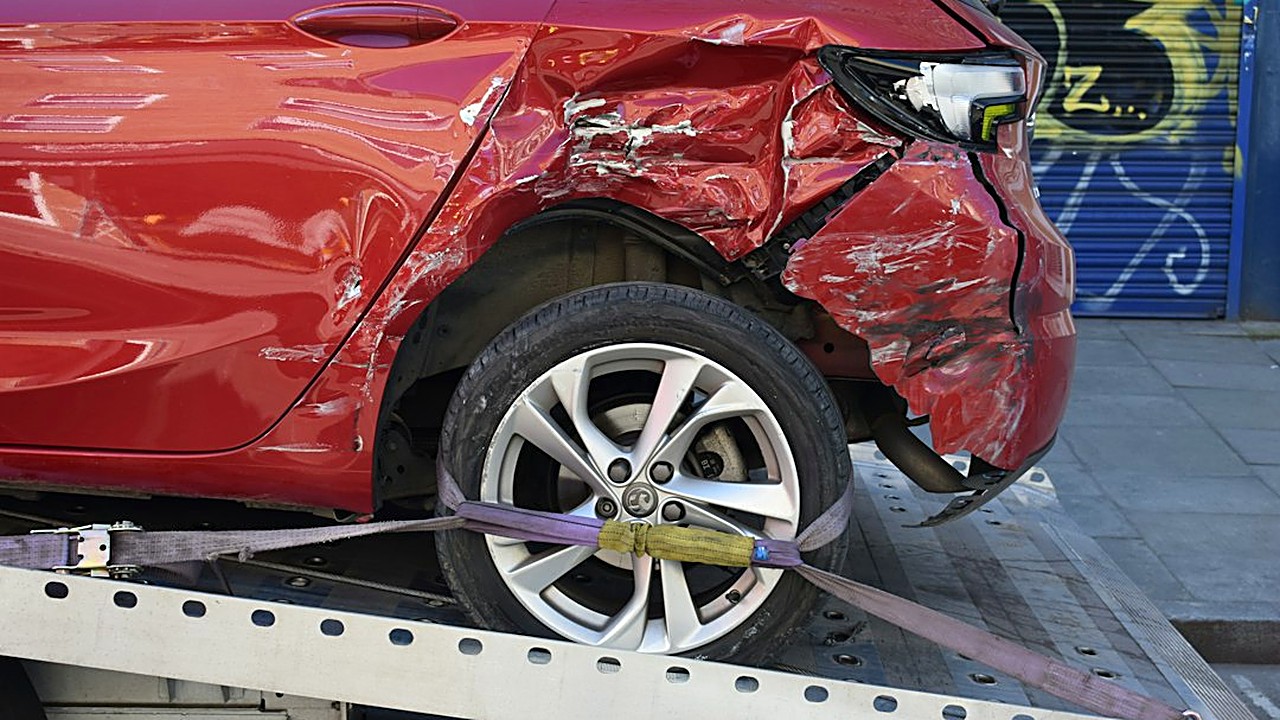
Quick answer: When a car is totaled, the adjuster pays its actual cash value (ACV): what a similar car in your area was worth right before the crash. They start from recent sales of comparable cars, adjust for mileage, condition and options, then subtract your deductible. You can challenge the number with your own comparable listings and records.↗ Share on X
When your car is declared a total loss, the claims adjuster pays you its actual cash value (ACV): the price a similar car, in similar condition, with similar miles, would have sold for in your local market right before the accident. To get that number, the adjuster pulls recent sales or listings of comparable cars, adjusts them up or down for mileage, condition, trim and options, adds or subtracts for prior damage, and then subtracts your deductible. If you have a loan, the lender is paid first. The good news: this number is an estimate, not a final verdict, and you can challenge it with evidence.
This article walks you through the math, the deductions that surprise people, and the exact steps to take if the offer feels low.
Note: insurance rules vary by state and by policy. This is general information, not legal or financial advice. For a large dispute, talk to your state insurance department, a licensed public adjuster, or an attorney.
When does an insurer declare a car "totaled"?
 Why a Higher Deductible Barely Lowers Your Car Insurance →
 Life Insurance Basics: Know Before Buying First Policy →
 Moving Abroad for Good? What Happens to Your Insurance →
A car is a total loss when fixing it does not make financial sense, or when it cannot be safely repaired. Insurers usually use one of two rules, depending on the state:
1. Total loss threshold. Some states set a percentage. If repair costs reach that percentage of the car's value, the car must be totaled. The exact percentage is set by each state.
2. Total loss formula. Other states let insurers compare: if repair cost plus the car's salvage value (what the wreck sells for at auction) is equal to or more than the car's ACV, it is totaled.
Older cars are totaled more often because their value is low. A $5,000 repair on a car worth $6,000 will usually push it over the line.
Clear money tips in your inbox. No hype.
What is actual cash value, exactly?
Affiliate link. We may earn a commission on purchases, at no extra cost to you.
This content is informational and is not investment advice or financial consulting.
Actual cash value is not:
- what you paid for the car,
- what you still owe on the loan,
- what a brand-new replacement costs.
ACV is the market value of your car, on the day before the loss. Think of it as: "If you had put your car up for sale yesterday, what would a buyer in your area have paid?"
Most large insurers use a third-party valuation report to estimate this. Companies such as CCC, Mitchell and Audatex produce these reports. You have the right to ask for a copy of the report used on your claim. Always ask for it.
How does the adjuster calculate the number, step by step?
 12 Hidden Things That Raise Your Car Insurance (Not Driving) →
 How Insurers Read Your Medical Records to Set Life Premiums →
 How Insurers Check Your Mileage for Low-Mileage Discounts →
Here is the typical process, in order:
1. Identify your car. Year, make, model, trim level, engine, and factory options, often decoded from your VIN (the 17-character vehicle identification number).
2. Find comparable vehicles ("comps"). The report pulls recent sales or dealer listings of the same or similar cars, usually within a set distance of your home.
3. Adjust each comp. If a comp has 20,000 fewer miles than your car, its price is adjusted down. If it lacks a sunroof your car had, its price is adjusted up.
4. Adjust for condition. The adjuster rates your car's condition before the crash: tires, interior, paint, prior dents. Each issue can lower the value.
5. Calculate the base value. The adjusted comps are averaged into one number.
6. Add or subtract extras. Recent new tires or aftermarket parts may add value if you can prove them. Old unrepaired damage reduces it.
7. Add taxes and fees, if your state requires it.
8. Subtract your deductible.
9. Pay the lender first if there is a loan, then pay you whatever is left.
A worked example (with made-up numbers)
The numbers below are an illustration only, to show how the pieces fit together. Your real numbers will be different.
| Line item | Amount |
|---|---|
| Average of adjusted comparable vehicles | $14,200 |
| Condition adjustment (worn seats, small dent) | − $450 |
| New tires installed 3 months ago (with receipt) | + $300 |
| Actual cash value | $14,050 |
| Sales tax and title fees (if your state requires) | + $980 |
| Your collision deductible | − $1,000 |
| Settlement amount | $14,030 |
| Remaining loan balance paid to lender | − $11,500 |
| Check to you | $2,530 |
Look at two things in this example. First, the condition adjustment and the tire credit moved the value by $750 combined, so details matter. Second, the deductible comes off even when the car is totaled.
Why do so many first offers feel low?
A low offer is not always a mistake, but it often comes from one of these problems in the valuation report:
- Wrong trim level. Your car was an EX-L with leather, but the report lists the base LX.
- Missing options. Navigation, towing package, upgraded wheels or safety packages left out.
- Bad comps. Cars from far away, cars with salvage titles, cars with much higher mileage, or dealer listings that are much older.
- Harsh condition rating. Your car is rated "fair" when it was clean and well kept.
- No credit for recent work. New tires, new brakes or a new battery that you paid for recently.
- Taxes and fees left out, in a state that requires them.
Each of these can be fixed if you bring proof.
How to challenge a low total loss offer: 7 steps
Do not cash the check or sign a release until you are satisfied. Once you accept, it is usually much harder to reopen the claim.
1. Request the valuation report in writing. Ask the adjuster by email for the full report, including the list of comparable vehicles.
2. Check every detail of your car. Compare the report's trim, options, mileage and condition against your own records and window sticker if you have it.
3. Gather your own comps. Search online listings and dealer sites for the same year, make, model and trim, with similar miles, within about the same distance used in the report. Save screenshots with the date, price and mileage of at least three to five cars.
4. Collect receipts. Tires, brakes, major repairs, and any accessories added in the last year or two.
5. Gather photos. Pictures of your car from before the crash help prove its condition.
6. Send a written counteroffer. List each error in the report, attach your comps and receipts, and state the value you believe is correct. Keep the tone calm and factual.
7. Escalate if needed. Ask for a supervisor review. Many policies also have an appraisal clause: you and the insurer each hire an appraiser, and an umpire settles any disagreement. Read your policy for the details and costs. You can also file a complaint with your state's department of insurance.
What about the things inside the car and the rental?
A total loss claim usually covers only the car itself. Other items work differently:
| Item | Usually covered by |
|---|---|
| The car (ACV) | Collision or comprehensive coverage, or the at-fault driver's liability |
| Laptop, phone, other personal items | Often homeowners or renters insurance, not auto |
| Rental car while you wait | Rental reimbursement coverage, if you bought it, or the at-fault driver's insurer |
| Loan balance above ACV | Gap insurance or loan/lease payoff coverage |
| Car seats | Some insurers replace them after a crash; ask |
If the other driver caused the accident, you can file with their insurer instead of your own. In that case you usually do not pay your deductible, though the process can take longer.
How long does a total loss settlement take?
There is no single answer. Simple claims can wrap up in a few weeks. Claims with disputes over value, fault, or missing documents take longer. Many states set deadlines for insurers to respond and pay, which you can find on your state insurance department's website.
To speed things up, have these ready:
- your title (or your lender's contact information),
- all keys and remotes,
- the car's registration,
- a payoff letter from your lender, if you have a loan,
- photos and receipts mentioned above.
When should you get professional help?
Handle it yourself if the gap between the offer and your research is small. Consider professional help if:
- the difference is several thousand dollars and the insurer will not budge,
- there were injuries in the accident,
- the insurer denies the claim or delays without explanation,
- you suspect bad faith (for example, refusing to share the valuation report).
Options include a licensed public adjuster (who works for you, usually for a percentage of the settlement), an independent appraiser for the appraisal clause, or an attorney. Your state's department of insurance can also answer questions for free.
Your next step
Before you agree to anything, email your adjuster today and ask for the complete valuation report, including the list of comparable vehicles. When it arrives, check the trim, options, and mileage line by line against your own records. If you find even one error, you already have the start of a written counteroffer.
FAQ
Can I keep my totaled car?
In many states you can, through an "owner-retained salvage" option. The insurer pays you the actual cash value minus the salvage value, and you keep the car. The car will usually need a salvage title, and rules for repairing and re-registering it depend on your state.
Does the payout include sales tax and title fees?
It depends on your state and your policy. Some states require insurers to include sales tax and fees for a replacement car in a total loss payout. Ask the adjuster in writing whether tax and fees are included, and check your state insurance department's website.
What if I owe more on my loan than the car is worth?
The insurer pays the lender first, based on actual cash value, not on what you owe. If the loan balance is higher, you are responsible for the difference unless you have gap insurance or loan/lease payoff coverage. Check your loan papers and policy for these coverages.
Clear money tips in your inbox. No hype.
Educational content, not personalized financial advice. Sources cited where applicable.