Emergency Fund Wiped Out? A 5-Step Plan to Rebuild It

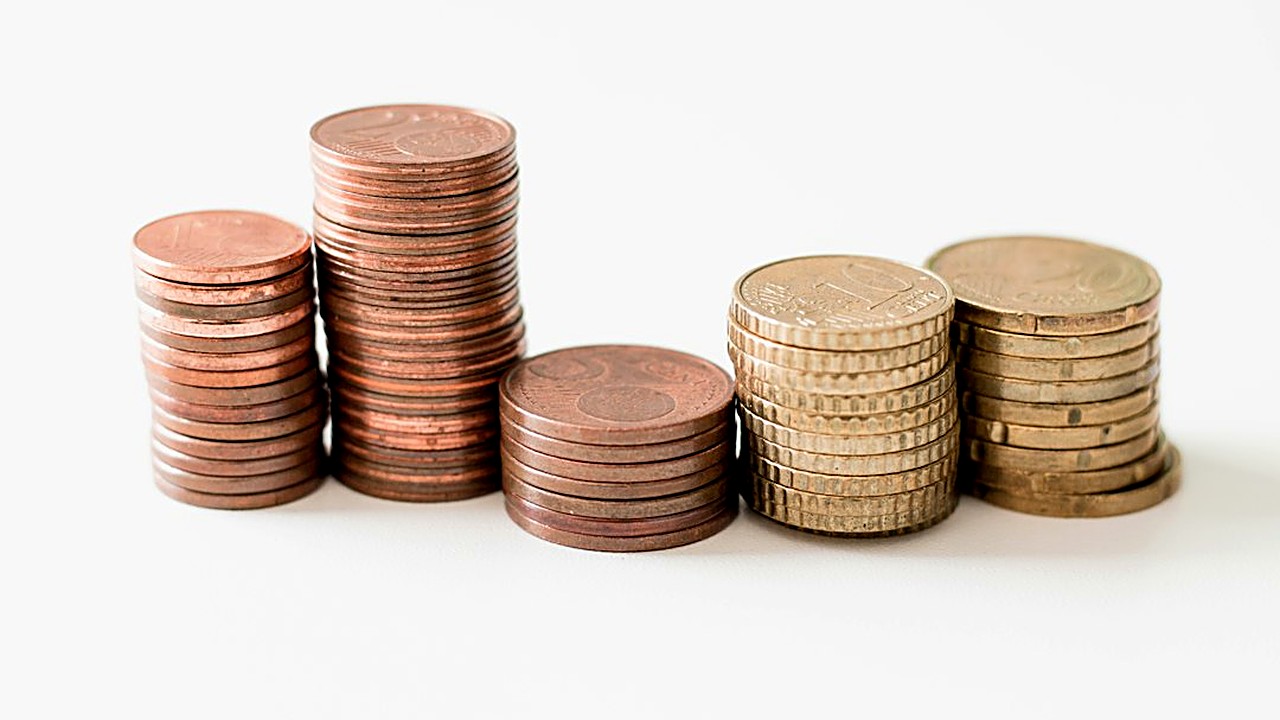
Quick answer: Start by stopping new debt and calling to lower the cost of any bills from the emergency. Then save a small first target of $500 to $1,000 with an automatic transfer on payday. After that, attack high-interest debt while still saving a little, and grow the fund toward three to six months of expenses.↗ Share on X
To rebuild your emergency fund after a big unexpected bill, do it in this order: first stop new debt from piling up, then set a small first target (one month of bare-bones expenses or even $500 to $1,000), then automate a fixed transfer on payday, and only after that push toward three to six months of expenses. Pay off any high-interest card balance from the emergency alongside a small savings deposit, so you are never back at zero. Most people rebuild faster by finding one or two specific cuts and one extra income source than by trying to "spend less on everything."
Below is a step-by-step plan you can start this week, with real numbers you can adjust to your own budget.
Why does rebuilding feel harder than saving the first time?
 Emergency Fund on Minimum Wage: Start With $5 a Paycheck →
 Your Real Hourly Pay After the Commute: A Simple Worksheet →
 Multiple Debts? Which Interest Rate to Pay Off First →
When the fund was first built, you probably had no extra bills from the emergency. Now you may be dealing with three things at once:
1. The fund is empty or low.
2. You may owe money on a credit card, a payment plan, or to family.
3. You feel exposed. If another surprise hits, there is nothing in the way.
That is why the plan below works in stages. Trying to do everything at once usually leads to giving up after a few weeks.
Clear money tips in your inbox. No hype.
Step 1: What should you do in the first week?
Affiliate link. We may earn a commission on purchases, at no extra cost to you.
This content is informational and is not investment advice or financial consulting.
Before saving a single dollar, get a clear picture.
1. Write down what the emergency really cost. Include the part you paid in cash and any part that went on a card or a payment plan.
2. List every debt that came from it, with the balance, the interest rate, and the minimum payment.
3. Call to lower the cost. For medical bills, ask the billing office about an itemized bill, a payment plan, or a financial assistance program. Many hospitals have one. For car or home repairs on a card, ask the card company if a lower rate or hardship program is available. The worst they can say is no.
4. Pause automatic extras for one or two months: unused subscriptions, extra streaming services, delivery memberships.
5. Keep making at least the minimum payment on every bill. A missed payment adds fees and can hurt your credit score.
Step 2: How big should your first target be?
 Zero-Based Envelope Budget for Bills That Change Every Month →
 Savings Rate for Two-Income Couples: The Simple Formula →
 Find Forgotten Subscriptions on Your Bank Statement Fast →
Forget the "six months of expenses" number for now. It is a good long-term goal, but it can feel impossible right after a hit. Start with a mini-fund.
Pick one of these first targets:
| Your situation | Suggested first target |
|---|---|
| Very tight budget, living paycheck to paycheck | $500 |
| Steady income, some room in the budget | $1,000 |
| Stable job and no high-interest debt left | One month of bare-bones expenses |
"Bare-bones expenses" means only what you must pay to keep going: rent or mortgage, utilities, basic groceries, insurance, transportation to work, and minimum debt payments. Not dining out, not shopping.
A small fund matters because most surprises are small: a flat tire, a co-pay, a broken phone. Covering those in cash keeps them off your credit card.
Step 3: Should you pay off the debt or save first?
This is the most common question, and the answer is: do both, in a set ratio.
Here is a simple approach many people use:
1. Until you reach your mini-fund target, put most of your extra money into savings and pay only the minimum on debts.
2. Once the mini-fund is in place, switch: put most of your extra money toward the highest-interest debt (usually a credit card) and keep a small automatic deposit going into savings.
3. When the high-interest debt is gone, send that same payment amount into savings to grow toward three to six months of expenses.
Why not just throw everything at the debt? Because if another surprise hits while your savings are at zero, it goes right back on the card. The mini-fund breaks that loop.
If your debt has a very high rate and you have a stable income, you might choose a smaller mini-fund and attack the debt sooner. If you are unsure which mix fits you, a nonprofit credit counselor (look for agencies affiliated with the National Foundation for Credit Counseling) can review your numbers, often at low or no cost.
Step 4: How do you automate it so it actually happens?
Willpower runs out. Automation does not.
1. Open a separate savings account, ideally a high-yield savings account at a bank or credit union with no monthly fee. Keeping it apart from checking makes it less tempting to spend.
2. Set an automatic transfer for payday, not the end of the month. Money moved on payday is money you do not see.
3. Start with an amount you will not cancel. $25 per paycheck that keeps going beats $200 that you stop after one month.
4. Raise it every time something ends: a debt is paid off, a subscription is cancelled, you get a raise.
5. Name the account something like "Car repair shield" or "Never again fund." It sounds silly, but a clear name makes it easier to leave alone.
Step 5: Where can the extra money come from?
Small cuts across everything rarely last. One or two bigger moves usually work better. Here are real places to look:
Cut or lower:
1. Car insurance and phone plan: compare quotes once. This often frees up money every month without changing your daily life.
2. Subscriptions: list them all from your bank statement. Keep the one or two you use most.
3. Groceries: plan meals for the week and shop with a list. Buy store brands for basics.
4. Interest: a lower card rate (Step 1) is money back in your pocket each month.
Bring in:
1. Sell what you do not use: furniture, tools, electronics, kids' gear.
2. Extra shifts or overtime, if your job offers it.
3. Short-term side work: pet sitting, yard work, delivery, tutoring, a seasonal job.
4. Windfalls: tax refunds, work bonuses, cash gifts. Decide in advance what share goes to the fund, for example half.
How long will it take? A sample plan
Here is an example to show how the stages fit together. Your numbers will be different.
Say your bare-bones expenses are $2,400 a month, the emergency left you with $1,800 on a credit card, and you can free up $300 a month.
| Stage | What you do | Monthly split | About how long |
|---|---|---|---|
| 1. Mini-fund | Save $1,000, pay card minimum | $250 savings + card minimum | About 4 months |
| 2. Kill the card | Pay off the $1,800 balance | $250 card + $50 savings | About 8 months, depending on interest |
| 3. Full fund | Grow to 3 months ($7,200) | $300 savings | Keeps going from there |
Notice that the full fund takes time. That is normal. The goal of the first year is to get out of the danger zone: cash for small surprises and no high-interest debt.
What if you have to use the fund again before it is rebuilt?
It happens. That is what the fund is for.
1. Use it without guilt for real emergencies: health, housing, job loss, transportation to work.
2. Do not use it for planned costs like holidays, annual fees, or back-to-school. Start a small separate "known expenses" account for those, so they stop feeling like emergencies.
3. Restart the automatic transfer right away. Even a smaller amount keeps the habit alive.
When should you get professional help?
Talk to a professional if:
- your minimum payments are more than you can cover each month;
- you are thinking about borrowing from a retirement account to pay bills;
- collectors are calling, or you have received legal papers about a debt;
- medical bills are large and you do not understand what you owe.
A nonprofit credit counselor, a bank or credit union advisor, or a hospital financial counselor can help with these. This article is general information, not advice for your specific situation.
Your next step today
Open your bank app and do three things in the next 15 minutes:
1. Open a separate savings account if you do not have one.
2. Pick your mini-fund target: $500, $1,000, or one month of bare-bones expenses.
3. Set an automatic transfer for your next payday, even if it is only $25.
Then write down the one bill you will call about this week to ask for a lower rate or a payment plan. Those two moves start the rebuild before the month is over.
FAQ
Should I pay off debt or rebuild my emergency fund first?
Do both in stages. Build a small mini-fund first while paying minimums, then focus extra money on high-interest debt while keeping a small automatic savings deposit.
How much should my first savings target be?
Many people start with $500 to $1,000, or one month of bare-bones expenses. Small targets cover the most common surprises and keep them off your credit card.
When should I talk to a professional about my finances?
If you cannot cover minimum payments, are considering a retirement account withdrawal, or are dealing with collectors or large medical bills, talk to a nonprofit credit counselor or a bank advisor.
Clear money tips in your inbox. No hype.
Educational content, not personalized financial advice. Sources cited where applicable.