How Insurers Check Your Annual Mileage (and What to Do)

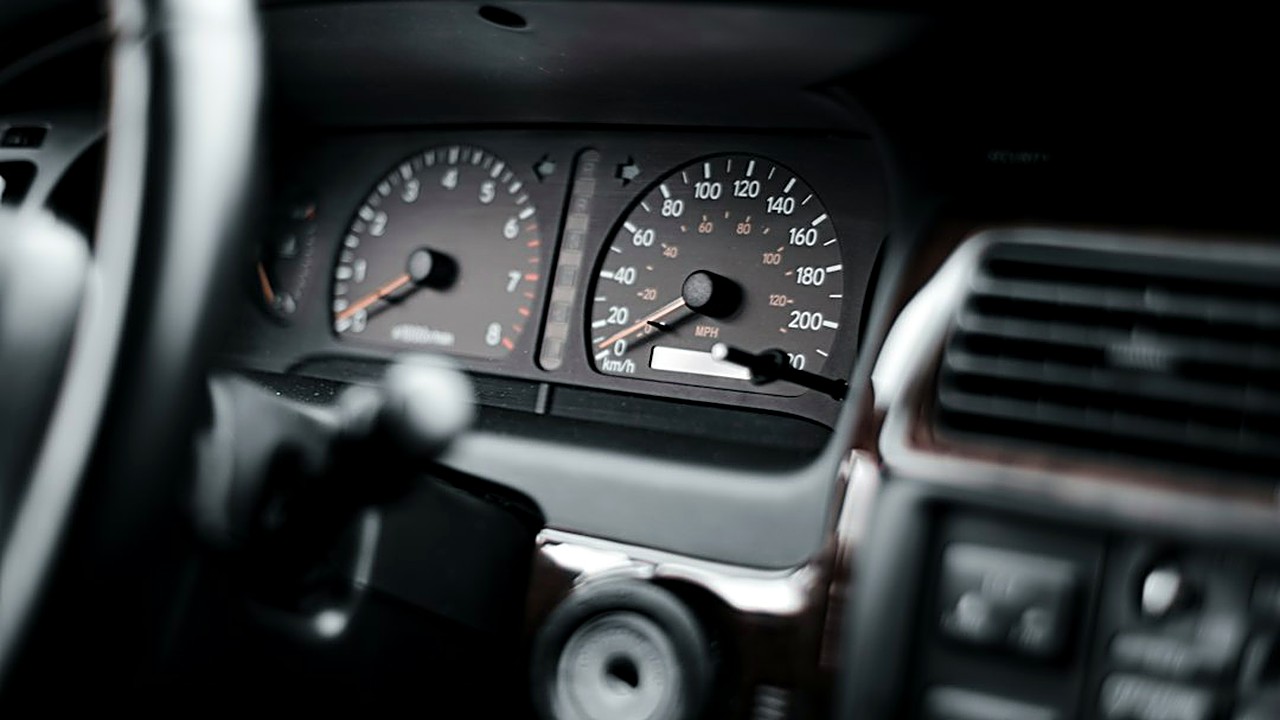
Quick answer: Insurers and claims adjusters can compare the mileage you reported with odometer readings from your claim, repair shop and inspection records, vehicle history reports, and any telematics app or device you use. If the numbers are far apart, they may adjust your premium and, in some cases, question the claim. Report an honest estimate and update it when your driving changes.↗ Share on X
Insurance companies check your reported annual mileage mainly by comparing it with odometer readings recorded somewhere else: photos or readings you give at renewal, the number an adjuster writes down during a claim, repair shop and oil change records, state inspection records, vehicle history reports, and data from any driving app or plug-in device you use. If your real miles are far above what you reported, the insurer can raise your premium. In more serious cases, a big gap can lead to questions about your claim. The safe move is simple: report an honest estimate and update it when your life changes.
This article explains where those odometer numbers come from, what usually happens when they don't match, and how to report your mileage the right way. Rules change by state and by company, so for your exact policy, talk to your agent or a licensed insurance professional.
Why does your mileage change your premium?
 Car Totaled? How Adjusters Calculate Your Payout (ACV) →
 Why a Higher Deductible Barely Lowers Your Car Insurance →
 Life Insurance Basics: Know Before Buying First Policy →
The more you drive, the more time your car spends on the road, and the more chances there are for an accident. That's why most insurers ask how many miles you drive per year and use it as one of the factors in your price.
Mileage is usually one factor among many, such as your driving record, where you live, your car, and your coverage choices. How much it moves your price depends on the company. Some insurers give a bigger discount for low mileage than others. That's one reason it pays to compare quotes.
Clear money tips in your inbox. No hype.
Where does an insurer get your real mileage?
Affiliate link. We may earn a commission on purchases, at no extra cost to you.
This content is informational and is not investment advice or financial consulting.
There isn't one single database with your exact miles. Instead, odometer readings get recorded in many small places over the life of a car. Here are the most common:
| Source | When the reading is recorded | Who usually sees it |
|---|---|---|
| Your claim | When an adjuster inspects the car or asks for a photo | The adjuster handling your claim |
| Renewal or policy start | Some insurers ask for an odometer photo or reading | Underwriting |
| Repair shops | On the repair order after a claim | Adjuster, through the estimate |
| Oil changes and service | On receipts and service records | Can appear in vehicle history reports |
| State inspections and emissions tests | At each inspection, where required | State records, history reports |
| Vehicle history reports | Collected from many of the sources above | Insurers, buyers, dealers |
| Title transfers and sales | When the car is sold or retitled | State records, history reports |
| Telematics app or device | Continuously, if you enrolled | The insurer that runs the program |
What does a claims adjuster actually do?
When you file a claim, the adjuster is there to figure out what happened and what the policy covers. Part of that is documenting the car. In most inspections, that includes the odometer reading, because it affects the car's value and is part of a normal damage estimate.
If the reading at the claim is much higher than what your policy history suggests, the adjuster may look at older records to see how many miles you drove per year. For example, if a service record from last year and the reading today are far apart, it's easy to estimate your yearly miles.
What about telematics and driving apps?
Telematics means a small device in your car or an app on your phone that records how you drive. Usage-based and pay-per-mile programs use it. If you signed up, the insurer receives your miles directly, so there isn't much to "verify" — the data is already there. Many newer cars also have connected services that can share driving data, but usually only if you opted in. Check your car's app settings and your insurer's program terms to see what is shared.
What happens if the numbers don't match?
 Moving Abroad for Good? What Happens to Your Insurance →
 12 Hidden Things That Raise Your Car Insurance (Not Driving) →
 How Insurers Read Your Medical Records to Set Life Premiums →
It depends on how big the gap is, why it happened, your state's rules, and your policy wording. In general, these are the possible outcomes, from most common to most serious:
1. Your premium is recalculated. The insurer updates your mileage and charges the correct rate from now on. Sometimes they may bill the difference for the current term.
2. You lose a low-mileage discount. If you got a discount for driving few miles, it can be removed.
3. Your claim gets extra review. A big mismatch can slow the claim while the insurer asks questions.
4. Claim or policy problems. If an insurer believes information was knowingly misrepresented, some policies and state laws allow it to deny a claim, cancel the policy, or refuse to renew. This is the serious end, and it usually involves a large gap that wasn't explained.
An honest mistake you correct yourself is very different from a number someone chose to hide. If you think your reported mileage was wrong, the best time to fix it is before you need to file a claim.
If you are already in a dispute with an insurer about mileage or a denied claim, talk to a licensed insurance agent, your state's department of insurance, or an attorney. Don't try to guess your way through it.
How do you estimate your annual mileage correctly?
Most people guess. A better way takes about ten minutes:
1. Find two odometer readings with dates. Look at old oil change stickers, service receipts, inspection reports, or photos on your phone. Your car's app may show it too.
2. Subtract the old reading from the new one. That's the miles driven between the two dates.
3. Divide by the number of months between them. That gives miles per month.
4. Multiply by 12. That's your yearly estimate.
5. Adjust for changes coming up. New job farther away? Started working from home? Planning a long road trip? Add or subtract.
Example: Your oil change sticker from 8 months ago says 41,200 miles. Today your odometer says 47,600. That's 6,400 miles in 8 months, or 800 miles per month. Times 12 equals about 9,600 miles per year.
You can also do it from your routine. Multiply your round-trip commute by the days you drive to work, then add errands, school runs, and trips. It's less exact, but better than a random guess.
When should you update your mileage with your insurer?
Call your agent or update your account online when:
- You change jobs or your commute gets longer or shorter.
- You start or stop working from home.
- You move to a new address.
- You add a driver to the car, like a teenager.
- You start using the car for rideshare or delivery work. This one matters a lot: many personal auto policies don't cover driving for work apps, and you may need a special add-on.
- You retire or your driving drops a lot.
Updating can lower your premium, not only raise it. If you drive much less than before, you may be paying for miles you no longer drive.
How can you keep your own mileage records?
Good records protect you if questions ever come up:
- Take a photo of your odometer on the first day of each policy term. Your phone saves the date.
- Keep service and oil change receipts in a folder or scan them.
- Write down the reading when you file a claim or after an accident.
- Save the odometer photo if your insurer asks for one at renewal.
These records let you show your real driving pattern quickly and calmly.
Is a low-mileage or pay-per-mile policy right for you?
If you drive much less than most people, a usage-based policy might cost less. Before switching, compare:
| Question to ask | Why it matters |
|---|---|
| Is there a base fee plus a per-mile rate? | Long trips can add up fast |
| Does the app track how I drive, or only how far? | Hard braking or night driving may change the price |
| Can the price go up based on the data? | Some programs only give discounts, others can raise rates |
| What happens to my data? | Read the privacy terms |
| Is there a cap on daily miles charged? | Helps if you take an occasional road trip |
Get a quote for both a regular policy and a usage-based one, then compare the total yearly cost.
Your next step
Today, take a photo of your odometer and find one older reading on a service receipt or oil change sticker. Use the five steps above to calculate your real yearly miles. Then log in to your insurance account or call your agent, check the mileage they have on file, and update it if it's off. If you drive much less than you thought, ask for a quote with the new number or for a low-mileage program.
FAQ
Can my insurer see my odometer without asking me?
Not directly from your car unless you use a telematics device or app, or a connected-car program you agreed to. But odometer readings show up in many records, like repair orders, state inspections, oil change receipts and vehicle history reports, and an adjuster will usually note the reading during a claim.
What happens if I underestimated my mileage by accident?
Call your agent or insurer and update the number. Usually the premium is recalculated going forward. Fixing it before a claim is much better than having the gap found during one. Ask your insurer exactly how they handle corrections.
Is it worth switching to a low-mileage or pay-per-mile policy?
It can be if you drive much less than average, for example if you work from home. Get quotes for both a regular and a usage-based policy, read how the tracking works, and compare the yearly total, not just the monthly price.
Clear money tips in your inbox. No hype.
Educational content, not personalized financial advice. Sources cited where applicable.