How to Build an Emergency Fund on an Empty Paycheck

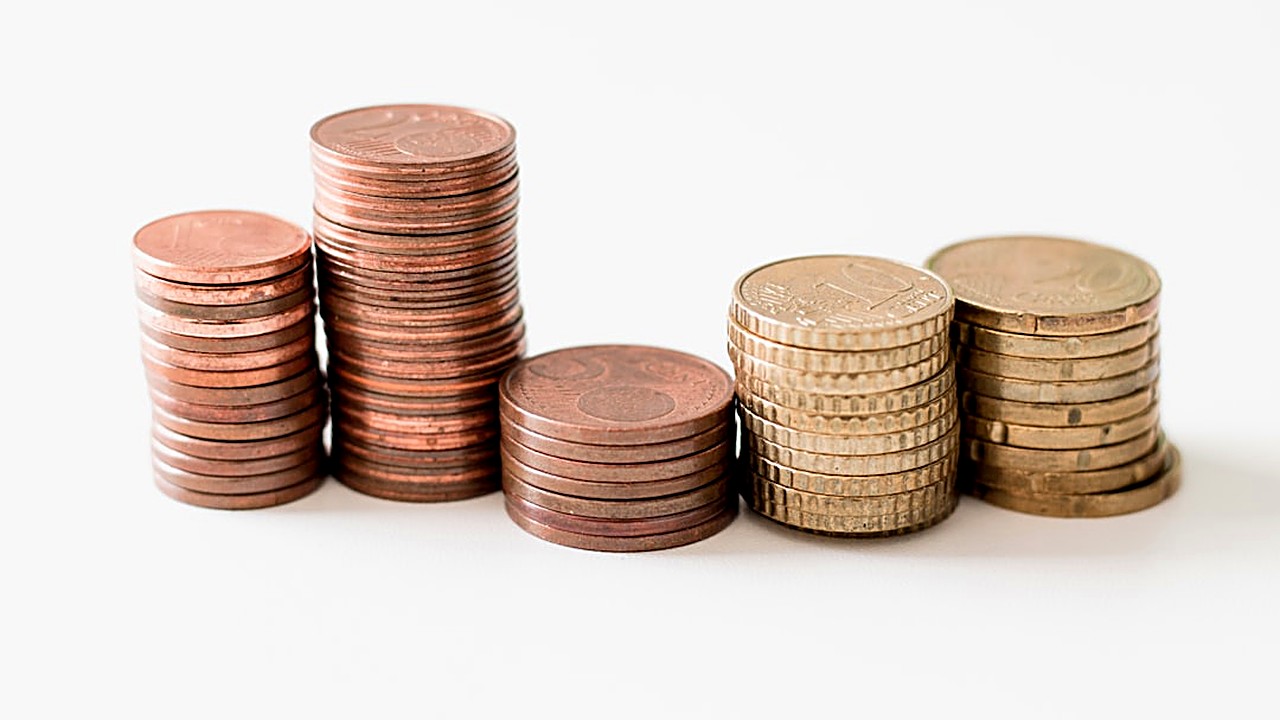
Quick answer: Do not aim at three months of expenses yet. Start with a starter fund of 300 to 500 dollars, moved automatically out of checking on payday into a separate bank with no debit card. Then fix the calendar by asking billers to change your due dates so payments do not all land in the first week, and run a two-week cap on one spending category to find the leak.↗ Share on X
If your paycheck runs out before the month does, do not start by trying to save a large emergency fund. Start with a starter fund of one small, fixed amount and get it out of your checking account on payday, before the money can disappear. Twenty dollars a week works. So does ten. The purpose of the first few hundred dollars is not to cover a job loss; it is to stop the cycle where every unexpected expense becomes new debt. Once that starter fund exists, you widen the gap between what comes in and what goes out, and only then do you build toward a bigger cushion.
The order matters. People who try to save three months of expenses while they are still running short mid-month almost always fail, refund the savings account back into checking, and conclude that they are bad with money. They are not. The plan was in the wrong order.
Why does the money disappear in the middle of the month?
 Is Saving Money Worth It? The Real Cost of Keeping Cash →
 9 Money-Saving Myths That Keep Your Savings Account Empty →
 Split Household Bills Fairly Without a Joint Bank Account →
Before you can fix it, you need to see it. There is usually one of four causes, and they need different responses:
1. Timing, not amount. You get paid on the 1st, but rent, insurance and subscriptions all land in the first ten days. By the 15th you are living on what survived. The total is fine; the calendar is not.
2. A slow leak. Small purchases with no single culprit. Food delivery, convenience runs, app charges. Individually invisible, collectively the whole gap.
3. Genuinely not enough income. Fixed costs are simply larger than what you earn. No budgeting technique fixes this, and pretending otherwise wastes months.
4. Debt payments crowding everything out. Minimum payments on high-interest balances eat the room you would otherwise have.
Find yours before you do anything else. Open your bank app, sort last month's transactions, and add up three categories: fixed bills, food in all its forms, and everything else. Do it for one month only. Three months of forensic accounting is how this project dies.
Clear money tips in your inbox. No hype.
Step 1: Build a starter fund, not an emergency fund
Affiliate link. We may earn a commission on purchases, at no extra cost to you.
This content is informational and is not investment advice or financial consulting.
Set the first target at one month of your smallest recurring bill, or a flat 300 dollars, whichever feels reachable. Small enough to actually hit, big enough to absorb a tire, a copay, or a phone screen.
Rules that make it stick:
- Separate bank, not a separate "goal" inside checking. An online savings account at a different institution, with no debit card attached. Friction is the feature. If it takes two days to transfer, you will not spend it on a Friday impulse.
- Automatic transfer on payday, scheduled for the same day the deposit lands, not a day later.
- Small enough to survive a bad month. If the transfer fails or you have to skip one, the amount was too big.
- Name the account. "Car repair," "Do not touch," anything. Named money is meaningfully harder to spend than unnamed money.
Step 2: Fix the calendar problem
 7 Common Money Mistakes That Quietly Drain Your Paycheck →
 The First 30 Days: Rebuilding a Budget After a Big Loss →
 High-Yield Savings: Keep Your Emergency Fund Protected →
This is the highest-return move for most people and it costs nothing. If the trouble is that everything hits at once, move the bills, not the money.
Call each biller and ask to change your due date. Utilities, phone carriers, insurers and most credit card issuers will move a due date on request; many let you do it in the app without speaking to anyone. Spread your obligations so roughly half land after each paycheck.
| If you are paid | Put these bills here | Put these here |
|---|---|---|
| Twice a month | Rent or mortgage, insurance, on the first check | Utilities, phone, subscriptions, on the second |
| Every two weeks | Largest fixed bill on the first check of the month | Everything else on the following check |
| Monthly | Fixed bills in week one | Set aside week three and four spending on payday |
| Irregular or freelance | Nothing scheduled; pay bills from a separate float | Move a fixed "salary" to checking weekly |
That last row is the one freelancers need. Do not spend from the account clients pay into. Let deposits land there, then transfer yourself a fixed weekly amount. Your income becomes irregular in one account and regular in the other.
Step 3: Close the leak with a two-week test
Do not build a full budget. Run a two-week experiment instead.
Pick the one category that surprised you when you sorted last month's transactions. Just one. Set a specific weekly cap on it, in dollars, and take that amount out in cash or move it to a separate card. When it is gone, it is gone until the next week.
Two weeks is short enough to finish and long enough to show you something real. At the end, you will know whether that category was actually the problem. If it was, keep the cap. If it was not, run the test again on the next category. This works because it changes one thing at a time, which is also why elaborate budgets fail: they change forty things at once.
Step 4: Find money that is already yours
Before cutting anything you enjoy, check these. They are quiet and they add up:
- Subscriptions you forgot. Scan twelve months of statements for anything charged monthly. Most people find at least one they no longer use.
- Insurance you have not re-shopped. Auto and renters premiums drift upward. Getting two fresh quotes takes about thirty minutes.
- Phone plan. Carriers introduce cheaper plans and quietly leave existing customers on the old one. Ask what is available now.
- Tax withholding. If you get a large refund every year, you are lending money to the government interest free all year. Adjusting your W-4 puts that money in your monthly paycheck instead, which is where you need it.
- Employer benefits. Many workplaces have programs almost nobody claims: transit benefits, hardship funds, discounted services.
- Bank fees. Overdraft and maintenance fees are pure loss. Switching to an account without them is often the single largest saving available to someone living paycheck to paycheck.
How big should the fund eventually be?
The common advice is three to six months of expenses, and that is a reasonable long-term target. But treat it as a staircase, not a leap:
1. Starter: enough for one ordinary emergency. Roughly 300 to 500 dollars.
2. One month of essential expenses. Rent, food, utilities, transport, minimums. Not your whole lifestyle.
3. Three months of essential expenses.
4. Six months, if your income is unstable, you are self-employed, you support others alone, or your industry is prone to layoffs.
Aim at the next step only. Someone earning modestly can reach step one in a couple of months, and reaching step one changes how the following months feel more than any other single financial move.
When the numbers genuinely do not work
Sometimes the honest answer is that there is nothing left to cut. If your essential fixed costs exceed your income, the fix is on the income side or in restructuring the debt, not in the grocery budget.
Reach out for real help if any of these apply: you are using credit cards or short-term loans to cover food or rent, you are behind on housing or utilities, debt collectors are calling, or you are choosing between medication and bills. A nonprofit credit counseling agency can review your full situation at no cost or low cost and may be able to negotiate payment plans; look for one accredited by a recognized national association rather than any service that charges a large fee up front. Local nonprofits and government programs also run utility assistance and food support that many eligible people never apply for. Asking early gives you far more options than asking after an account goes to collections.
Your next step
Today, do exactly one thing: open a savings account at a bank that is not your current bank, and schedule an automatic transfer for your next payday. Pick an amount small enough that you are confident it will clear. Ten dollars is a real answer. Then leave it alone for one month and watch it happen without your involvement. Once you see that the transfer survives a normal month, raise it. That single automated line is the whole system; everything else in this article is just making room for it to grow.
FAQ
How much should I save if money is very tight right now?
Pick an amount small enough that the transfer will clear even in a bad month. Ten or twenty dollars a week is a real answer, not a placeholder. The point of the first few hundred dollars is to stop small emergencies from turning into new debt, and a transfer that survives every month beats a larger one you have to cancel.
Should I pay off debt or build savings first?
For most people the answer is a small starter fund first, then aggressive debt payoff, because without any cushion the next unexpected expense goes straight back onto the card and the balance never falls. If you are carrying high-interest debt and are behind on payments, speak to a nonprofit credit counseling agency before deciding the order.
Where should I keep the emergency fund?
In a savings account at a different bank from your checking, with no debit card attached, so it takes a day or two to reach. That delay is the point. Do not put emergency money in stocks or index funds; it needs to hold its value on the day you need it, not grow over ten years.
Clear money tips in your inbox. No hype.
Educational content, not personalized financial advice. Sources cited where applicable.